
- It's low enough to slide under the table and between chair legs.
- Chairs are tucked in or pushed out in a consistent way, so the robot doesn't get trapped.
- The rug is low-pile with flat edges, or the robot cleans hard floors around it.
- It runs after meals, when crumbs are fresh and dry.
- Cords and pet bowls are kept out of its path.
The dining room collects more crumbs than almost any other room: bread crumbs, rice, cereal, cookie bits, pet food and whatever the kids drop. Vacuuming around and under the table every day is tedious, and a quick sweep often misses what's under the chairs. A robot vacuum can take over that daily job, but dining rooms have their own challenges: chair legs that form a maze, tablecloths, rugs under the table and sometimes a buffet with low clearance. This guide explains what to look for in a robot vacuum for the dining room, how to set up the room, when to run it, how to handle rugs and chairs and how to keep the robot working well.
In this guide:
- why robots suit dining rooms
- features that matter
- chairs, table legs and rugs
- when to run it
- setting up the room
- maintenance
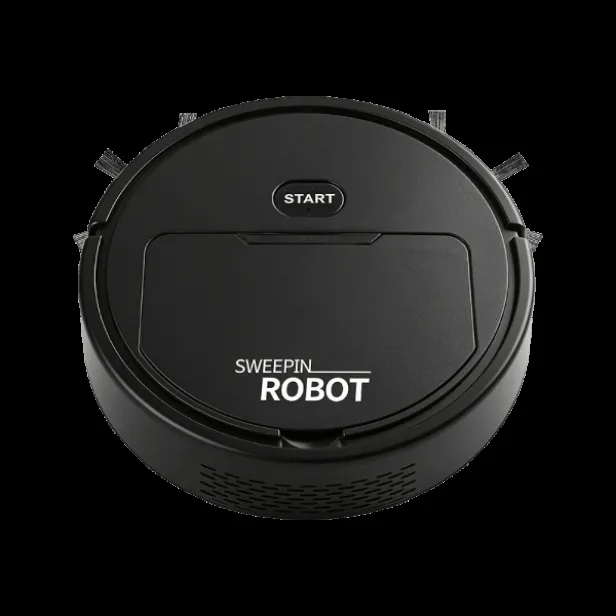
Our pick: the DustaPro Robot Vacuum
One-button robot vacuum: no app, no WiFi. 2.8 in tall to fit under furniture, quiet (60 dB or less), USB charging.
Check today's price →$69.99, or from $49.99 each in bundles
Why is a robot vacuum good for the dining room?
- crumbs fall every day, so daily cleaning makes a big difference
- the area under the table is awkward to vacuum by hand
- crumbs attract ants and other pests if left
- pets track food from the dining area around the house
- it saves you from sweeping after every meal
Which features matter most?
| Feature | Why it matters in a dining room |
|---|---|
| Low height | Fits under buffets and between chair rails |
| Compact size | Navigates between chair legs |
| Side brushes | Sweep crumbs from table and chair legs |
| Bumpers and sensors | Gentle on furniture and legs |
| Good on hard floors and low rugs | Dining rooms often have both |
| Easy-empty bin | Crumbs fill it quickly |
| Quiet operation | Can run after dinner while you relax |
How do you handle chairs and table legs?
- Push chairs in so the robot cleans around the room and under the table edge, or
- Pull chairs out or put them on the table for a weekly deep clean under the table
- Avoid chairs with low crossbars where the robot can get stuck, or block those spots
- Watch the first few runs to find trap spots
See why robot vacuums get stuck.
Our pick: the DustaPro Robot Vacuum
One-button robot vacuum: no app, no WiFi. 2.8 in tall to fit under furniture, quiet (60 dB or less), USB charging.
Check today's price →$69.99, or from $49.99 each in bundles
What about the rug under the table?
Many dining rooms have a rug under the table to protect the floor. Low-pile rugs with flat, bound edges are easiest for robots. Thick or shaggy rugs, fringe and curled corners can stop them. Tape down curled corners and tuck fringe under. If your rug is thick, let the robot clean the hard floor around it and vacuum the rug by hand weekly. See robot vacuums for rugs.
When should you run it?
- After dinner, when crumbs are fresh and dry
- After breakfast if the family eats there in the morning
- While you're out, so noise isn't an issue
Wipe up wet spills before running the robot; vacuums aren't made for liquids or sticky messes. See a robot vacuum cleaning schedule.
How do you set up the room?
- pick up napkins, toys and anything dropped
- move pet bowls onto a mat or raised stand
- tuck cords from lamps or a buffet out of the way
- lift long tablecloths so they don't drag on the floor
- check thresholds into the kitchen and living room
See can a robot vacuum go over thresholds?
Should the robot clean the kitchen too?
Yes, if the dining area connects to the kitchen. Kitchens collect similar crumbs and spills. Run the robot through both after meals, wiping up anything wet first. See robot vacuums for the kitchen.
What about pets?
Pets under the dining table drop hair and food. A robot that runs daily keeps hair from building up. Clean its brushes often, since hair wraps around them. See robot vacuums for pet hair.
What about holiday meals?
Big family dinners mean more crumbs and more chairs. After guests leave, run the robot once, empty the bin and run it again. For sticky spots and spills, wipe first. See how to clean after a holiday party.
How do you maintain the robot?
- empty the bin after each run, especially after meals
- remove hair and threads from the brushes weekly
- wipe the sensors and wheels
- replace filters and brushes as recommended
Where does DustaPro fit in?
DustaPro is a simple, one-button robot vacuum with no app or WiFi. At 2.8 inches tall it slides under many buffets and between chair rails, runs at 60 dB or less and cleans for about 25 minutes per charge, which suits a daily after-dinner run in a dining room. It's designed for daily pickup of crumbs and dust on hard floors and low-pile rugs, not deep carpet cleaning. It's $69.99, or from $49.99 each in bundles. Read our DustaPro review.
Do crumbs really attract pests?
Yes. Crumbs and food bits under the dining table can attract ants, cockroaches and mice, especially in older homes and apartments. Daily cleaning removes the food source before pests find it. The EPA explains that removing food and water sources is a key step in integrated pest management, which reduces the need for pesticides. A robot that runs after meals makes that easy.
Which dining room floors suit robots best?
| Floor | Notes |
|---|---|
| Hardwood and laminate | Ideal; robots glide easily and pick up crumbs well |
| Tile | Works well; grout lines can hold fine crumbs |
| Vinyl | Easy to clean; wipe sticky spots first |
| Low-pile rug | Good with flat edges |
| High-pile or shag rug | Hard for most robots; vacuum by hand |
See robot vacuums for hardwood floors and robot vacuums for tile floors.
Do chair glides matter?
Felt glides on chair legs protect floors from scratches when chairs are pulled in and out. They also help a robot nudge past a chair leg without leaving marks. Replace worn glides, which can collect grit and scratch wood floors.
What about small dining areas and breakfast nooks?
Small dining areas with built-in benches or pedestal tables are often easier for robots than big tables with many chairs. Pedestal tables have just one base to go around. Make sure the robot can fit under benches, or block off the gap so it doesn't get stuck.
Do you still need to vacuum by hand?
Occasionally. A robot handles daily crumbs, but a weekly pass with a handheld or upright vacuum gets corners, chair seats and the edges of rugs. See how often you should vacuum.
Does a robot help with dust too?
Yes. Dining rooms collect dust on the floor and under the buffet, not just crumbs. Daily runs keep dust from building up and being kicked into the air. Pair it with weekly dusting of the table, chairs and sideboard. The American College of Allergy, Asthma and Immunology explains how dust allergies work and why regular floor cleaning helps. See how to reduce dust in the house.
Will it disturb dinner conversations?
Quiet robots at around 60 dB sound like a normal conversation, so many people run them right after dinner while clearing up. If you prefer quiet, run it while you're out or after everyone leaves the room. See quiet robot vacuums.
What about under the buffet or sideboard?
Buffets and sideboards often have low clearance, and dust bunnies collect underneath. Measure the gap and compare it with the robot's height. A slim robot can clean underneath regularly; otherwise, use a handheld with a long nozzle every couple of weeks. See robot vacuums for low furniture.
How do you manage crumbs with young kids?
High chairs and young eaters drop a lot. Put a washable mat under the high chair, shake it outside after meals and let the robot clean the rest of the floor. Pick up larger food pieces by hand first so the robot's bin doesn't fill too quickly.
How often should it run?
Once a day after the main meal is enough for most homes. Busy families with kids or pets may run it after breakfast and dinner.
Do tablecloths cause problems?
Long tablecloths that touch the floor can confuse a robot's sensors or get pulled. Fold them up or use shorter tablecloths and runners on days the robot runs. Placemats avoid the issue entirely.
Does lighting matter for robots?
Simple robots that navigate by bumping don't need light, but dark rugs can sometimes confuse cliff sensors. Watch the first few runs if your dining rug is very dark.
Is battery life enough for a dining room?
Yes. A dining room is a small space, so a robot with about 25 minutes of run time can clean it and the adjoining kitchen on one charge.
The bottom line
A robot vacuum for the dining room:
- should be low and compact to navigate under the table and chairs
- works best on hard floors and low-pile rugs with flat edges
- runs best after meals, with spills wiped up first
- needs a little setup: chairs, cords and pet bowls
- should be emptied and cleaned often in busy homes
DustaPro is a one-button robot vacuum, 2.8 inches tall and 60 dB or less, $69.99 or from $49.99 each in bundles.
Our pick: the DustaPro Robot Vacuum
One-button robot vacuum: no app, no WiFi. 2.8 in tall to fit under furniture, quiet (60 dB or less), USB charging.
Check today's price →$69.99, or from $49.99 each in bundles
Frequently asked questions
Can a robot vacuum clean under a dining table?
Yes, if it's compact enough to move between chair legs. Tucking chairs in or putting them on the table helps.
When should I run a robot vacuum in the dining room?
After meals, when crumbs are fresh and dry. Wipe up wet spills first.
Can robot vacuums handle a rug under the table?
Low-pile rugs with flat edges are easiest. Thick or fringed rugs can stop many robots.
Why does my robot vacuum get stuck under chairs?
Low crossbars and tight leg spacing can trap it. Block those spots or rearrange chairs.
Do robot vacuums pick up food crumbs?
Yes, dry crumbs and debris. They're not made for liquids or sticky messes.
How often should I empty the bin after meals?
After each run, since crumbs fill the bin quickly.

Michelle Hert
Michelle looks into the cleaning products that go viral in ads, from toilet foams to mini vacuums and drain cleaners. She reads the product pages, checkout and return policies, trusted safety sources and buyer feedback so you know what a product really does before you buy it. Her reviews are built on manufacturer information, official checkout and return policies, trusted safety sources and buyer feedback, and are updated when offers change. More about Michelle.