
- Remove standing water with a cup or bucket.
- Pull out visible debris from the drain: lint, hair, sand or paint flakes. Use gloves.
- Flush with very hot (not boiling) water and a little dish soap to loosen soap scum and lint.
- Plunge with a cup plunger, covering the overflow if there is one.
- Use a foaming drain cleaner made for household drains, following the label.
- Clean the P-trap under the sink if it's still slow.
- Use a drain snake or call a plumber for deeper clogs.
Laundry sinks, also called utility sinks or wash tubs, take a beating. Washing machines often drain straight into them, carrying lint, fabric fibers, soap residue and pet hair. They're also where people rinse muddy boots, paint brushes, mop heads and garden tools. All of that goes down a drain that rarely gets cleaned, so it's no surprise laundry sinks clog. A slow or backed-up laundry sink can overflow during a wash cycle and flood the laundry room. This guide explains why laundry sinks clog, how to unclog one step by step, which methods to try first, how to clean the P-trap, how to stop the washer from clogging the sink, what never to pour down the drain and when to call a plumber.
In this guide:
- why laundry sinks clog
- step-by-step unclogging
- hot water, plunging and drain cleaners
- cleaning the P-trap
- lint traps and prevention
- when to call a plumber
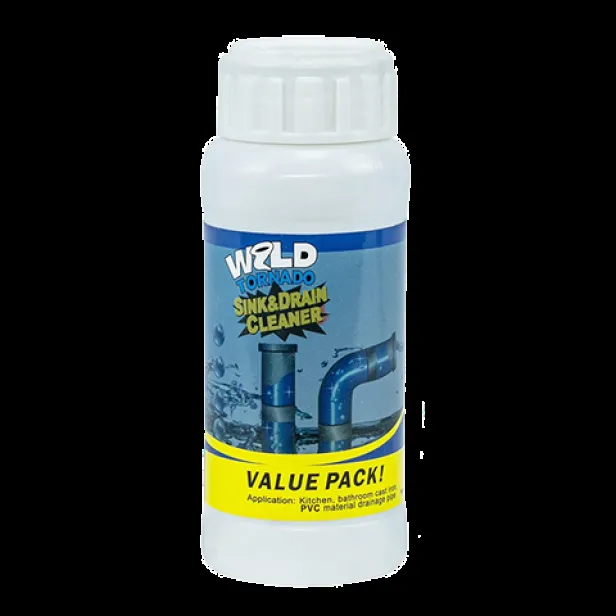
Our pick: the SavingStars Drain Cleaner
Foaming drain cleaner powder for hair, grease and soap scum. Pour, add hot water, wait 20 minutes, flush.
Check today's price →$12.99, or from $6.99 each in bundles
Why do laundry sinks clog?
- Lint and fibers from the washing machine drain hose
- Soap and detergent residue that binds lint together
- Pet hair from washing pet bedding
- Sand, mud and grit from rinsing shoes and tools
- Paint and plaster from rinsing brushes and buckets
- Small items: coins, buttons, hair ties from pockets
How do you unclog a laundry sink step by step?
- Turn off the washer so it doesn't drain into a clogged sink.
- Bail out standing water with a cup into a bucket.
- Remove the strainer, if there is one, and pull out debris with gloves or a drain hair tool.
- Pour a kettle of very hot water with a squirt of dish soap; wait 5 minutes.
- Plunge: fill the sink with a few inches of water, place a cup plunger over the drain, cover any overflow with a wet rag and plunge firmly 10 to 15 times.
- Test: run water and see if it drains.
- If still slow, use a foaming drain cleaner according to its label, or move to the P-trap.
Which methods work best?
| Method | Good for | Notes |
|---|---|---|
| Hot water + dish soap | Soap scum, light lint | Use hot, not boiling, with plastic pipes |
| Plunger | Lint plugs, soft clogs | Cover the overflow for suction |
| Foaming drain powder | Soap scum, hair, organic buildup | Follow the label; don't mix with other cleaners |
| Baking soda + vinegar | Light buildup, odors | Gentle; often not enough for big lint plugs |
| Cleaning the P-trap | Lint and debris in the trap | Very effective for laundry sinks |
| Drain snake | Clogs past the trap | Use gently on plastic pipes |
More options in how to unclog a drain without chemicals and natural drain cleaners.
Our pick: the SavingStars Drain Cleaner
Foaming drain cleaner powder for hair, grease and soap scum. Pour, add hot water, wait 20 minutes, flush.
Check today's price →$12.99, or from $6.99 each in bundles
How do you clean the P-trap?
- place a bucket under the curved pipe below the sink
- loosen the slip nuts by hand or with pliers
- remove the trap and empty it into the bucket
- clean out lint, hair and grit with a brush
- rinse it in another sink or outdoors, not in the clogged one
- reattach, hand-tighten and run water to check for leaks
Full guide: how to clean a P-trap.
How do you stop the washer from clogging the sink?
- Add a lint trap: a mesh sock or stainless filter on the end of the washer drain hose
- Empty and replace it regularly; a full trap can overflow
- Shake out pet bedding and blankets before washing
- Check pockets for coins, tissues and hair ties
- Use the right amount of detergent; too much leaves residue
If the washer drain itself backs up, see washing machine drain clogs.
What should you never pour down a laundry sink?
- paint, plaster, grout or joint compound
- grease or oil
- large amounts of sand or mud
- solvents and chemicals
- cat litter
Rinse muddy boots outside first, let paint water settle and dispose of solids according to local rules.
How do you use drain cleaners safely?
Read the label, wear gloves, ventilate the room and never mix drain cleaners with each other, with vinegar or with bleach. Don't plunge right after pouring a chemical cleaner, since it can splash. Health Canada warns to never mix bleach with other cleaning products, and Poison Control explains what's in drain cleaners and why care is needed. More in is drain cleaner safe for pipes?
Why does my laundry sink smell?
A smelly laundry sink usually means trapped lint and soap residue, a dry P-trap (if the sink is rarely used) or a venting problem. Run water regularly to keep the trap full, clean the drain and trap and see gurgling drains if you also hear gurgling.
When should you call a plumber?
- the sink still won't drain after plunging and cleaning the trap
- other drains in the house are slow at the same time
- water backs up into the sink from the washer or floor drain
- you smell sewage
- pipes are old, cracked or leaking
How do you keep a laundry sink draining well?
- clean the lint trap after every few loads
- flush with hot water and dish soap weekly
- use a foaming drain cleaner monthly if the sink gets heavy use
- keep a strainer in the drain
- clean the P-trap once or twice a year
See how to prevent clogged drains.
Where does SavingStars fit in?
Laundry sink clogs are often a mix of soap scum, lint and hair, which is exactly what foaming drain powders target. SavingStars is a foaming drain powder: pour it into the drain, add about 1 liter of hot water, wait 20 minutes and flush. Use it on its own, without mixing it with other cleaners. It's $12.99, or from $6.99 each in bundles. Read our SavingStars review and how to use SavingStars.
What if the sink overflows during a wash cycle?
Stop the washer right away, or switch it to pause, so it doesn't pump more water into the sink. Bail out the sink into a bucket, mop up the floor and dry around the washer so water doesn't seep under it. Check the lint trap on the drain hose first, since a full trap can slow the sink suddenly. Don't restart the wash until the sink drains freely. A water leak alarm on the floor next to the washer can warn you early next time.
What about a floor drain in the laundry room?
Many laundry rooms and basements have a floor drain near the washer. If water comes up from the floor drain when the sink or washer drains, the clog may be further down the main line, and it's time to call a plumber. Pour a little water into rarely used floor drains every month so the trap stays full and sewer gas stays out. See sewer smells for related causes.
Do laundry sinks clog more in winter?
They can. More laundry (heavy blankets, coats, pet beds) means more lint, and cold pipes in unheated laundry rooms or garages make soap and grease thicken. Run hot water through the sink after big loads and keep the lint trap clean. See winter drain problems.
Do enzyme drain cleaners work in laundry sinks?
Enzyme cleaners are slow but gentle, and they work on organic buildup like soap residue, hair and lint mixed with grime. They're a good option for monthly maintenance, especially with a septic system, but they won't clear a hard plug quickly. See enzyme drain cleaners and drain cleaners for septic systems.
Which tools should you keep in the laundry room?
- a cup plunger
- rubber gloves
- a bucket and old towels
- a plastic drain hair tool
- spare lint traps for the washer hose
- a small hand snake for clogs past the trap
Should you clean the faucet aerator too?
Yes. If the water coming out of the laundry faucet is weak or sprays sideways, unscrew the aerator at the tip, rinse out grit and soak it in vinegar to remove scale. It's a two-minute job that makes rinsing much easier, and it often fixes "low pressure" that has nothing to do with the drain.
How do you clean paintbrushes without clogging the sink?
For water-based paint, wipe excess paint onto newspaper first, then rinse brushes in a bucket rather than under the running tap. Let the bucket sit so solids settle, pour the clearer water off and dispose of the sludge according to local rules. Never rinse oil-based paint or solvents in the sink.
The bottom line
To unclog a laundry sink:
- bail out water and remove visible lint and debris
- flush with hot water and dish soap, then plunge
- use a foaming drain cleaner or clean the P-trap for stubborn clogs
- add a lint trap to the washer hose to prevent repeats
- call a plumber if several drains are slow or water backs up
SavingStars foaming powder targets soap scum, hair and lint buildup, $12.99 or from $6.99 each in bundles.
Our pick: the SavingStars Drain Cleaner
Foaming drain cleaner powder for hair, grease and soap scum. Pour, add hot water, wait 20 minutes, flush.
Check today's price →$12.99, or from $6.99 each in bundles
Frequently asked questions
Why does my laundry sink keep clogging?
Lint, fibers and soap residue from the washer drain hose build up, along with pet hair, grit and small items from pockets.
How do I unclog a laundry sink fast?
Bail out water, remove visible lint, flush with hot water and dish soap, then plunge with the overflow covered.
Can I use drain cleaner in a laundry sink?
Yes, a household drain cleaner used as the label directs. Never mix it with other cleaners, vinegar or bleach.
How do I stop washing machine lint from clogging the sink?
Put a lint trap on the end of the washer drain hose and empty it regularly.
Should I clean the P-trap under a laundry sink?
Yes. Lint and grit collect there, and cleaning it often fixes stubborn clogs.
When should I call a plumber?
If several drains are slow, water backs up from the floor drain or you smell sewage.

Michelle Hert
Michelle looks into the cleaning products that go viral in ads, from toilet foams to mini vacuums and drain cleaners. She reads the product pages, checkout and return policies, trusted safety sources and buyer feedback so you know what a product really does before you buy it. Her reviews are built on manufacturer information, official checkout and return policies, trusted safety sources and buyer feedback, and are updated when offers change. More about Michelle.