- Soft side brushes and smooth wheels that won't scratch.
- A bumper that protects furniture and baseboards.
- A low profile to clean under sofas and beds.
- Quiet, regular runs to keep grit from scratching the finish.
Hardwood floors look beautiful, but they show everything. A sunbeam across the living room reveals a layer of dust, dog hair drifts into corners, and crumbs crunch underfoot near the kitchen. Worse, that fine grit acts like sandpaper every time someone walks over it, slowly dulling the finish.
A robot vacuum is one of the easiest ways to keep wood floors clean every day without hauling out the big vacuum. This guide explains why robots work so well on hardwood, which features matter (and which don't), how to protect your floors, and how to set up a routine that keeps them looking their best.
Why do robot vacuums work so well on hardwood floors?
Carpet holds dirt down in its fibers, so vacuums need strong suction and an aggressive brush to pull it out. Hardwood is the opposite: dirt sits on top of a flat, smooth surface. That makes it easy to pick up, even with modest suction. Robots also benefit from the lack of thresholds and thick rugs in many open-plan homes with wood floors, so they move freely from room to room.
- Dirt sits on the surface, so it's easy to collect.
- Daily runs remove grit before it can scratch the finish.
- Pet hair and dust bunnies that drift into corners get picked up regularly.
- Under-furniture dust that a regular vacuum rarely reaches gets cleaned.
- No effort: press a button and leave the room.
Can a robot vacuum scratch hardwood floors?
A well-maintained robot is safe for sealed hardwood. Scratches usually come from three things, all of which you can avoid:
- Debris stuck in the wheels or under the robot, like a small stone or a staple. Check the underside every week or two.
- Worn or damaged brushes. Replace them when bristles fray.
- Grit left on the floor for days, which the robot pushes around. Regular runs prevent buildup.
The National Wood Flooring Association recommends regular sweeping or vacuuming to remove grit, using vacuums without a beater bar on wood, and keeping the floor dry. A gentle robot is a natural fit for that advice.
Which robot vacuum features matter on hardwood?
| Feature | Why it matters on wood | Need it? |
|---|---|---|
| Soft side brushes | Sweep dust out of corners and along baseboards without marking | Yes |
| Low height | Reaches under sofas, beds and dressers where dust collects | Yes |
| Bumper | Protects furniture legs and baseboards | Yes |
| Quiet motor | Wood floors echo; quieter is nicer daily | Helpful |
| Very high suction | Mostly needed for deep carpet | No |
| App mapping | Nice in large, multi-floor homes | Optional |
| Mopping pads | Can leave too much moisture on some finishes | Use with care |
How much suction do you need for hardwood?
Much less than marketing suggests. Very high suction numbers mostly matter for pulling deep dirt from thick carpet. On hardwood, a robot's side brushes and main brush move dust and hair into the intake, and modest suction is enough to collect it. That's why simple, affordable robots are often all a wood-floored home needs for daily maintenance. Keep a stronger vacuum or a handheld for rugs, stairs and upholstery.
Is DustaPro a good robot vacuum for hardwood?
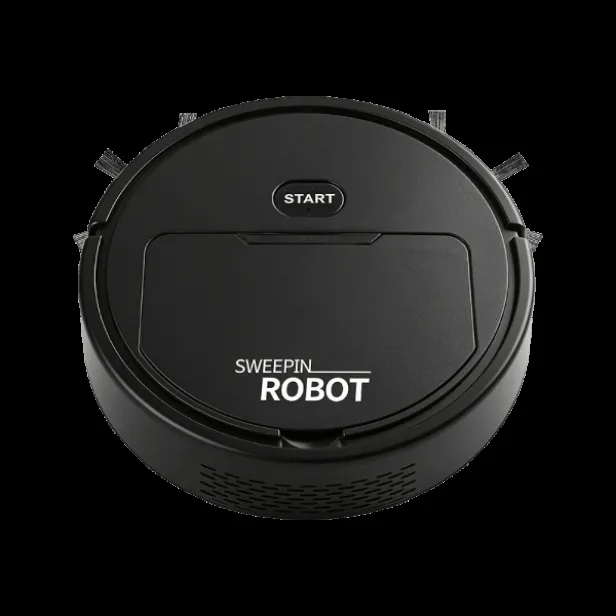
DustaPro is a one-button robot vacuum built for exactly this kind of daily maintenance. There's no app, no WiFi and no account to set up: you press the button and it cleans. It's about 2.8 inches tall, so it slips under most sofas and beds, it runs quietly (the brand lists 60 dB or less), and it charges by USB, so you don't need a bulky dock.
Its suction is modest, which is why we recommend it for daily dust, crumbs and pet hair on hard floors and low rugs rather than deep carpet cleaning. On hardwood, that's exactly what most people need. It costs $69.99, or as little as $49.99 each in bundles, with a 30-day refund guarantee. Read our DustaPro review, where we rate it 4.3/5.
Simple daily cleaning for wood floors
DustaPro one-button robot vacuum: no app, no WiFi, 2.8 in tall, quiet, USB charging. $69.99, or from $49.99 each in bundles, with a 30-day refund guarantee.
Check today's price →$69.99, or from $49.99 each in bundles
How do you set up a robot vacuum for wood floors?
- Clear the floor: cords, socks, toys and pet bowls.
- Check rug edges: tape down or remove rugs with long fringe that can tangle the brushes.
- Add felt pads to chair and table legs, which protects the floor from scratches anyway.
- Block off areas you don't want cleaned with a closed door or a simple barrier.
- Run it at the same time each day, for example while you're at work or walking the dog.
- Empty the bin after each run and check the brushes weekly.
What's the best cleaning routine for hardwood?
- Daily: robot vacuum run in high-traffic rooms.
- Weekly: quick handheld pass on corners, stairs and rugs; check the robot's wheels and brushes.
- Every 1 to 2 weeks: damp mop with a cleaner made for sealed wood, using a well-wrung microfiber mop.
- Every few months: deeper clean and check for worn areas of finish.
Our full guide on how to clean hardwood floors covers mopping and stains, and our weekly cleaning schedule shows how floors fit into a simple routine.
Are robot vacuums good for pet hair on hardwood?
Very. On wood, pet hair doesn't get stuck in fibers; it drifts into tumbleweeds that collect in corners and under furniture. A daily robot run picks most of it up before it spreads. Check and clean the main brush more often with pets, since long hair wraps around it. Our guide to a robot vacuum for pet hair has more tips.
Should you use a robot mop on hardwood?
Be careful. Wood and water don't mix well, and many flooring makers warn against wet-mopping or steam on wood. Some robot mops leave too much moisture behind, especially on older or worn finishes. If you use one, choose a setting with minimal water, test it in one room first, and never use it on unsealed, waxed or oiled floors. For most homes, a dry robot vacuum daily plus an occasional manual damp mop is the safest combination.
What about area rugs on hardwood?
Low-pile area rugs are usually fine for a simple robot, which will roll over them and pick up surface debris. High-pile or shag rugs, thick fringe and very lightweight rugs that slide can cause problems. For those, roll them up before a run or block them off, and clean them with a stronger vacuum once a week. A rug pad under area rugs also helps protect the floor beneath.
Does the type of wood floor matter?
Not much for vacuuming. Solid hardwood, engineered wood and most laminate and luxury vinyl plank floors all benefit from daily dry vacuuming, and a gentle robot is safe on all of them as long as the finish is sealed. Where they differ is moisture: laminate and many engineered floors are even more sensitive to standing water than solid wood, so skip robot mopping on them unless the floor maker says it's fine. Very soft woods like pine dent more easily, which is another reason to keep grit off them every day. If you're not sure what floor you have, check with the installer or the manufacturer's care guide before using any wet cleaner.
Why do dark wood floors look dusty so fast?
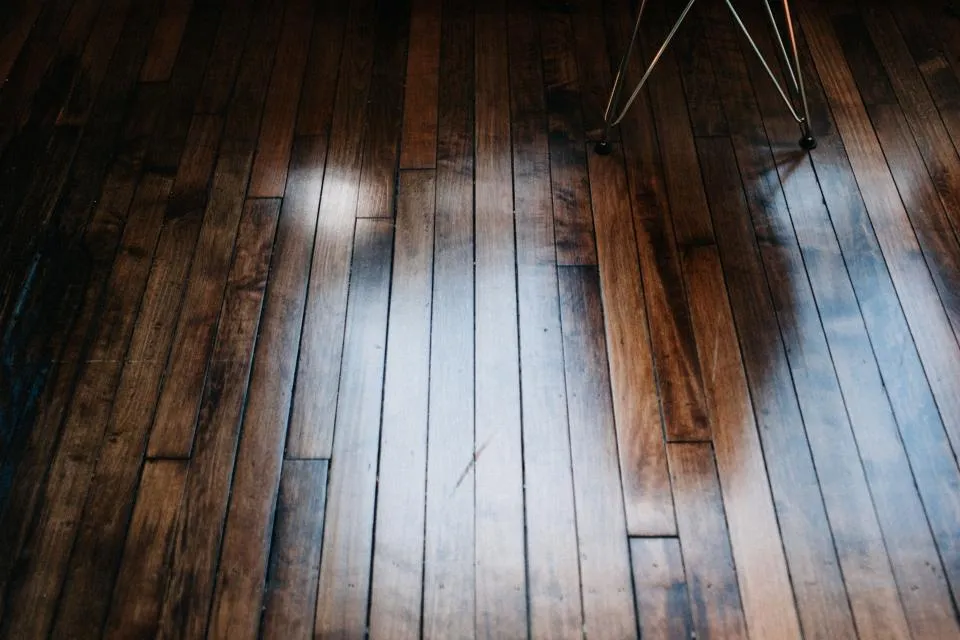
Dark and high-gloss finishes show every speck of dust, every paw print and every pet hair, especially in sunlight. The floor isn't actually dirtier; you just see more. This is where a daily robot run makes the biggest visible difference: it removes the light layer of dust before it becomes noticeable. Pair it with a microfiber dust mop for quick touch-ups in the brightest spots, and keep doormats at entrances so less grit comes inside in the first place.
Do you need an expensive robot for hardwood?
Usually not. Premium robots add features like room mapping, app control, self-emptying bases and mopping systems. Those can be useful in large homes with lots of carpet, but on hardwood the core job is simple: pick up dust, hair and crumbs from a smooth surface every day. A basic robot that runs reliably and fits under your furniture does most of what an expensive one does on wood floors. The money you save can go toward a good handheld vacuum for rugs, stairs and upholstery, which covers the spots any robot misses. Our guide on whether cheap robot vacuums are worth it goes deeper into what you give up and what you don't.
How do you maintain a robot vacuum used on wood?
- Empty the bin after every run; a full bin reduces pickup.
- Untangle hair from the main brush and side brushes weekly.
- Wipe the wheels and check for stuck grit or small stones that could mark the floor.
- Clean the sensors with a dry cloth so the robot doesn't bump hard into furniture.
- Tap out or rinse the filter as the manual directs, and let it dry fully.
Five minutes a week keeps the robot cleaning well and keeps your floors safe. Our guide to robot vacuum maintenance has a full checklist.
How else can you protect hardwood floors?
- Put doormats at every entrance and take shoes off inside.
- Use felt pads on furniture legs and replace them when worn.
- Trim pets' nails regularly.
- Wipe up spills immediately.
- Keep indoor humidity steady to prevent gaps and cupping.
- Avoid harsh cleaners, vinegar solutions and steam unless the flooring maker approves them.
The bottom line
Robot vacuums are a great match for hardwood floors because dirt sits on the surface and daily runs keep scratching grit away. You don't need maximum suction or an expensive app-controlled model: a low, quiet, simple robot with soft brushes does the job, paired with a handheld for rugs and stairs and an occasional damp mop.
Our pick for daily hardwood cleaning is DustaPro. Check today's DustaPro price.
Sources
- National Wood Flooring Association. Wood Floor Care.
- U.S. Environmental Protection Agency. Introduction to Indoor Air Quality.
- Official DustaPro product page, checked October 2026.
Frequently asked questions
Are robot vacuums good for hardwood floors?
Yes. Dirt sits on top of the smooth surface, so even a simple robot picks it up, and daily runs remove grit before it scratches the finish.
Can a robot vacuum scratch hardwood floors?
A well-maintained robot is safe on sealed hardwood. Check the wheels and underside for stuck debris and replace worn brushes to avoid scratches.
How much suction do you need for hardwood floors?
Not much. High suction matters mostly for deep carpet. On hardwood, brushes move dust and hair to the intake and modest suction collects it.
Should I use a robot mop on hardwood?
Be careful: wood is sensitive to moisture. Use minimal water, test first, and never use it on unsealed, waxed or oiled floors.
Is DustaPro good for hardwood floors?
It's a one-button robot, 2.8 in tall, quiet and USB charged, designed for daily dust, crumbs and pet hair on hard floors and low rugs. $69.99, or from $49.99 each in bundles.
How often should a robot vacuum run on hardwood?
Daily in high-traffic rooms is ideal, plus a damp mop with a wood-safe cleaner every one to two weeks.

Michelle Hert
Michelle looks into the cleaning products that go viral in ads, from toilet foams to mini vacuums and drain cleaners. She reads the product pages, checkout and return policies, trusted safety sources and buyer feedback so you know what a product really does before you buy it. Her reviews are built on manufacturer information, official checkout and return policies, trusted safety sources and buyer feedback, and are updated when offers change. More about Michelle.