- Remove lint from the screen after every load: pull it out, roll the lint off with your fingers and throw it away.
- Wash the screen every 1 to 3 months with warm, soapy water and a soft brush to remove the invisible film from dryer sheets and softener.
- Test it: run water over the screen; if water pools instead of passing through, it needs washing.
- Let it dry completely before putting it back.
- Vacuum the lint trap housing (the slot) with a narrow nozzle every few months.
- Clean the dryer vent at least once a year.
The lint trap is the simplest part of your dryer to clean, and one of the most important. Every load of laundry sheds fibers, and the lint screen catches them before they go into the vent. When the screen is clogged, air can't flow, drying takes longer, the dryer runs hotter and lint can build up inside the machine and the vent, where it becomes a fire hazard. Many people pull off the visible lint but never wash the screen or clean the slot underneath, where lint quietly piles up. This guide explains how to clean the lint screen properly, how to wash off dryer sheet residue, how to clean the lint trap housing, how often to do each job and the signs that your dryer needs more attention.
In this guide:
- why the lint trap matters
- cleaning after every load
- washing the screen
- cleaning the lint trap housing
- how often to clean
- warning signs
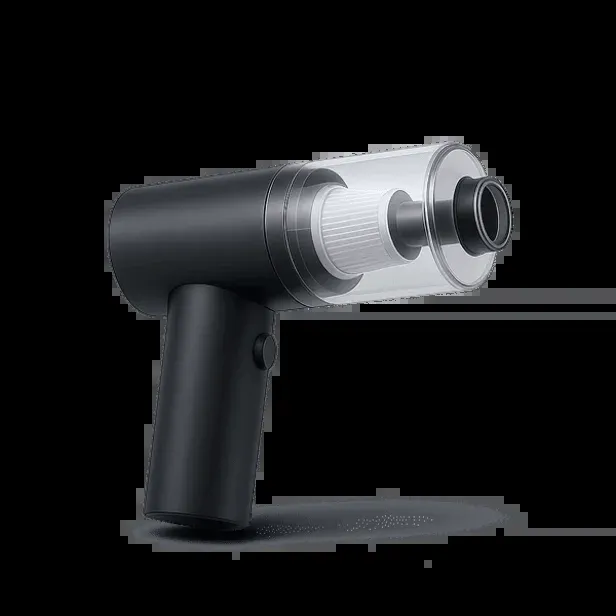
Our pick: the DustaClean Handheld Vacuum
Cordless, USB-rechargeable mini vacuum under 1 lb with HEPA filtration, 2 nozzles and up to 30 minutes per charge.
Check today's price →$69.99, or from $49.99 each in bundles
Why does the lint trap matter?
- Fire safety: lint is highly flammable, and failure to clean dryers is a leading factor in dryer fires
- Efficiency: a clean screen lets air flow, so clothes dry faster
- Energy savings: shorter drying cycles use less electricity or gas
- Longer dryer life: less heat and strain on parts
- Fewer lint balls on clothes
The National Park Service fire prevention team explains why dryer lint causes fires and how cleaning the screen helps prevent them.
How do you clean the lint screen after every load?
- open the dryer and pull out the lint screen (usually inside the door or on top)
- roll the lint off with your fingers or a dry hand; it usually comes off in one sheet
- throw the lint in the trash, not the compost if you use dryer sheets
- slide the screen back in firmly
Cleaning before or after every load takes seconds and is the single best habit for dryer safety.
How do you wash the lint screen?
Dryer sheets and fabric softener leave a waxy film on the mesh that you can't see. Over time it blocks airflow even when the screen looks clean.
- Test it: run water over the screen. If water pools or beads up, it's coated.
- Wash in warm water with a little dish soap.
- Scrub gently with a soft brush, like an old toothbrush, on both sides.
- Rinse until water flows freely through the mesh.
- Dry completely before putting it back; a wet screen can trap more lint.
Our pick: the DustaClean Handheld Vacuum
Cordless, USB-rechargeable mini vacuum under 1 lb with HEPA filtration, 2 nozzles and up to 30 minutes per charge.
Check today's price →$69.99, or from $49.99 each in bundles
How do you clean the lint trap housing?
Lint that slips past the screen builds up in the slot where the screen sits. Unplug the dryer, remove the screen and use a narrow vacuum nozzle or a long, flexible dryer lint brush to reach down into the slot. Vacuum out as much as you can. Many people are surprised how much comes out. Never poke sharp objects into the slot, and don't use water there.
How often should you clean each part?
| Part | How often |
|---|---|
| Lint screen (remove lint) | Every load |
| Wash the lint screen | Every 1 to 3 months; monthly if you use dryer sheets |
| Vacuum the lint trap housing | Every 3 to 6 months |
| Dryer vent and duct | At least once a year |
| Behind and under the dryer | Every few months |
What are signs the dryer needs more cleaning?
- clothes take more than one cycle to dry
- the dryer or clothes feel very hot
- a burning smell
- lint around the dryer door or outside vent
- the outside vent flap doesn't open when the dryer runs
These often mean the vent is clogged. A dryer vent can be cleaned with a brush kit or, for short runs, a blower; call a professional for long or hidden vent runs. Ready.gov's guide to home fire safety also covers smoke alarms and escape plans.
Should you stop using dryer sheets?
You don't have to, but they're the main cause of the film on the lint screen. If you use them, wash the screen monthly. Wool dryer balls are a reusable alternative that reduce static and drying time without leaving residue.
What about behind and under the dryer?
Lint escapes around the door seal and collects behind and under the dryer, along with dust. Every few months, unplug the dryer, pull it out carefully and vacuum the floor, wall and the back of the machine. Check that the vent hose isn't crushed. See how to clean air vents and how to reduce dust in the house.
Does the washer affect lint?
Yes. Overloading the washer, washing towels with dark clothes and skipping the washer's own filter cleaning all increase lint. Shake out clothes before drying, separate lint-producing towels from lint-catching fabrics and clean the washer filter if it has one. See washing machine drain clogs.
What other dryer safety tips matter?
- never run the dryer when you leave home or go to sleep
- don't dry items with foam, rubber or plastic
- don't dry rags soaked in oil, gasoline or cooking oil
- use metal vent ducts, not plastic or foil accordion ducts
- keep the area around the dryer clear
Where does DustaClean fit in?
The lint trap slot and the area behind the dryer are exactly where a light handheld vacuum shines. DustaClean weighs under 1 lb, has HEPA filtration so fine lint and dust aren't blown back out, two nozzles including a crevice tool and runs about 30 minutes per charge. It's $69.99, or from $49.99 each in bundles. Read our DustaClean review and the best handheld vacuum.
How much energy does a clean lint trap save?
A clogged screen and vent make the dryer run longer and hotter for every load. Clearing them often brings drying times back to one cycle, which saves electricity or gas and reduces wear on the dryer. It also keeps the laundry room cooler and less humid. Keeping the lint screen clean is one of the easiest energy-saving habits in the home.
What if the lint screen is torn?
A torn or bent screen lets lint pass straight into the dryer and vent, which defeats its purpose and raises the fire risk. Replacement screens are inexpensive and available for most models; search by your dryer's model number. Don't run the dryer without a screen in place.
Can you compost dryer lint?
Lint from natural fibers like cotton and wool can go in the compost in small amounts. Lint from synthetic fabrics or loads washed with dryer sheets contains plastic fibers and chemical residue, so it's better in the trash. If you're cutting back on microfibers, a lint catcher on the washer and shorter dryer cycles help.
Can kids help with the lint trap?
Clearing the lint screen after each load is a simple, satisfying job for children, and it teaches an important safety habit. Show them how to pull the screen out, roll off the lint and slide it back in firmly. Keep the dryer off while they do it.
What about stacked or compact dryers?
Stacked and compact dryers often have smaller screens that fill faster, so clean them after every load without fail. The slot can be harder to reach; a slim crevice nozzle or flexible lint brush helps. Check your manual for where the screen and vent are located.
Do pets add to dryer lint?
Yes. Pet hair on clothes and bedding fills the lint screen quickly. Shake out pet bedding outdoors and use a lint roller or rubber glove on clothes before washing, then clean the lint screen mid-load if you're drying pet blankets. See pet hair cleaning tips.
What about the outside vent hood?
Lint also collects at the outdoor vent, especially behind the flap. Check it every few months, clear lint and leaves and make sure the flap opens and closes freely. In winter, clear snow away from it after storms.
Is there anything different for gas dryers?
The lint screen is cleaned the same way. Gas dryers also need proper venting to carry combustion gases outside, so keeping the vent clear is even more important. Have carbon monoxide alarms in the home, and don't move a gas dryer yourself if you're unsure about the gas line.
What's an easy routine?
Clear the screen with every load, wash it on the first of each month and vacuum the slot each season. Put a reminder on your calendar for the yearly vent cleaning.
The bottom line
To clean a dryer lint trap:
- remove lint from the screen after every load
- wash the screen every 1 to 3 months to remove dryer sheet film
- vacuum the lint trap slot every few months
- clean the dryer vent at least once a year
- watch for long drying times and burning smells
DustaClean is a handheld vacuum under 1 lb with HEPA filtration and a crevice nozzle, $69.99 or from $49.99 each in bundles.
Our pick: the DustaClean Handheld Vacuum
Cordless, USB-rechargeable mini vacuum under 1 lb with HEPA filtration, 2 nozzles and up to 30 minutes per charge.
Check today's price →$69.99, or from $49.99 each in bundles
Frequently asked questions
How often should you clean the dryer lint trap?
Remove lint from the screen after every load and wash the screen every 1 to 3 months.
Why does water bead up on my lint screen?
Dryer sheets and softener leave a film on the mesh. Wash it with warm, soapy water and a soft brush.
How do you clean inside the lint trap slot?
Unplug the dryer, remove the screen and vacuum the slot with a narrow nozzle or a dryer lint brush.
Can a dirty lint trap cause a fire?
Lint is highly flammable, and failing to clean dryers is a leading factor in dryer fires.
Should I put the lint screen back wet?
No. Let it dry completely before putting it back.
Why are my clothes taking longer to dry?
Often a clogged lint screen, a coated screen or a blocked dryer vent.

Michelle Hert
Michelle looks into the cleaning products that go viral in ads, from toilet foams to mini vacuums and drain cleaners. She reads the product pages, checkout and return policies, trusted safety sources and buyer feedback so you know what a product really does before you buy it. Her reviews are built on manufacturer information, official checkout and return policies, trusted safety sources and buyer feedback, and are updated when offers change. More about Michelle.