- Put on disposable gloves and open a window or run the fan.
- Close the lid before flushing to reduce spray.
- Clean first: wipe away visible mess on the seat, lid, rim, base and floor with paper towels, then soap and water.
- Disinfect every surface with a product labeled to kill norovirus, or a diluted bleach solution, following the label's contact time.
- Don't forget high-touch spots: the flush handle, seat hinges, door handle, light switch, faucet and nearby floor.
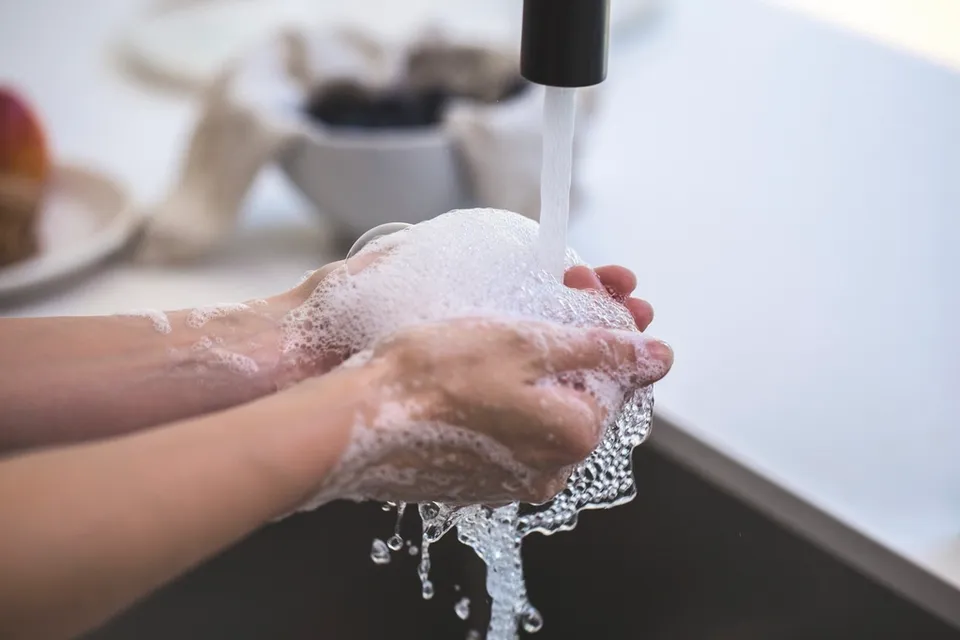
- Bag and throw away gloves and paper towels; wash cloths in hot water; wash hands well with soap.
When someone in the house has a stomach bug, the bathroom becomes the front line. Norovirus, the most common cause of "stomach flu," spreads very easily: tiny amounts of virus in vomit or diarrhea can make others sick, and the virus can survive on surfaces for days. Flushing with the lid open can spray particles around the bathroom. Cleaning the toilet the right way, with the right products and in the right order, is one of the best ways to stop the bug from going through the whole family. This guide explains why stomach bugs spread so easily, what you need, how to clean and disinfect the toilet and bathroom step by step, how to handle laundry and when to clean again.
In this guide:
- why stomach bugs spread so easily
- what you need
- cleaning and disinfecting step by step
- high-touch spots people miss
- laundry and the rest of the house
- preventing spread

Our pick: the FizzClean Toilet Cleaning Foam
Foaming toilet cleaning powder: 1 tablespoon, wait 20 minutes, flush. Bleach-free and septic-safe, per FizzClean.
Check today's price →From $15.29 per pack in bundles
Why do stomach bugs spread so easily?
- it takes only a very small amount of norovirus to make someone sick
- the virus can survive on hard surfaces for days
- vomiting and flushing can spread tiny droplets
- hand sanitizer is less effective against norovirus than soap and water
- people can still spread the virus for a while after they feel better
The CDC's guidance on preventing norovirus explains why cleaning and handwashing matter so much.
What do you need?
- disposable gloves (and a mask if you're cleaning up vomit)
- paper towels and trash bags
- dish soap and water for the first clean
- a disinfectant labeled for norovirus, or household bleach to dilute
- a toilet brush you can disinfect or replace
- a bucket and a dedicated cleaning cloth
The EPA keeps a list of disinfectants for norovirus and explains six steps for safe and effective disinfectant use, including reading the label and the contact time.
How do you clean and disinfect the toilet step by step?
- Ventilate and put on gloves.
- Close the lid and flush.
- Remove visible mess with paper towels, working from the cleanest areas to the dirtiest, and bag them.
- Wash surfaces with soapy water: lid, seat (both sides), rim, tank, base and the floor around the toilet.
- Apply disinfectant to all those surfaces and leave it wet for the time on the label.
- Disinfect the bowl and under the rim, then brush and flush with the lid closed.
- Disinfect the toilet brush by soaking it in the disinfectant solution, or replace it.
- Rinse surfaces that touch skin, like the seat, if the label says to.
- Remove gloves, bag everything and wash hands for at least 20 seconds.
Our pick: the FizzClean Toilet Cleaning Foam
Foaming toilet cleaning powder: 1 tablespoon, wait 20 minutes, flush. Bleach-free and septic-safe, per FizzClean.
Check today's price →From $15.29 per pack in bundles
How do you use bleach safely?
- follow the dilution on the bleach label for disinfecting hard surfaces
- mix it fresh in cool water in a well-ventilated room
- never mix bleach with ammonia, vinegar, toilet bowl cleaners or other products
- keep it away from children and pets
- test on colored grout or surfaces, since bleach can discolor
Health Canada warns to never mix bleach with other cleaning products, because it can release toxic gases.
Which high-touch spots do people miss?
| Spot | Why |
|---|---|
| Flush handle or button | Touched every visit |
| Seat hinges and bolts | Splashes collect here |
| Floor around the toilet | Splashes and drips |
| Bathroom door handle and light switch | Touched before handwashing |
| Faucet handles | Touched with dirty hands |
| Toilet paper holder | Often forgotten |
| Trash can lid | Touched when throwing things away |
See how to clean toilet seat hinges and cleaning around the toilet base.
How do you handle laundry?
- handle soiled towels, bath mats and clothes with gloves
- don't shake them out
- wash on the hottest setting the fabric allows, with detergent
- dry on high heat
- wash your hands after loading the machine
What else in the house should you clean?
- bedside tables, remote controls, phones and tablets
- kitchen counters and fridge handles
- doorknobs and railings
- any surface where someone was sick
If someone vomited on carpet or upholstery, blot up as much as possible, clean with soap and water and follow up with a product labeled for that surface.
How do you stop it spreading?
- Wash hands with soap and water, especially after using the toilet and before eating
- Use a separate bathroom for the sick person if possible
- Close the lid before every flush
- Don't prepare food for others while sick and for a couple of days after
- Clean the bathroom daily while someone is sick and again after they recover
What about the toilet brush?
The brush can hold germs after cleaning up during illness. Soak the head in disinfectant solution for the label's contact time, rinse in the clean flush water and let it dry over the bowl. If it's old or very soiled, replace it. See how to clean a toilet brush.
How do you return to a normal routine?
Once everyone has been well for a couple of days, do a final disinfecting clean, then return to your regular schedule. A weekly toilet clean and quick daily touch-ups keep the bathroom fresh. See a toilet cleaning schedule and how to clean a toilet.
Where does FizzClean fit in?
During illness, use a product labeled to kill norovirus for disinfecting. For everyday cleaning afterward, FizzClean is a foaming toilet bowl powder: pour it into the bowl, let the foam work on stains and rings, brush lightly and flush. Use it on its own and never combine it with bleach or other cleaners in the bowl. Packs start at $25.59 each for two and go down to $15.29 each in 5-packs. Read our FizzClean review.
How do you clean up vomit around the toilet?
- put on disposable gloves and, if you can, a mask
- cover the mess with paper towels or an absorbent material like cat litter, then scoop it into a plastic bag
- clean the area with soapy water and paper towels
- disinfect with a product labeled for norovirus or diluted bleach, following the contact time
- bag everything, remove gloves and wash hands well
Clean a wider area than you think, since splashes travel. Keep children and pets out of the bathroom until you're done.
What if a child is sick?
Young children often don't make it to the toilet in time, so cleaning spreads to beds, floors and car seats. Keep a "sick kit" ready: gloves, paper towels, trash bags, a bucket and a disinfectant labeled for norovirus. Wash soiled bedding and stuffed toys in hot water. Help kids wash their hands with soap after every trip to the bathroom. Make sure sick children drink fluids, and call their doctor if they show signs of dehydration.
What if you share one bathroom?
When there's only one bathroom, clean high-touch spots after each use by the sick person, or at least several times a day. Give the sick person their own hand towel, or use paper towels for everyone until the illness passes. Close the lid before flushing every time, and keep toothbrushes covered or stored away from the toilet. See cleaning a kids' bathroom toilet.
How long should you keep disinfecting?
People can spread norovirus for a few days after they feel better, sometimes longer. Keep cleaning high-touch spots daily during the illness and for a couple of days after symptoms stop, then do a final deep clean of the bathroom. See the bathroom cleaning checklist for a full list.
Why is handwashing so important here?
Hands carry the virus from the bathroom to door handles, phones and food. Wash with soap and running water for at least 20 seconds after using the toilet, after cleaning up and before eating or preparing food. Dry with a clean towel or paper towel. Rely on soap and water rather than hand sanitizer while someone in the home has a stomach bug.
Should you disinfect the sink and tub too?
Yes, if the sick person used them or was sick in them. Clean with soapy water first, then disinfect following the label, and rinse the faucet handles well. Wash the bath mat in hot water. Replace or disinfect any shared cups in the bathroom.
How do you choose a disinfectant?
Look for a product whose label lists norovirus, and follow the instructions exactly, including how long the surface must stay wet. Wipes can dry out before the contact time is reached on large areas, so a spray or diluted bleach often works better for the toilet and floor.
The bottom line
To clean a toilet after a stomach bug:
- wear gloves, ventilate and close the lid before flushing
- clean visible mess first, then disinfect with a norovirus-rated product or diluted bleach
- leave disinfectant on for the label's contact time
- don't miss handles, hinges, faucets, switches and the floor
- never mix bleach with other cleaners, and wash hands with soap and water
FizzClean is a foaming toilet powder for everyday cleaning, used on its own, from $15.29 each in 5-packs.
Our pick: the FizzClean Toilet Cleaning Foam
Foaming toilet cleaning powder: 1 tablespoon, wait 20 minutes, flush. Bleach-free and septic-safe, per FizzClean.
Check today's price →From $15.29 per pack in bundles
Frequently asked questions
What kills the stomach flu virus on a toilet?
A disinfectant labeled to kill norovirus or a diluted bleach solution, left wet for the contact time on the label.
Does hand sanitizer work against stomach bugs?
It's less effective against norovirus than washing hands with soap and water for 20 seconds.
Should I close the toilet lid before flushing?
Yes. Closing the lid reduces spray that can spread germs around the bathroom.
How long can norovirus live on surfaces?
It can survive on hard surfaces for days, which is why disinfecting matters.
Can I mix bleach with toilet bowl cleaner?
No. Never mix bleach with other cleaners; it can release toxic gases.
Should I replace the toilet brush after a stomach bug?
Disinfect it by soaking the head in disinfectant, or replace it if it's old or heavily soiled.

Michelle Hert
Michelle looks into the cleaning products that go viral in ads, from toilet foams to mini vacuums and drain cleaners. She reads the product pages, checkout and return policies, trusted safety sources and buyer feedback so you know what a product really does before you buy it. Her reviews are built on manufacturer information, official checkout and return policies, trusted safety sources and buyer feedback, and are updated when offers change. More about Michelle.