
If you have a dog or cat, you know how fast the floor fills up again. You vacuum on Saturday, and by Monday there are tufts in the corners and a fine layer of fur along the hallway. Shedding never takes a day off, which is exactly why robot vacuums have become so popular with pet owners.
But not every robot is right for every pet home, and setting expectations matters. This guide covers what robot vacuums do well for pet hair, where they need help, which features matter and how to set one up so it actually keeps up with your pets.
Why are robot vacuums good for pet hair?
Pet hair is a "little and often" problem. A heavy shedder can drop a surprising amount of hair every day, and that hair drifts into corners, under furniture and onto rugs. The longer it sits, the more it gets walked on, ground into fibers and mixed with dust and dander.
A robot vacuum changes the math. Instead of one big weekly clean, it does a daily pass, picking up hair while it's still loose on the surface. Owners often notice that their floors stay consistently clean and that dust bunnies stop forming. It also reaches under beds and sofas, where pet hair collects and regular vacuums rarely go.
What do robot vacuums do well in pet homes?
- Daily loose hair on hard floors: wood, laminate, tile and vinyl.
- Low-pile rugs and mats.
- Under furniture, where hair drifts and builds up.
- Litter tracked out of the litter box (small amounts), before it spreads through the house.
- Crumbs and kibble scattered around food bowls.
- Keeping dander down, which helps people with mild pet allergies.
Where do robot vacuums need help?
Being honest about limits helps you get the most out of a robot:
- Deep carpet: most robots, especially budget ones, have limited suction on medium or thick carpet. A regular vacuum still needs to deep-clean carpets weekly.
- Upholstery and pet beds: robots stay on the floor. Use a handheld vacuum for couches and beds.
- Stairs: robots can't climb them, so stairs need a handheld.
- Large hair clumps during heavy shedding can fill a small bin quickly; empty it after each run.
- Accidents: pick up any pet messes before running a robot.
Which features matter for pet hair?
- Low height to get under sofas and beds where hair collects.
- Side brushes to sweep hair out of corners and along baseboards.
- An easy-to-empty bin, since you'll empty it daily.
- Brushes that are easy to clean of tangled hair.
- Quiet operation, so it doesn't stress pets.
- Simple controls so it actually gets used every day.
- Good filtration for dander.
Advanced features like mapping and apps are useful in big homes, but for many pet owners the most important feature is simply that the robot runs every day. Simpler robots are easier to make a habit of.
Is a simple one-button robot enough for pet hair?
For daily maintenance on hard floors and low rugs, often yes. DustaPro takes the simple approach. According to the brand, it's a one-button robot vacuum with no app and no WiFi: charge it by USB, place it on the floor and press start. At 2.8 inches tall, it slides under most beds and sofas, it's quiet (60 dB or less), and it runs about 25 minutes per charge, picking up everyday dust, crumbs and pet hair. Its suction is modest, so it's designed for daily upkeep rather than deep carpet cleaning. That's exactly the job a robot does best in a pet home.
Buyers with pets often mention that it keeps up with daily shedding between their regular vacuum sessions. Read our full DustaPro review, where we rate it 4.3/5.

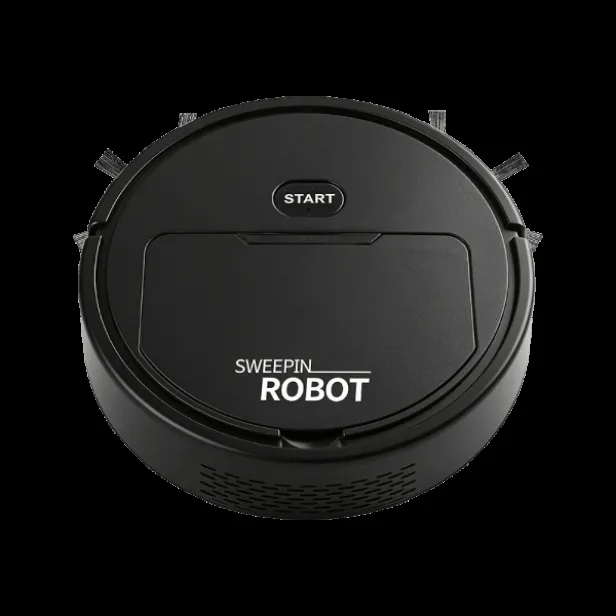
Keep up with shedding every single day
DustaPro one-button robot vacuum: no app, no WiFi, USB charging, 2.8 in tall, quiet. Built for daily dust, crumbs and pet hair. $69.99, or from $49.99 each in bundles.
Check today's price →$69.99, or from $49.99 each in bundles
How do you set up a robot vacuum for a pet home?
- Run it daily, at a time when floors are clear, such as after breakfast or when you leave for work.
- Pick up cords, toys and socks first.
- Move or raise pet bowls, or run the robot after meals and wipe up water spills.
- Check for accidents before starting.
- Introduce it slowly to nervous pets: let them sniff it while it's off, then run it while you're nearby.
- Empty the bin after every run during shedding season.
- Clear hair from the brushes weekly, and check the wheels.
- Clean the filter as the manufacturer recommends.
Will a robot vacuum scare my pet?
Some pets ignore robots from day one; others are suspicious at first. Quiet models help. Let your pet investigate the robot while it's off, then run it for short periods while you're home, rewarding calm behavior. Many cats and dogs get used to it within days. If your pet is very anxious, run the robot when the pet is in another room or out for a walk.
What is the best overall setup for pet owners?
Most pet households do best with three tools working together:
| Tool | Job | How often |
|---|---|---|
| Robot vacuum | Loose hair, dander and crumbs on hard floors and low rugs | Daily |
| Cordless handheld vacuum | Couches, pet beds, stairs, car | Daily to a few times a week |
| Regular vacuum | Deep cleaning carpets and rugs | Weekly |
For the handheld part, see our DustaClean review, and for the whole routine, our guide on how to get rid of pet hair.
How can you reduce how much hair the robot has to pick up?
- Brush your pet several times a week, ideally outdoors.
- Use washable throws on furniture your pet loves.
- Wash pet beds weekly, and shake them outdoors first to remove loose hair.
- Place doormats and a litter mat to catch tracked-in dirt and litter.
- Ask your vet if shedding seems excessive or comes with skin problems, since diet, stress and some health issues can increase shedding.
Do robot vacuums help with pet allergies?
Daily cleaning helps reduce the dander that collects on floors, which can help people with mild pet allergies. The American College of Allergy, Asthma and Immunology notes that pet dander is a common component of household dust. Pair the robot with a HEPA-filter vacuum for carpets and upholstery, since the EPA explains that HEPA filters capture very small particles. Keeping pets out of the bedroom also helps.
What about homes with several pets or heavy shedders?
Multi-pet homes and heavy-shedding breeds like huskies, shepherds and retrievers produce a lot of hair, especially in spring and fall. In these homes, run the robot every day without exception, and consider running it twice a day during peak shedding. Empty the bin after every run, because a full bin quickly reduces pickup. Check the side brushes and main brush for wrapped hair every few days rather than weekly, and keep a pair of small scissors nearby to cut it free. A regular vacuum session two or three times a week, instead of once, keeps carpets under control while the robot handles the daily drift. It may sound like a lot, but each step takes only a minute or two, and the floors stay far cleaner than they would with a big weekly effort alone.
What should you realistically expect in the first month?
In the first few days, a robot in a pet home often fills its bin surprisingly fast, because it's picking up hair that had built up under furniture and along walls for weeks. Don't be discouraged: empty it, run it again the next day, and you'll notice the amount it collects each day drops as it catches up. By the end of the first week or two, most owners see the real benefit, which is floors that stay tidy day after day rather than swinging between clean and hairy.
You'll also learn your home's quirks: a cord that needs tucking away, a rug fringe that's better folded under, a corner behind a chair the robot doesn't reach. Small adjustments in the first month make a big difference to how well it works long term. Keep a regular or handheld vacuum on hand for the spots it can't do, and you'll quickly settle into a routine that takes very little of your time. Many owners say the biggest change isn't the cleaning itself but the relief of no longer seeing fur tumbleweeds every time they walk down the hall.
Are robot vacuums good for pets in apartments?
Yes, apartments are often ideal. Smaller spaces with mostly hard floors are easy for a robot to cover in one run, and a simple robot without mapping is usually all you need. See our guide on robot vacuums for small apartments for more.
The bottom line
Robot vacuums are a natural fit for pet owners because they tackle shedding the way it happens: every day. They excel at loose hair, dander and crumbs on hard floors and low rugs, including under furniture, while a handheld covers couches and pet beds and a regular vacuum handles deep carpet cleaning. Run the robot daily, empty the bin often and keep the brushes clear.
For a simple robot with no app, our pick is DustaPro. Check today's DustaPro price, and see robot vacuum vs regular vacuum.
Sources
- American College of Allergy, Asthma and Immunology. Dust Allergies.
- U.S. Environmental Protection Agency. What Is a HEPA Filter?
- Official DustaPro product page, checked October 2026.
Frequently asked questions
Are robot vacuums good for pet hair?
Yes, for daily maintenance. They pick up loose hair, dander and crumbs on hard floors and low rugs every day, including under furniture. Deep carpet cleaning still needs a regular vacuum.
How often should a robot vacuum run with pets?
Daily, and even twice a day during heavy shedding seasons. Empty the bin after each run.
Can a robot vacuum handle dog hair on carpet?
It can pick up loose hair on low-pile rugs, but medium and thick carpet needs a regular vacuum with stronger suction for deep cleaning.
Will a robot vacuum scare my cat or dog?
Some pets are wary at first. Let them sniff it while it's off, run it while you're nearby and choose a quiet model. Most pets adjust within days.
Do I need an app robot vacuum for pet hair?
Not necessarily. A simple one-button robot like DustaPro handles daily pet hair on hard floors and low rugs without any app or WiFi.
How do I clean pet hair out of a robot vacuum?
Empty the bin after each run, cut and pull hair from the brushes weekly or more often, check the wheels and clean the filter as directed.

Michelle Hert
Michelle looks into the cleaning products that go viral in ads, from toilet foams to mini vacuums and drain cleaners. She reads the product pages, checkout and return policies, trusted safety sources and buyer feedback so you know what a product really does before you buy it. Her reviews are built on manufacturer information, official checkout and return policies, trusted safety sources and buyer feedback, and are updated when offers change. More about Michelle.