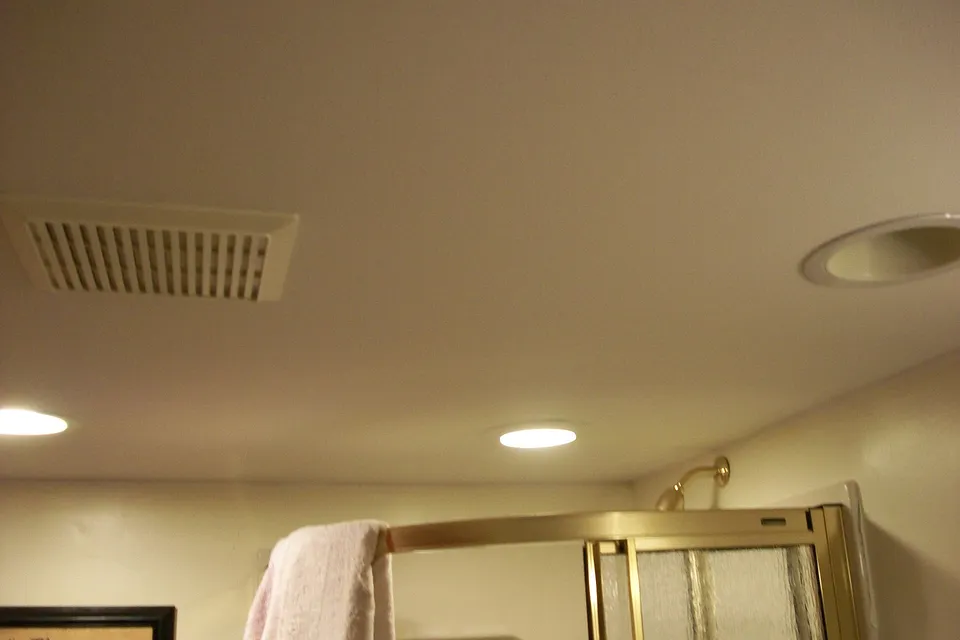
- Turn off the power at the switch and, ideally, the circuit breaker.
- Remove the cover: pull it down gently and squeeze the metal spring clips to release it.
- Wash the cover in warm, soapy water, scrub with a soft brush and let it dry.
- Vacuum the fan housing and blades with a brush nozzle.
- Wipe the blades and housing with a damp cloth, never dripping wet.
- Reinstall the cover once everything is dry and test the fan.
The bathroom exhaust fan is one of the most important and most ignored appliances in the house. It pulls out steam, odors and humidity, which helps prevent mold, mildew, peeling paint and that musty smell. But over time it collects a thick layer of dust and lint on the grille and blades. A dusty fan moves less air, gets louder and works harder, and the dust can even fall back onto clean surfaces. Cleaning it takes about 15 minutes and no special tools. This guide explains why the fan gets dirty, how to clean it safely step by step, how to check that it's working, signs it needs repair or replacement and how to keep your bathroom drier and fresher.
In this guide:
- why exhaust fans get dusty
- safety first
- cleaning step by step
- testing airflow
- noise, smells and repairs
- keeping the bathroom dry
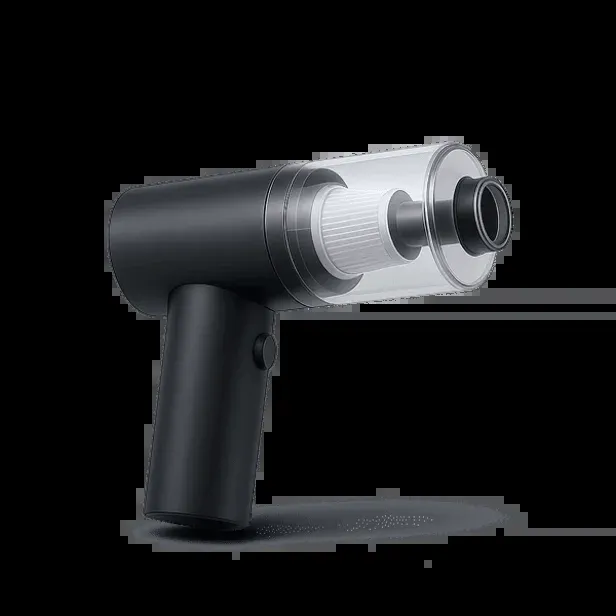
Our pick: the DustaClean Handheld Vacuum
Cordless, USB-rechargeable mini vacuum under 1 lb with HEPA filtration, 2 nozzles and up to 30 minutes per charge.
Check today's price →$69.99, or from $49.99 each in bundles
Why do bathroom exhaust fans get so dusty?
- Lint from towels floats in the air and gets pulled into the fan
- Dust and hair are drawn in every time it runs
- Moisture makes dust stick and cake on
- Hairspray and aerosols leave a sticky film
- It's out of sight, so most people forget about it
What safety steps come first?
- Turn off the fan and the power at the breaker if you'll touch the motor area.
- Use a sturdy step stool or ladder and keep three points of contact.
- Wear safety glasses and a dust mask; dust falls straight down.
- Don't spray liquids into the motor or wiring.
How do you clean a bathroom exhaust fan step by step?
- Lay a towel on the floor or tub below the fan.
- Vacuum the grille first, while it's still attached, to remove loose dust.
- Remove the cover: pull it down an inch or two, then squeeze the spring clips together to release it. Some covers have a center screw.
- Wash the cover in warm water with dish soap. Scrub with a soft brush, rinse and let it dry completely.
- Vacuum the housing, fan blades and any visible duct opening with a brush nozzle.
- Wipe the blades with a slightly damp microfiber cloth. For sticky film, add a drop of dish soap.
- Let everything dry.
- Reattach the cover, restore power and test.
Our pick: the DustaClean Handheld Vacuum
Cordless, USB-rechargeable mini vacuum under 1 lb with HEPA filtration, 2 nozzles and up to 30 minutes per charge.
Check today's price →$69.99, or from $49.99 each in bundles
How do you deep clean the motor and blades?
Some fans have a motor and blade assembly that unplugs and lifts out after removing a screw or two. If yours does, and you're comfortable, you can lift it out to clean the blades thoroughly. Don't get the motor wet, and take photos before you remove anything so you can put it back correctly. If the fan is old or you're unsure, a handyman or electrician can do this.
How do you test if the fan is working?
- Tissue test: hold a single tissue or square of toilet paper near the grille while the fan runs. It should be pulled toward the fan and held there.
- Mirror test: after a hot shower with the fan running, the mirror should clear within about 15 to 20 minutes.
- Listen: a smooth hum is normal; rattling or grinding isn't.
What do common fan problems mean?
| Problem | Likely cause |
|---|---|
| Weak airflow | Dust buildup, blocked duct or crushed vent hose |
| Loud rattling | Loose cover, worn motor or debris on blades |
| Humming but not spinning | Stuck or failing motor |
| Water dripping from fan | Condensation in the duct, often in cold attics |
| Musty smell | Not running long enough, or mold near the fan |
What about the duct and outside vent?
The fan should vent to the outside, not into the attic. Check that the outside flap opens freely and isn't blocked by leaves, nests or snow. A crushed or disconnected duct reduces airflow and can cause moisture problems in the attic. If you suspect a duct issue, have it checked. For other vents in the home, see how to clean air vents.
How long should you run the fan?
Run the fan during your shower and for about 20 to 30 minutes afterward to remove moisture. A timer switch or humidity-sensing fan does this automatically. Moisture control is one of the best ways to prevent mold; the EPA's guide to mold and moisture explains why. See also pink mold in the shower.
How often should you clean the fan?
- Monthly: quick vacuum of the grille
- Every 6 to 12 months: remove and wash the cover, clean the blades
- Yearly: check the outside vent flap
Add it to your bathroom cleaning checklist.
When should you replace the fan?
- it's still loud or weak after cleaning
- the motor hums but won't spin
- it's very old and uses a lot of energy
- it's too small for the bathroom
Newer fans are often quieter and more efficient. An electrician can replace one in an existing housing.
Does a clean fan help with dust and allergies?
It can. A clean fan removes humidity better, which helps control mold and dust mites, and a clean grille doesn't drop dust onto counters. Pair it with regular vacuuming using good filtration. The EPA explains what a HEPA filter is. See dust allergy cleaning tips.
Where does DustaClean fit in?
A light handheld vacuum is the easiest tool for fans and other high spots: you can hold it overhead on a step stool without a hose or cord pulling at you. DustaClean weighs under 1 lb, has HEPA filtration so fine dust isn't blown back out, two nozzles and about 30 minutes of run time. It's $69.99, or from $49.99 each in bundles. Read our DustaClean review. For the ceiling fans elsewhere in the house, see how to clean a ceiling fan.
What if the fan has a built-in light?
Many bathroom fans include a light. Turn off the power at the breaker before cleaning, let the bulb cool and remove the light cover separately. Wash the glass or plastic cover in warm, soapy water and dry it completely. Wipe the bulb gently with a dry cloth when cool. Replace the bulb with one of the same type and wattage listed on the fixture.
What if there's mold on the fan cover?
Gray or black spots on the grille usually mean the bathroom stays humid too long. Wash the cover in warm, soapy water and dry it fully. Wipe the ceiling around the fan with a damp cloth and mild cleaner, following the product label, and keep the room ventilated while you work. Then run the fan longer after showers. If mold keeps coming back or covers a large area, the fan may be undersized or the duct may be blocked.
Is your fan the right size?
Bathroom fans are rated in cubic feet per minute (CFM). A common rule of thumb is at least 1 CFM per square foot of bathroom floor for standard ceiling heights, with a minimum of about 50 CFM. Large bathrooms, high ceilings or separate shower and toilet areas may need more. If your mirror stays fogged long after showers even with a clean fan, it may be too small.
How can you make the fan quieter?
- clean dust from the blades so they spin evenly
- tighten the cover and any loose screws
- check that the duct isn't kinked or rattling against framing
- replace an old fan with a model rated for low noise (measured in sones)
What other bathroom spots collect dust?
The top of the mirror, light fixtures, the tops of cabinets and the baseboards all collect a mix of dust and lint from towels. Dust them while you have the step stool out. See how to reduce dust in the house.
Is it worth doing before guests arrive?
Yes. A dusty grille is one of the first things people notice when they look up in a small bathroom, and a clean fan clears steam faster when several guests shower in a row. Add it to your pre-holiday routine; see how to clean a bathroom before guests.
What tools do you need?
- a step stool or small ladder
- a handheld vacuum or vacuum with a brush nozzle
- microfiber cloths and dish soap
- an old toothbrush for the grille
- a screwdriver, if your cover has a center screw
- safety glasses and a dust mask
The bottom line
To clean a bathroom exhaust fan:
- turn off the power and use a sturdy step stool
- remove and wash the cover in warm, soapy water
- vacuum and wipe the housing and blades
- test airflow with a tissue and check the outside vent
- clean every 6 to 12 months and run the fan 20 to 30 minutes after showers
DustaClean is a handheld vacuum under 1 lb with HEPA filtration and two nozzles, $69.99 or from $49.99 each in bundles.
Our pick: the DustaClean Handheld Vacuum
Cordless, USB-rechargeable mini vacuum under 1 lb with HEPA filtration, 2 nozzles and up to 30 minutes per charge.
Check today's price →$69.99, or from $49.99 each in bundles
Frequently asked questions
How do you clean a bathroom fan without removing it?
Vacuum the grille with a brush nozzle and wipe it with a damp cloth, with the fan turned off.
How often should you clean a bathroom exhaust fan?
Vacuum the grille monthly and remove and wash the cover every 6 to 12 months.
Why is my bathroom fan so loud?
Dust on the blades, a loose cover or a worn motor. Clean it first; replace it if the noise continues.
How do I know if my bathroom fan is working?
Hold a tissue near the grille while it runs. It should be pulled up and held against the grille.
How long should I run the bathroom fan after a shower?
About 20 to 30 minutes to remove moisture.
Do I need to turn off the power to clean the fan?
Yes. Turn off the switch and, ideally, the breaker before reaching into the housing.

Michelle Hert
Michelle looks into the cleaning products that go viral in ads, from toilet foams to mini vacuums and drain cleaners. She reads the product pages, checkout and return policies, trusted safety sources and buyer feedback so you know what a product really does before you buy it. Her reviews are built on manufacturer information, official checkout and return policies, trusted safety sources and buyer feedback, and are updated when offers change. More about Michelle.