You dust on Saturday and by Wednesday it's back. "How to reduce dust in house" is searched thousands of times a month in the US, and for good reason: dust makes a home look dirty fast and can make allergies and asthma worse.
In this guide we explain where household dust comes from, the cleaning habits that actually reduce it, the role of HEPA filters and humidity, and the simple tools that make keeping up much easier.
General cleaning information, not medical advice. If you have allergies or asthma, talk to your doctor or an allergist.
What is household dust made of?
According to the American College of Allergy, Asthma and Immunology, household dust can include pet hair and dander, mold and pollen spores, and dust mite and cockroach particles. It also includes skin flakes, fabric fibers from clothes, bedding and furniture, and soil tracked in from outside.
That's why dust never disappears for good: new dust is created every day. The goal is to remove it faster than it builds up and to cut it off at the source.
Why is my house so dusty?
- Pets shed hair and dander.
- Carpets, rugs and upholstery trap and release dust.
- Clutter gives dust more places to settle.
- Bedding collects skin flakes and dust mites.
- Dry air keeps dust floating; very humid air helps dust mites thrive.
- Old HVAC filters let dust circulate.
- Open windows and shoes bring in pollen and dirt.
- Dusting the wrong way, with dry cloths and feather dusters that just move dust into the air.
Which 15 tips reduce dust that actually work?
- Dust from top to bottom. Ceiling fans, shelves and frames first, floors last.
- Use a damp or microfiber cloth. The ACAAI recommends cleaning hard surfaces with a wet mop or cloth to avoid stirring allergens into the air.
- Vacuum with a HEPA filter. The ACAAI recommends a central vacuum or one with a HEPA filter.
- Vacuum often, not just hard. Frequent light cleaning beats an occasional deep clean.
- Wash bedding weekly in hot water.
- Keep humidity below 55 percent. The ACAAI notes dust mites die when humidity falls below 50 percent.
- Change HVAC filters on schedule and choose a good-quality filter.
- Use doormats inside and outside every entrance.
- Take shoes off at the door.
- Declutter surfaces so there's less to dust.
- Groom pets regularly, ideally outside.
- Vacuum upholstery and mattresses.
- Don't forget the hidden spots: blinds, vents, baseboards, under furniture and behind electronics.
- Use allergen-proof covers on pillows and mattresses if you have dust allergies.
- Make it a habit. Five minutes a day beats two hours on Saturday.
Why do HEPA filters matter?
When a vacuum's filter isn't fine enough, it picks up dust from the floor and blows the smallest particles back into the air, where they settle again on your furniture. A HEPA filter traps those fine particles. The EPA explains that a true HEPA filter can theoretically remove at least 99.97% of airborne particles like dust, pollen and mold at 0.3 microns, the hardest size to catch.
That's why allergy experts recommend HEPA vacuums, and why it's worth choosing even your small vacuum with a HEPA filter.
Which tools make dust control easier?
| Tool | What it's best for |
|---|---|
| Microfiber cloths | Trapping dust on hard surfaces |
| Cordless HEPA mini vacuum | Blinds, vents, shelves, stairs, couches, cars, keyboards |
| Simple robot vacuum | Daily floor upkeep, under beds and sofas |
| Full-size HEPA vacuum | Weekly carpet and whole-house cleaning |
| Dehumidifier or AC | Keeping humidity in check |
| Good HVAC filter | Catching dust as air circulates |
The tools that make the biggest difference are the ones you use every day, because dust control is about frequency. That's where a mini vacuum and a robot vacuum shine.
Why is a mini HEPA vacuum a dust-fighting secret weapon?
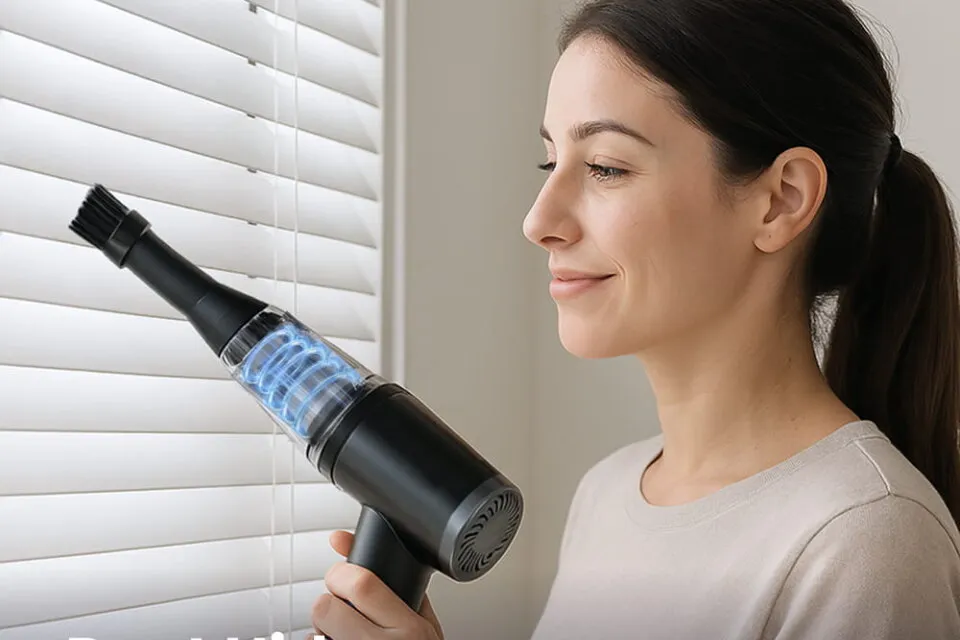
Most dust collects in places a big vacuum is too clumsy for: blinds, vents, window sills, shelves, baseboards, stairs and behind electronics. A cordless mini vacuum lets you hit those spots in seconds, so you actually do it.
Our pick is DustaClean. According to DustaClean, it weighs just under a pound, has about 3,500 Pa of suction, a washable HEPA filter, a slim crevice nozzle and a brush nozzle, and runs up to 30 minutes on a USB charge. Read our full DustaClean review.
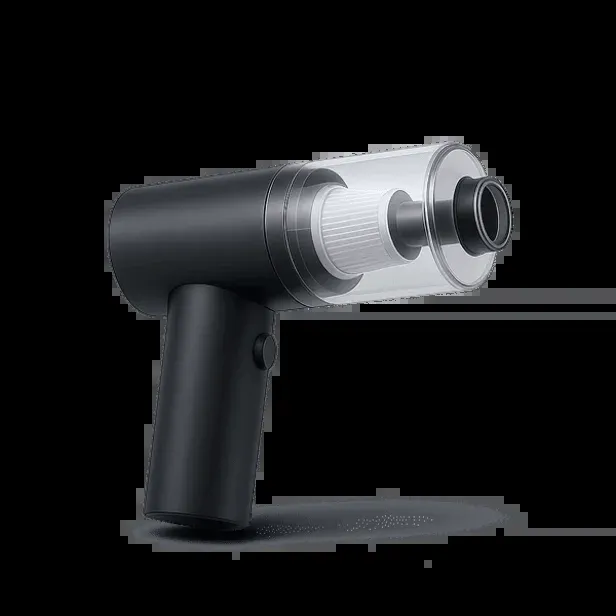
Our pick: the DustaClean Handheld Vacuum
Cordless, USB-rechargeable mini vacuum under 1 lb with HEPA filtration, 2 nozzles and up to 30 minutes per charge.
Check today's price →$69.99, or from $49.99 each in bundles

Should you add a robot vacuum?
Floors collect dust, hair and crumbs every day. A small robot vacuum running daily keeps them from building up and saves you from bending and pushing a heavy vacuum. You don't need an expensive smart model; a simple one-button robot that fits under beds and sofas covers most daily upkeep. See are robot vacuums worth it? and our DustaPro review.
How do you reduce dust in the bedroom?
- Wash sheets and pillowcases weekly in hot water.
- Use allergen-proof covers on mattresses and pillows.
- Keep pets off the bed if you have allergies.
- Limit decorative pillows, throws and stuffed toys that collect dust.
- Vacuum under the bed weekly, or let a slim robot vacuum do it.
- Keep surfaces clear so they're quick to wipe.
How do you reduce dust with pets?
Pets add hair and dander every day, so frequency matters most. Brush pets outside, wash their bedding weekly, vacuum their favorite spots often and keep a mini vacuum with a brush nozzle handy for couches and car seats. A robot vacuum running daily keeps shedding from piling up on floors.
What does a simple dust-control routine look like?
| How often | What to do |
|---|---|
| Daily | Run a robot vacuum; quick mini-vacuum of crumbs and pet hair |
| Weekly | Damp-dust surfaces, vacuum carpets and upholstery, wash bedding |
| Monthly | Blinds, vents, baseboards, behind furniture and electronics |
| Every 1 to 3 months | Change HVAC filters (follow the manufacturer) |
Keeping the bathroom fresh is part of the same routine; see how to clean a toilet the easy way and our FizzClean review.
What are the most common dusting mistakes?
- Using a feather duster or dry cloth that spreads dust into the air.
- Dusting after vacuuming, so dust falls onto clean floors.
- Using a vacuum without a good filter.
- Ignoring humidity.
- Forgetting HVAC filters.
- Cleaning in big, rare sessions instead of small, frequent ones.
Do air purifiers help with dust?
Air purifiers with true HEPA filters can capture fine particles floating in the air, which helps with dust and allergens, especially in bedrooms. They don't remove dust that has already settled on surfaces and floors, though, so they work best alongside regular damp dusting and HEPA vacuuming. Choose one sized for your room, and replace the filter on schedule.
Does dust get worse in certain seasons?
Many homes notice more dust in winter, when heating runs, windows stay closed and air is dry, and in spring and fall, when pollen comes in through doors and windows. Changing HVAC filters before heating and cooling season, using doormats, and keeping a mini vacuum handy for window sills during pollen season all help.
How do you reduce dust in kids' rooms?
- Store toys in closed bins instead of open shelves.
- Limit stuffed animals on the bed, and wash them regularly.
- Vacuum under the bed weekly.
- Choose washable curtains or blinds you can wipe easily.
- Run a robot vacuum daily if there's room on the floor.
How do you dust electronics safely?
Dust builds up on TVs, game consoles, computers and chargers, and inside vents it can make devices run hotter. Turn devices off first. Wipe screens with a dry microfiber cloth, and use a mini vacuum on a gentle setting with a brush nozzle for keyboards and vents. Avoid spraying liquids directly on electronics.
What is the 5-minute daily dust habit?
Every day, take five minutes: run the robot vacuum, give one surface a damp wipe and use the mini vacuum on one hot spot, such as the couch, the stairs or the entryway. Rotating spots means every area gets attention each week without ever feeling like a big job. For the bathroom, add a weekly no-scrub toilet clean with FizzClean.
How do you stop dust at the entryway?
A big share of household dirt walks in on shoes and paws. Use a coarse mat outside and an absorbent mat inside every door, take shoes off at the entrance and keep a towel by the door for pets' paws. Vacuum the entryway mats a few times a week, since they hold the dirt you'd otherwise find on your floors.
What HVAC filter should you use?
A higher-efficiency pleated filter catches more fine dust than a basic fiberglass one, but check that your system is designed for it. Change it on the schedule recommended by the manufacturer, or more often if you have pets or recent renovations.
Write the change date on the filter frame with a marker so you always know when it's due.
Small habits like these, repeated every week, make a bigger difference than any single deep-cleaning day.
The bottom line
You can't stop dust from forming, but you can stop it from building up. Dust from top to bottom with a damp cloth, vacuum with a HEPA filter, wash bedding weekly, keep humidity in check and make cleaning small and frequent. A cordless HEPA mini vacuum and a simple robot vacuum make that easy.
Our pick for tight spots, blinds, stairs and couches is DustaClean. Check today's DustaClean price.
Sources
- American College of Allergy, Asthma and Immunology. Dust Allergy.
- U.S. Environmental Protection Agency. What is a HEPA filter?
- Official DustaClean product page, checked October 2026.
Frequently asked questions
Why is my house so dusty?
Dust is a mix of skin flakes, fabric fibers, pet dander, pollen, soil tracked in from outside and dust mite debris. Pets, carpets, clutter, dry air, open windows and old HVAC filters all make it worse.
What is the best way to remove dust?
Dust from top to bottom with a damp or microfiber cloth, then vacuum with a HEPA-filter vacuum. Dry dusters and feather dusters tend to push dust into the air.
Do HEPA vacuums reduce dust?
Yes. Allergy experts recommend vacuums with HEPA filters because they trap fine particles instead of blowing them back into the room.
Does humidity affect dust?
Dust mites thrive in humid air. The ACAAI recommends keeping indoor humidity below 55 percent, and notes dust mites die below 50 percent.
How often should I dust?
Once a week for most homes, more often in bedrooms, homes with pets and for anyone with allergies.
Do robot vacuums help with dust?
A small robot vacuum running every day keeps dust and pet hair on floors from building up between deep cleans.
What's the easiest tool for dusting tight spots?
A cordless mini vacuum with a crevice and brush nozzle. Our pick is DustaClean, with HEPA filtration and up to 30 minutes per charge.

Michelle Hert
Michelle looks into the cleaning products that go viral in ads, from toilet foams to mini vacuums and drain cleaners. She reads the product pages, checkout and return policies, trusted safety sources and buyer feedback so you know what a product really does before you buy it. Her reviews are built on manufacturer information, official checkout and return policies, trusted safety sources and buyer feedback, and are updated when offers change. More about Michelle.