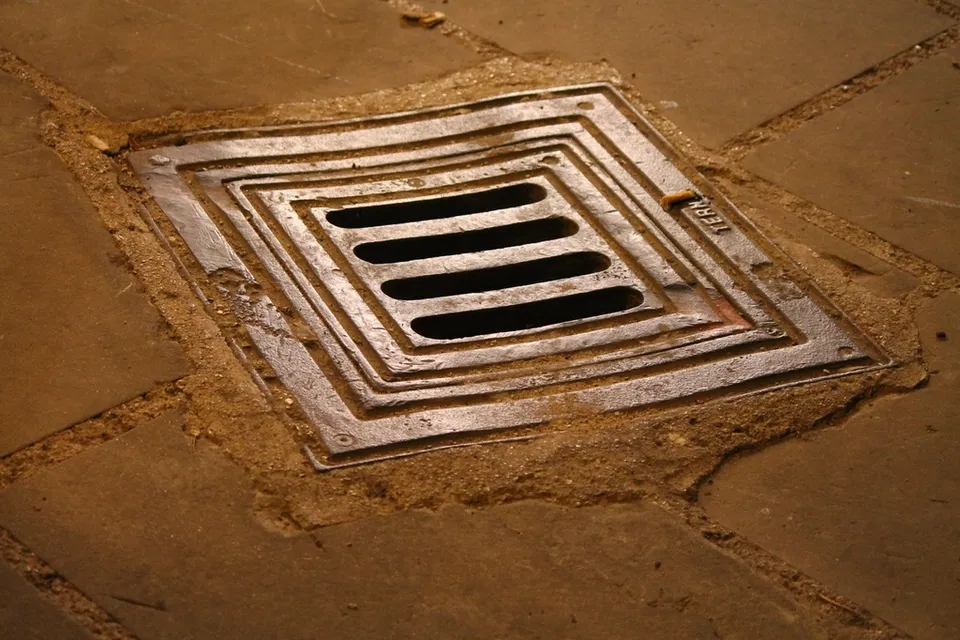
- Remove the grate (lift it or unscrew it) and scrub it with a brush and soapy water.
- Pull out debris by hand with gloves: lint, hair, dirt and leaves.
- Flush with hot water to check how well it drains.
- Use a foaming drain cleaner for slow drains, following the label.
- Run a drain snake if water still backs up.
- Refill the trap with water monthly so sewer gas can't escape.
Most basements have a floor drain, usually near the water heater, furnace, washing machine or laundry sink. It's there to carry away water from leaks, condensation and overflows, and in some homes it's the last defense against a flooded basement. Because it's rarely used, it's easy to forget until it smells like sewage or water pools around it. A basement floor drain needs a little attention a few times a year: clearing debris, keeping the trap full and making sure it drains freely. This guide explains how basement floor drains work, why they smell, how to clean and unclog them, how to deal with backups, how to prevent problems and when to call a plumber.
In this guide:
- how basement floor drains work
- why they smell
- cleaning step by step
- unclogging a slow drain
- backups and flooding
- prevention and when to call a plumber
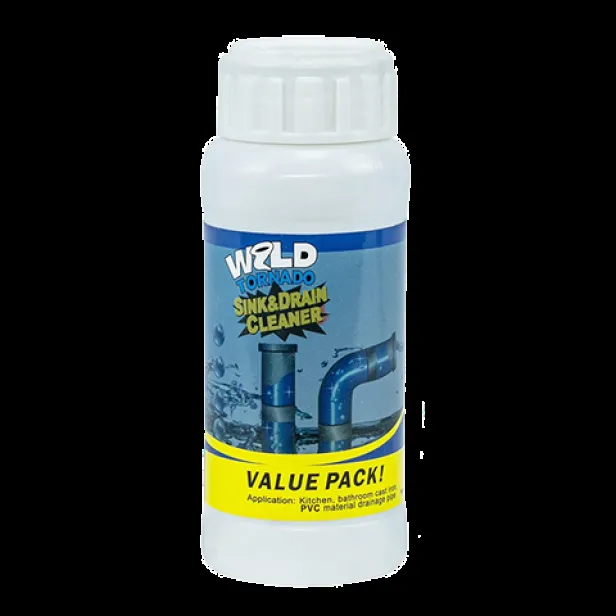
Our pick: the SavingStars Drain Cleaner
Foaming drain cleaner powder for hair, grease and soap scum. Pour, add hot water, wait 20 minutes, flush.
Check today's price →$12.99, or from $6.99 each in bundles
How does a basement floor drain work?
Below the grate is a trap, a curved section of pipe that holds water. That water forms a seal that blocks sewer gas from coming up into the basement. The drain connects to your home's sewer line or, in some homes, to a sump or storm system. Some drains have a backwater valve to prevent sewage from flowing back in during heavy storms.
Why does my basement floor drain smell?
| Cause | Fix |
|---|---|
| Dry trap (water evaporated) | Pour a gallon of water into the drain; repeat monthly |
| Debris and sludge in the drain | Clean the grate and remove buildup |
| Partial clog | Flush, use a drain cleaner or snake |
| Venting problem | Have a plumber check the vent |
| Sewer line issue | Professional inspection |
A dry trap is by far the most common cause. See sewer smells and gurgling drains for related problems.
How do you clean a basement floor drain step by step?
- Put on gloves and have a bucket, brush and flashlight ready.
- Remove the grate: lift it out or unscrew it.
- Scrub the grate with hot, soapy water and a stiff brush.
- Remove debris from the opening by hand or with a small scoop: lint, hair, mud, leaves.
- Flush with a bucket of hot water and watch how quickly it drains.
- Treat buildup with a foaming drain cleaner if it drains slowly.
- Replace the grate and pour in another gallon of water to refill the trap.
Our pick: the SavingStars Drain Cleaner
Foaming drain cleaner powder for hair, grease and soap scum. Pour, add hot water, wait 20 minutes, flush.
Check today's price →$12.99, or from $6.99 each in bundles
How do you unclog a slow basement drain?
- Hot water and dish soap: helps with soap scum and grease
- Foaming drain cleaner: follow the label; don't mix with other products
- Plunger: a flat-bottomed plunger can work on floor drains
- Drain snake: feed it in to break up clogs past the trap
- Wet/dry vacuum: can suck out debris and standing water
Never mix drain cleaners with each other or with bleach. Poison Control explains what's in drain cleaners and why care is needed. See also how to unclog a drain without chemicals.
Does the washing machine affect the floor drain?
Often, yes. If the washer or laundry sink drains near the floor drain, lint and soap residue end up there. A lint trap on the washer hose helps. See how to unclog a laundry sink and washing machine drain clogs.
What if water backs up from the floor drain?
- stop using water in the house: no flushing, laundry or showers
- move belongings away from the water
- don't touch sewage without gloves and boots
- call a plumber; a backup usually means a clog in the main line
- clean and disinfect the area after the water is removed
If water from the floor drain smells like sewage, it may contain bacteria. The EPA's guide to mold and moisture explains how to dry out wet areas quickly to prevent mold.
How do you prevent problems?
- pour a gallon of water into the drain once a month to keep the trap full
- clean the grate every few months
- keep boxes and storage away from the drain
- don't pour paint, grease, mud or cat litter down it
- consider a backwater valve if your area floods
- keep gutters and downspouts directing water away from the foundation
Do basement drains have winter problems?
In cold weather, unheated basements can make drains sluggish, and a furnace or dehumidifier running more can dry out the trap faster. Check the drain monthly in winter and keep the area above freezing. See winter drain problems.
What about drain flies?
Small, fuzzy flies near a basement drain usually breed in the slimy buildup inside. Clean the grate and drain thoroughly, scrub the sides with a long brush and keep it flushed. See how to get rid of drain flies.
When should you call a plumber?
- water backs up from the floor drain
- the drain stays slow after cleaning and snaking
- you smell sewage even with a full trap
- other drains in the house gurgle or drain slowly
- you see cracks or rust around the drain
Where does SavingStars fit in?
Basement drains collect a mix of lint, soap scum, hair and sludge, which is what foaming drain powders target. SavingStars is a foaming drain powder: pour it into the drain, add about 1 liter of hot water, wait 20 minutes and flush. Use it on its own, without mixing it with other cleaners. It's $12.99, or from $6.99 each in bundles. Read our SavingStars review.
What types of basement drains are there?
| Drain | What it does |
|---|---|
| Floor drain with trap | Connects to the sewer; needs water in the trap |
| Drain to a sump pit | Water goes to a sump pump that pumps it out |
| Laundry standpipe | Takes washer discharge |
| Trench drain | Long channel, often near garage or walkout doors |
Know which one you have before using chemicals, since a drain to a sump pit doesn't need a trap refill and may not suit some drain cleaners.
What is a trap primer?
Some newer homes have a trap primer, a small device that adds water to the floor drain trap automatically so it never dries out. If yours has one and the drain still smells, the primer may not be working. A plumber can check it.
Can you pour mineral oil in the drain to stop evaporation?
Some people pour a small amount of mineral oil on top of the water in the trap after refilling it. The thin oil layer slows evaporation, so the trap stays full longer. Use only a little, and don't do this if the drain goes to a sump pump or septic system without checking first.
What if you have a septic system?
Use septic-safe cleaners and avoid pouring large amounts of chemicals down the drain. Enzyme cleaners are a gentle option for regular maintenance. The EPA explains how to care for a septic system. See drain cleaners for septic systems.
What's a simple maintenance schedule?
- Monthly: pour in a gallon of water and check for smells
- Every 3 months: remove the grate, scrub it and clear debris
- Twice a year: flush with hot water and a foaming cleaner
- Before storm season: check the backwater valve and sump pump if you have them
Add it to your drain prevention routine.
What if your basement has a sump pump?
A sump pump removes groundwater from a pit, usually in the lowest part of the basement. Test it before the rainy season by pouring water into the pit until the float rises and the pump turns on. Clear debris from the pit, check that the discharge line outside isn't blocked or frozen and consider a battery backup if you lose power during storms.
How do you clean the floor around the drain?
After cleaning the drain, mop the floor around it with warm water and a little dish soap, then let it dry. If there was a backup, disinfect the area following the product label and dry it quickly with fans and a dehumidifier to prevent mold.
Should you cover the floor drain?
A solid cover can stop odors and insects, but it also stops the drain from doing its job during a leak or overflow. Keep a grate in place, keep the trap full and use a drain with a one-way valve insert if odors are a constant problem.
What protective gear should you wear?
Wear rubber gloves and closed shoes, and add safety glasses when using drain cleaners or a snake. Wash your hands and tools afterward, since basement drains can carry bacteria from the sewer line.
The bottom line
To clean a basement floor drain:
- remove and scrub the grate and pull out debris
- flush with hot water and treat slow drains with a foaming cleaner or snake
- refill the trap with water monthly to stop sewer smells
- keep lint, paint and grease out of the drain
- call a plumber for backups or sewage smells that won't go away
SavingStars foaming powder targets soap scum, hair and lint buildup, $12.99 or from $6.99 each in bundles.
Our pick: the SavingStars Drain Cleaner
Foaming drain cleaner powder for hair, grease and soap scum. Pour, add hot water, wait 20 minutes, flush.
Check today's price →$12.99, or from $6.99 each in bundles
Frequently asked questions
Why does my basement floor drain smell like sewage?
Usually because the trap has dried out. Pour a gallon of water into the drain to restore the seal.
How often should I pour water down a basement drain?
About once a month, more often in winter when the air is dry.
How do I unclog a basement floor drain?
Remove debris, flush with hot water, use a foaming drain cleaner or a drain snake, and call a plumber if it backs up.
Can I use drain cleaner in a floor drain?
Yes, following the label. Never mix drain cleaners with each other or with bleach.
What causes a basement floor drain to back up?
Often a clog in the main sewer line, which needs a plumber.
How do I get rid of drain flies near a floor drain?
Clean the grate and scrub buildup inside the drain, then keep it flushed.

Michelle Hert
Michelle looks into the cleaning products that go viral in ads, from toilet foams to mini vacuums and drain cleaners. She reads the product pages, checkout and return policies, trusted safety sources and buyer feedback so you know what a product really does before you buy it. Her reviews are built on manufacturer information, official checkout and return policies, trusted safety sources and buyer feedback, and are updated when offers change. More about Michelle.