
- Good edge cleaning for crumbs along cabinets and baseboards.
- A low profile to reach under kitchen islands, beds and sofas.
- Simple controls so it actually gets used every day.
- Quiet operation, since tile rooms echo.
Tile is common in kitchens, bathrooms, entryways and many homes in warm climates. It's durable and easy to clean, but it shows every crumb, hair and dusty footprint. Because dirt sits on top rather than sinking in, tile is one of the best surfaces for a robot vacuum: a daily run can keep it looking swept with almost no effort.
This guide explains how robot vacuums perform on tile, what features matter, what they can't do (like grout), how to combine them with mopping and how to set up a routine that keeps tile floors clean.
Are robot vacuums good on tile?
Yes. On tile, even a robot with modest suction picks up most everyday debris: crumbs, sand, dust, pet hair and hair from people. The flat surface lets the robot move smoothly, and there's no thick pile for dirt to hide in. The main things to watch are high thresholds between rooms, grout lines and sticky spills.
Which features matter for tile floors?
| Feature | Why it matters on tile |
|---|---|
| Edge brushes | Pull crumbs from baseboards and cabinet kicks |
| Low height | Reaches under islands, beds and sofas |
| Quiet motor | Tile and hard walls amplify sound |
| Simple operation | Easy to run daily, which is what keeps tile clean |
| Easy-empty dustbin | Tile kitchens produce a lot of crumbs |
| Threshold handling | Moves between tile and other floors |
Suction numbers matter much less on tile than on carpet. On a hard, flat floor, a well-designed brush and airflow pick up most surface debris.
Is DustaPro good for tile?
DustaPro is designed for exactly this kind of daily job. It's one-button, with no app or WiFi to set up, about 2.8 in tall so it slides under furniture, runs at up to 60 dB and charges via USB. Its suction is about 450 Pa, which is suited to daily maintenance of hard floors like tile, laminate, vinyl and hardwood, plus low rugs. It isn't built for deep carpet cleaning, but on tile its job is to keep up with crumbs, dust and hair between deeper cleans. Read our DustaPro review.
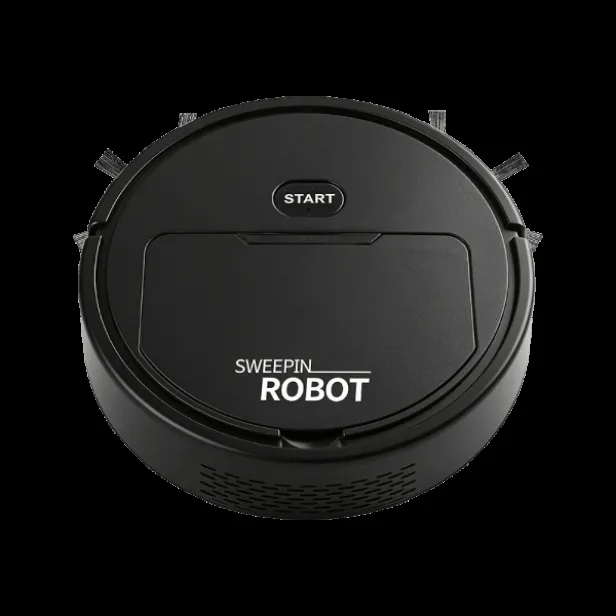
Keep tile floors crumb-free daily
DustaPro: one button, no app, no WiFi, about 2.8 in tall, up to 60 dB, USB charging. Built for daily upkeep of hard floors and low rugs. $69.99, or from $49.99 each in bundles.
Check today's price →$69.99, or from $49.99 each in bundles
Can a robot vacuum clean grout?
Not deeply. A robot vacuum picks up loose debris sitting in grout lines, but it can't scrub stains or grime set into the grout. For that, mop regularly and scrub grout every few months with a grout brush and cleaner. Sealing grout after cleaning helps it resist stains. Think of the robot as daily maintenance and the mop and brush as the deeper clean.
Do you still need to mop tile?
Yes. Vacuuming removes dry debris; mopping removes sticky spills, footprints and grease, especially in kitchens. A good rhythm is:
- Daily: robot vacuum run.
- Weekly: mop kitchens and bathrooms.
- Every few months: scrub and reseal grout.
Vacuuming before mopping means you're not just pushing crumbs around with a wet mop. See how to clean hardwood floors for a similar routine on wood.
How do you prepare a tile room for the robot?
- Pick up cords, shoes and small objects.
- Move kitchen chairs onto the table or out of the way so it can reach underneath.
- Wipe up wet spills first; robots shouldn't vacuum liquids.
- Remove light bath mats with tassels, or tuck them away during runs.
- Check that pet bowls are out of its path.
Which tile rooms benefit most?
| Room | Typical debris | Tip |
|---|---|---|
| Kitchen | Crumbs, food bits, pet food | Run after dinner |
| Bathroom | Hair, dust, lint | Run with the door open after the floor is dry |
| Entryway | Sand, grit, leaves | Use a doormat; run daily |
| Living areas | Dust, pet hair | Run while you're out |
Is it good for pet hair on tile?
Yes. Pet hair floats across tile and collects in corners and under furniture. Daily robot runs catch it before it forms tumbleweeds. Empty the bin and clean the brush of wrapped hair regularly. More in robot vacuum for pet hair and how to get rid of pet hair.
Will a robot vacuum scratch tile?
Ceramic and porcelain tile are hard and resist scratches from normal use. Grit stuck to wheels is the main risk on softer stone like marble, so keep the robot's wheels and underside clean and vacuum entryways often. Wiping the wheels every couple of weeks is part of good robot vacuum maintenance.
Is tile easier than hardwood for robots?
Both are great surfaces for robot vacuums. Tile is more forgiving with water and grit; hardwood shows dust more and benefits from frequent runs to prevent scratches from grit. Many homes have both, and a simple robot handles both well. See robot vacuum for hardwood floors.
Is a robot vacuum worth it for a tile home?
For many households, yes, especially kitchens, families with kids and pet owners. The daily run keeps tile looking clean and makes weekly mopping easier. If most of your home is tile with a few low rugs, a simple robot covers the daily job without extra complexity. See are robot vacuums worth it?
How much does DustaPro cost?
DustaPro is $69.99 for one, $59.99 each for two, $54.99 each for three and $49.99 each for four. Returns are accepted within 30 days for unused products in original packaging; defective items can be replaced or refunded.
Does daily vacuuming on tile help allergies?
Tile doesn't hold dust deep inside, so daily vacuuming removes dust and pet dander before it is kicked back into the air. The ACAAI recommends reducing dust at home for people with dust allergies, and the EPA notes that indoor dust is part of overall air quality. See dust allergy cleaning tips.
What about thresholds between rooms?
Many tile rooms meet other floors at a small threshold strip. Low-profile robots can struggle with tall thresholds. If yours gets stuck, run it in one room at a time and carry it to the next, or add small threshold ramps. Shutting doors to rooms you don't want cleaned also keeps runs short and focused.
What's a good routine for tile homes?
| When | Task |
|---|---|
| Daily | Robot vacuum in the kitchen and busy areas |
| After each run | Empty the dustbin |
| Weekly | Mop kitchen and bathroom tile; clean the robot's brush |
| Monthly | Wipe the robot's sensors and wheels; clean baseboards |
| Every 3 to 6 months | Scrub grout and reseal if needed |
See robot vacuum cleaning schedule and how to clean baseboards.
Does tile size matter?
Large-format tiles with thin grout lines are the easiest for robots, since there are fewer grooves to catch debris. Small mosaic tiles in bathrooms have many grout lines, which collect more dirt; the robot still picks up loose debris, but you may want to mop more often. Textured or rough tiles (common outdoors and in entryways) hold grit, so vacuum them daily.
Can it handle spills?
No vacuum-only robot should pick up liquids. Wipe up wet spills, sticky juice and pet accidents before running it. Dry crumbs from spilled cereal or rice are no problem.
Is it good for small tiled apartments?
Very. Small apartments with tile or vinyl floors can be covered in one run, and a compact robot stores easily under a bed or sofa. See robot vacuum for a small apartment.
Why does noise matter more on tile?
Hard floors and bare walls reflect sound, so appliances seem louder in tiled kitchens and bathrooms. A quiet robot can run while you cook, work from home or watch TV without becoming annoying. DustaPro runs at up to 60 dB, about the level of normal conversation.
How does it help in a busy kitchen?
Kitchens produce crumbs all day: toast, cereal, chopped vegetables, pet kibble. Running the robot after dinner picks them up before they get tracked through the house. Empty the bin after the run, and you start every morning with a clean floor without reaching for a broom.
What if it isn't right for your floors?
DustaPro has a 30-day return window for unused products in original packaging, and defective units can be replaced or refunded. Before opening it, measure the gap under your furniture and check thresholds between rooms, so you know it suits your layout. Since it's built for hard floors like tile, most tiled homes are a natural fit.
The bottom line
Tile is one of the best floors for a robot vacuum: dirt sits on the surface and a daily run keeps it looking swept. Choose a simple, low-profile, quiet robot, clear the floor before runs, and keep mopping and grout cleaning for deeper care.
For daily crumbs, dust and hair on tile, our pick is DustaPro. Check today's DustaPro price.
Sources
- U.S. Environmental Protection Agency. Introduction to Indoor Air Quality.
- American College of Allergy, Asthma and Immunology. Dust Allergies.
- Official DustaPro product page, checked October 2026.
Frequently asked questions
Do robot vacuums work on tile?
Yes, tile is flat and hard, so dirt sits on top where a robot easily picks it up.
Can a robot vacuum clean grout?
It picks up loose debris but can't scrub stained grout; mop and scrub grout separately.
Do I still need to mop tile?
Yes, weekly in kitchens and bathrooms for spills and footprints.
Will a robot vacuum scratch tile?
Ceramic and porcelain resist scratches; keep wheels free of grit.
Is suction important on tile?
Less than on carpet; brushes and airflow handle most surface debris.
Is DustaPro good for tile?
Yes, it's built for daily maintenance of hard floors like tile and low rugs.

Michelle Hert
Michelle looks into the cleaning products that go viral in ads, from toilet foams to mini vacuums and drain cleaners. She reads the product pages, checkout and return policies, trusted safety sources and buyer feedback so you know what a product really does before you buy it. Her reviews are built on manufacturer information, official checkout and return policies, trusted safety sources and buyer feedback, and are updated when offers change. More about Michelle.