
- Grease clogs: holiday cooking sends more grease down kitchen drains, and it hardens faster in cold pipes.
- Frozen pipes: pipes in unheated areas or outside walls can freeze, so drains back up or stop.
- Slow bathroom drains: more hot showers and guests mean more hair and soap scum.
- Outdoor drains: leaves and ice block gutters and yard drains.
- Septic strain: extra guests and laundry add load.
Drains have a harder time in winter. Cold pipes make grease harden faster, holidays bring extra cooking and guests, and pipes in cold spots can freeze. The result is the season's most common plumbing calls: clogged kitchen sinks, slow showers and frozen lines. Most of these problems are preventable with a few simple habits. This guide explains why drains struggle in winter, how to spot the warning signs, how to prevent clogs and frozen pipes and what to do if something goes wrong.
Why do drains clog more in winter?
- Grease hardens faster in cold pipes and sticks to the walls.
- More cooking: holiday roasts, baking and big meals produce more grease and food scraps.
- More guests: extra showers, toilet use and dishwashing.
- Hot showers: long showers wash more hair and soap scum down the drain.
- Cold weather: exposed or poorly insulated pipes can freeze.
How do you prevent kitchen sink clogs in winter?
- Pour cooled grease into a can or jar and throw it in the trash.
- Wipe greasy pans with a paper towel before washing.
- Scrape plates into the trash or compost.
- Use a sink strainer.
- Don't put potato peels, rice, pasta, coffee grounds or eggshells down the disposal.
- Run hot water after washing dishes.
See how to unclog a kitchen sink and garbage disposal smell.
How do you treat drains before they clog?
Monthly treatment keeps grease film and soap scum from building up into a clog. SavingStars is a foaming drain cleaner made for hair, grease and soap scum: pour it in, add hot water, wait 20 minutes and flush with hot water. The foam coats the pipe walls where film builds up. Use it on kitchen, bathroom and shower drains, especially before and after the holidays. Read our SavingStars review.
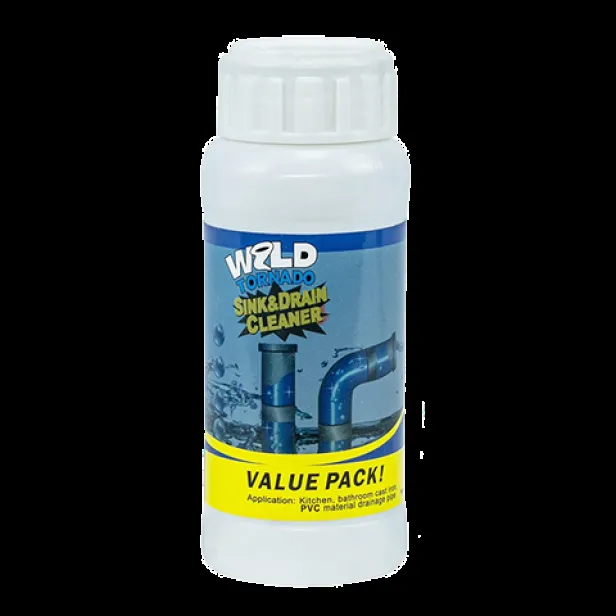
Keep drains flowing through the holidays
SavingStars foaming drain cleaner for hair, grease and soap scum: pour, add hot water, wait 20 minutes, flush. $12.99, or from $6.99 each in bundles.
Check today's price →$12.99, or from $6.99 each in bundles
How do you know a pipe is frozen?
- A faucet gives only a trickle or nothing on a cold morning.
- Drains back up in one area of the house.
- You see frost on an exposed pipe.
- You smell something odd from a drain.
Frozen pipes can burst, so act quickly.
How do you prevent frozen pipes?
- Insulate pipes in unheated areas: basements, crawl spaces, attics and garages.
- Seal drafts near pipes.
- Keep the house heated, even when you travel (at least in the mid-50s °F).
- Open cabinet doors under sinks on outside walls so warm air reaches pipes.
- Let a faucet drip on very cold nights.
- Disconnect garden hoses and shut off outdoor faucets.
The American Red Cross offers guidance on preventing and thawing frozen pipes.
How do you thaw a frozen pipe safely?
- Keep the faucet open so water can flow as it thaws.
- Apply gentle heat with a hair dryer, heating pad or warm towels.
- Start near the faucet and work toward the frozen area.
- Never use an open flame or a torch.
- If you can't find or reach the frozen spot, or a pipe has burst, shut off the main water and call a plumber.
Why do bathroom drains slow down in winter?
Long hot showers, extra guests and dry winter skin (more lotion, more oil) add hair and soap scum to drains. Clean shower and sink drains of hair regularly and treat them monthly. See how to unclog a shower drain, hair clog in the drain and how to clean a bathroom sink stopper.
Should you use harsh drain chemicals?
Harsh caustic or acid drain cleaners can be dangerous, especially if they splash, and they don't mix safely with other products. Poison Control explains the hazards of drain cleaners. Never pour a drain cleaner into a frozen pipe; it won't thaw it, and it can sit in the pipe. For routine buildup, mechanical cleaning and a foaming cleaner are a safer first step. See Drano alternatives and is drain cleaner safe for pipes?
What about outdoor drains and gutters?
Clear leaves from gutters, downspouts and yard drains in late fall. Blocked gutters can cause ice dams and water to back up against the house. Make sure downspouts direct water away from the foundation.
What about septic systems in winter?
Septic systems work in winter, but heavy holiday use adds load. Spread laundry out, fix leaks, keep snow on the drain field (it insulates) and avoid driving or parking on it. See toilet cleaning for septic systems.
Why do drains smell more in winter?
Closed windows trap odors, and drains in guest rooms or basements that aren't used can dry out, letting sewer gas through. Run water in unused drains every couple of weeks. See sewer smell in the bathroom and shower drain smells.
What should you do before traveling?
- Keep the heat on.
- Open cabinet doors under sinks on outside walls.
- Shut off and drain outdoor faucets.
- Consider turning off the main water if you'll be gone long.
- Ask a neighbor to check the house during cold snaps.
When should you call a plumber?
Call a plumber if several drains back up at once, sewage comes up in a floor drain or tub, a pipe has burst, you can't thaw a frozen pipe or clogs keep returning. Those signs point to a main line problem.
What's a winter drain checklist?
| When | Task |
|---|---|
| Late fall | Insulate exposed pipes; clear gutters; shut off outdoor faucets |
| Before the holidays | Treat kitchen and bathroom drains |
| During the holidays | Keep grease out of the sink; empty strainers |
| After the holidays | Treat drains again; clear hair from showers |
| Cold snaps | Drip faucets; open cabinet doors |
See how to prevent clogged drains.
How much does SavingStars cost?
SavingStars is $12.99 for one, $8.99 each for three, $7.85 each for five and $6.99 each for seven. A five- or seven-pack covers monthly treatments of several drains through winter. Returns are accepted within 30 days for unused products in original packaging; defective items can be replaced or refunded.
Why is the day after Thanksgiving so busy for plumbers?
Plumbers often call the day after Thanksgiving one of their busiest of the year. Big meals send turkey fat, gravy, potato peels and food scraps into sinks and disposals, and full houses mean more toilet use and showers. Combined with cold pipes, it's the perfect setup for clogs. The fix is simple prevention: keep fat in a can, scrape plates into the trash, run the disposal with plenty of cold water and only small amounts of soft scraps, and space out showers when the house is full. See clean the house before Thanksgiving.
Does hot water wash grease away?
Hot water can carry liquid grease a short way, but once it reaches colder pipe further down, it cools and sticks to the walls. In winter, that happens even sooner. Hot water helps rinse light film after washing dishes, but it doesn't replace keeping grease out of the drain. Wiping pans and pouring fat into a container is still the best protection.
Can the dishwasher cause winter clogs?
Dishwashers usually drain into the same line as the kitchen sink or through the disposal. Heavy holiday loads with food left on dishes can push scraps into that line. Scrape dishes well, clean the dishwasher filter monthly and run the disposal before starting the dishwasher if they share a drain. If the sink backs up when the dishwasher drains, the shared line is partly blocked.
What about laundry drains?
Winter means heavier clothes, blankets and more lint. Lint from the washer can build up in the standpipe or utility sink drain. Use a lint trap or mesh catcher on the washer drain hose if it empties into a sink, and clean it often. Spreading loads out also helps septic systems and keeps the drain line from being overwhelmed.
Why do basement floor drains matter in winter?
Basement floor drains are the lowest point in the plumbing, so a main line backup shows up there first. Their traps can also dry out in heated, dry winter air, letting sewer gas in. Pour a bucket of water into floor drains every few weeks, and if water or sewage ever comes up from one, stop running water and call a plumber.
What early warning signs should you watch for?
- Water draining slower than usual in more than one fixture.
- Gurgling sounds when you run the sink or flush.
- Bad smells that don't go away after cleaning.
- Water level in the toilet bowl rising or dropping on its own.
- Small amounts of water appearing around floor drains.
Catching these early, and treating drains before a full clog, saves a lot of trouble. See slow-draining sink.
The bottom line
Winter drain problems come from grease, extra use and cold pipes. Keep grease out of the sink, insulate exposed pipes, drip faucets on very cold nights and treat drains monthly, especially around the holidays.
For keeping drains clear through winter, our pick is SavingStars. Check today's SavingStars price.
Sources
- American Red Cross. Frozen Pipes.
- Poison Control. What's in Drain Cleaner?
- Official SavingStars product page, checked October 2026.
Frequently asked questions
Why do drains clog more in winter?
Grease hardens faster in cold pipes, and holidays bring extra cooking and guests.
How do I prevent frozen pipes?
Insulate exposed pipes, keep the heat on, open cabinet doors and drip faucets on very cold nights.
How do I thaw a frozen pipe safely?
Open the faucet and use gentle heat like a hair dryer; never an open flame.
Can drain cleaner thaw a frozen pipe?
No, never pour drain cleaner into a frozen pipe.
Does hot water wash grease away?
Only a short way; it cools and sticks further down the pipe.
When should I call a plumber?
When several drains back up, a pipe bursts or you can't thaw a frozen pipe.

Michelle Hert
Michelle looks into the cleaning products that go viral in ads, from toilet foams to mini vacuums and drain cleaners. She reads the product pages, checkout and return policies, trusted safety sources and buyer feedback so you know what a product really does before you buy it. Her reviews are built on manufacturer information, official checkout and return policies, trusted safety sources and buyer feedback, and are updated when offers change. More about Michelle.