- Flush it with hot water using a cup or a small funnel.
- Pour in a little baking soda, then follow with white vinegar and let it fizz for 15 to 20 minutes.
- Scrub inside the opening with a thin bottle brush or an overflow brush.
- Rinse again with hot water.
- Clean the main drain and stopper too, because the overflow channel joins the drain below.
Most people never think about the little hole near the top of the bathroom sink until it starts to smell. That's the overflow: a channel built into the sink that lets water escape into the drain if the basin fills too high, so it doesn't spill onto the floor. Because it's a dark, damp tube that rarely gets rinsed, it collects soap scum, toothpaste, hair, skin oils and bacteria. The result is a musty or sour smell that seems to come from nowhere, even when the sink looks clean. This guide explains what the overflow does, why it smells, how to clean it step by step with simple supplies, how to deal with mildew and stubborn buildup, how to clean the drain and stopper at the same time and how to keep it fresh.
In this guide:
- what a sink overflow does
- why it smells
- step-by-step cleaning
- mildew and stubborn buildup
- cleaning the drain and stopper too
- keeping it fresh
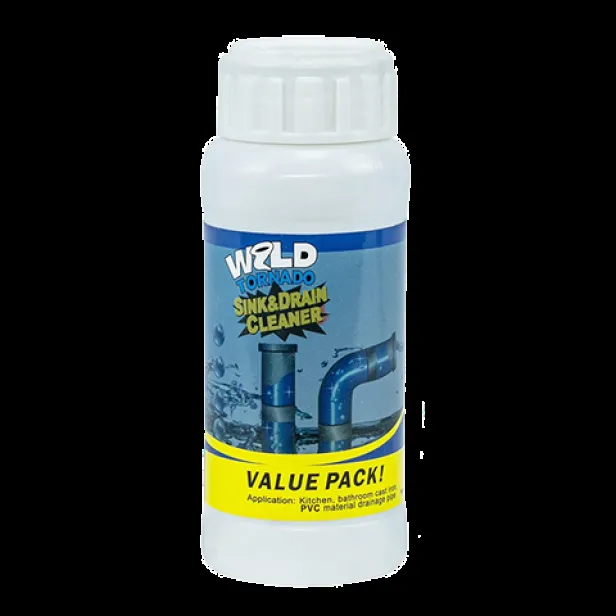
Our pick: the SavingStars Drain Cleaner
Foaming drain cleaner powder for hair, grease and soap scum. Pour, add hot water, wait 20 minutes, flush.
Check today's price →$12.99, or from $6.99 each in bundles
What does a sink overflow do?
The overflow is a small opening, usually near the top of the basin opposite the faucet, connected to a hidden channel inside the sink. If the sink fills up, for example when the stopper is closed or the drain is slow, water flows into the overflow and down into the drain pipe instead of over the edge. It also lets air into the drain, which helps water drain smoothly.
Not all sinks have one. Many vessel sinks and some modern designs don't, so check yours before you start.
Why does the sink overflow smell?
- Soap scum and toothpaste splash into it and build up inside.
- Hair and skin oils collect in the channel.
- Bacteria and mildew grow in the damp, dark tube.
- It's rarely rinsed, because water only reaches it when the sink is very full.
- A dirty drain below can push odors up through the overflow too.
If the smell is more like sewage, or it comes from several drains at once, the issue may be in the plumbing rather than the overflow. See sewer smell in the bathroom.
How do you clean a sink overflow step by step?
- Gather supplies: baking soda, white vinegar, a cup or small funnel, a thin bottle brush or overflow brush, gloves and an old toothbrush.
- Flush with hot water. Pour a cup or two of hot tap water into the overflow opening.
- Add baking soda. Use a funnel or spoon to push 2 to 3 tablespoons into the opening.
- Add vinegar. Slowly pour about half a cup of white vinegar into the overflow. It will fizz.
- Wait 15 to 20 minutes.
- Scrub inside the opening with the brush, pushing it in as far as it goes and twisting.
- Rinse with hot water several times.
- Wipe the outside of the opening and the rim with an old toothbrush.
What about mildew and stubborn buildup?
If the smell or dark residue comes back quickly:
- Use a mildew cleaner made for bathrooms, following the label, with the fan on.
- Or a diluted bleach solution, if the product label and your sink material allow it. Pour it in, wait the recommended time and rinse thoroughly with water.
- Repeat the brush step to physically remove the film.
Use one product at a time, and rinse well between them. Health Canada warns never to mix bleach with other cleaning products, including vinegar. The EPA's guide to mold and moisture explains why keeping damp areas dry stops mildew from coming back.
Our pick: the SavingStars Drain Cleaner
Foaming drain cleaner powder for hair, grease and soap scum. Pour, add hot water, wait 20 minutes, flush.
Check today's price →$12.99, or from $6.99 each in bundles
Should you clean the drain and stopper at the same time?
Yes. The overflow channel joins the drain pipe below the stopper, so a dirty drain and stopper often cause the same smell. While you're cleaning:
- Remove the stopper, pull off hair and gunk and scrub it. See how to clean a bathroom sink stopper.
- Clear the drain with hot water, or a foaming drain cleaner if it's slow.
- Check the P-trap under the sink if water drains slowly even after cleaning. See how to clean a P-trap.
For a slow sink, read how to unclog a bathroom sink and slow-draining sinks.
Which tools work best for the overflow?
| Tool | Why |
|---|---|
| Overflow brush or thin bottle brush | Reaches inside the channel |
| Small funnel | Directs baking soda and liquids into the hole |
| Old toothbrush | Cleans the rim and around the opening |
| Pipe cleaner | For very small openings |
| Squeeze bottle | Rinses with a strong stream |
Avoid sharp metal tools that can scratch porcelain or puncture the channel.
How do you keep the overflow fresh?
- Rinse it weekly: pour a cup of hot water into the overflow while cleaning the sink.
- Clean it monthly with the baking soda and vinegar method.
- Fill the sink occasionally with hot water and let it drain through the overflow to flush it.
- Wipe toothpaste splatter around the opening.
- Keep the drain clear so water doesn't back up and stagnate.
- Run the fan to reduce humidity in the bathroom.
Do kitchen sinks and bathtubs have overflows too?
Most bathtubs have an overflow plate below the faucet, and some kitchen sinks have one. Bathtub overflows collect hair and soap scum and can smell the same way. Remove the plate if possible, clean behind it and flush the channel with hot water. See how to unclog a bathtub drain.
How does the overflow fit into a bathroom cleaning routine?
Add the overflow to your weekly sink clean: wipe the basin, rinse the overflow with hot water, clean the faucet and wipe the stopper. Once a month, do the deeper clean described above. For a complete plan, see our bathroom cleaning checklist.
What mistakes should you avoid?
- mixing bleach with vinegar or other cleaners
- using wire or metal tools that scratch the sink
- ignoring a slow drain, which keeps the overflow damp
- pouring harsh chemicals into the overflow without rinsing
- forgetting the stopper, which often hides the real smell
How do you know the overflow is the problem?
- the smell is strongest right at the sink, not around the toilet or shower
- you see dark film or residue around the overflow opening
- pouring hot water into the overflow makes the smell stronger for a moment
- the drain itself runs freely but the sink still smells
Try this quick test: pour a cup of hot water into the overflow and sniff. If the smell gets stronger, the channel needs cleaning. If nothing changes, look at the stopper, the drain and the P-trap instead.
What does a 5-minute weekly sink routine look like?
- Wipe the basin, faucet and handles with a mild cleaner.
- Pour a cup of hot water into the overflow.
- Lift and rinse the stopper.
- Run hot water down the drain for 30 seconds.
- Dry the faucet and counter so water spots don't form.
Five minutes a week keeps odors away and saves a much longer cleaning job later. If your water is hard, add a quick wipe of white vinegar around the faucet base to stop mineral buildup.
Is the method safe for every sink material?
Baking soda, vinegar and hot water are safe for most porcelain and ceramic sinks. For natural stone, such as marble, skip vinegar and use a stone-safe cleaner instead, because acid can etch the surface. For composite or acrylic sinks, avoid very hot water and abrasive tools. When in doubt, check the sink maker's care instructions.
When should you call a plumber?
Call a plumber if the smell remains after cleaning the overflow, stopper, drain and P-trap, if water backs up into the sink, if you hear gurgling from other drains or if you see leaks under the sink. Those signs can point to a venting problem or a blockage further down the line. A plumber can also check whether the P-trap is drying out, which happens in sinks that are rarely used and lets sewer gas escape. Running water in guest bathroom sinks once a week keeps the trap filled and prevents that smell.
Does hard water make the overflow smell worse?
Hard water leaves mineral deposits that make the inside of the channel rough, so soap scum and bacteria cling more easily. A monthly vinegar rinse helps dissolve those deposits and keeps the channel smoother and easier to flush.
It takes only a minute and keeps the whole sink fresher.
The bottom line
To clean a bathroom sink overflow:
- flush it with hot water, then add baking soda and vinegar
- scrub inside with a thin brush and rinse well
- use a mildew cleaner for stubborn buildup, never mixed with other products
- clean the drain, stopper and P-trap too
- rinse the overflow weekly and deep clean monthly
If the sink drains slowly, SavingStars foaming powder targets hair, grease and soap scum: pour, add about 1 liter of hot water, wait 20 minutes and flush. $12.99, or from $6.99 each in bundles.
Our pick: the SavingStars Drain Cleaner
Foaming drain cleaner powder for hair, grease and soap scum. Pour, add hot water, wait 20 minutes, flush.
Check today's price →$12.99, or from $6.99 each in bundles
Frequently asked questions
Why does my sink overflow smell?
Soap scum, toothpaste, hair and bacteria build up in the damp overflow channel, which is rarely rinsed.
How do you clean a sink overflow?
Flush it with hot water, add baking soda and vinegar, wait 15 to 20 minutes, scrub inside with a thin brush and rinse.
Can I pour bleach down the sink overflow?
Only diluted and if your product label and sink allow it. Rinse well afterward and never mix it with vinegar or other cleaners.
Is the sink overflow connected to the drain?
Yes. The overflow channel joins the drain pipe below the stopper, so clean the drain and stopper too.
How often should I clean the sink overflow?
Rinse it with hot water weekly and do a deeper clean once a month.
Why does my clean sink still smell?
The smell often comes from the overflow, the stopper or the P-trap. If several drains smell, the issue may be in the plumbing.

Michelle Hert
Michelle looks into the cleaning products that go viral in ads, from toilet foams to mini vacuums and drain cleaners. She reads the product pages, checkout and return policies, trusted safety sources and buyer feedback so you know what a product really does before you buy it. Her reviews are built on manufacturer information, official checkout and return policies, trusted safety sources and buyer feedback, and are updated when offers change. More about Michelle.