- Fabric or upholstered: vacuum with a brush or upholstery nozzle, spot-clean stains with a little mild soap and water on a cloth (test first) and let it air-dry.
- Tufted: use a crevice nozzle in the buttons and folds, then spot-clean.
- Wood: dust with a microfiber cloth, then wipe with a barely damp cloth and dry right away. Use a wood cleaner for grime.
- Metal: dust, wipe with mild soapy water, dry and polish if needed.
- Leather or faux leather: wipe with a damp cloth and condition real leather occasionally.
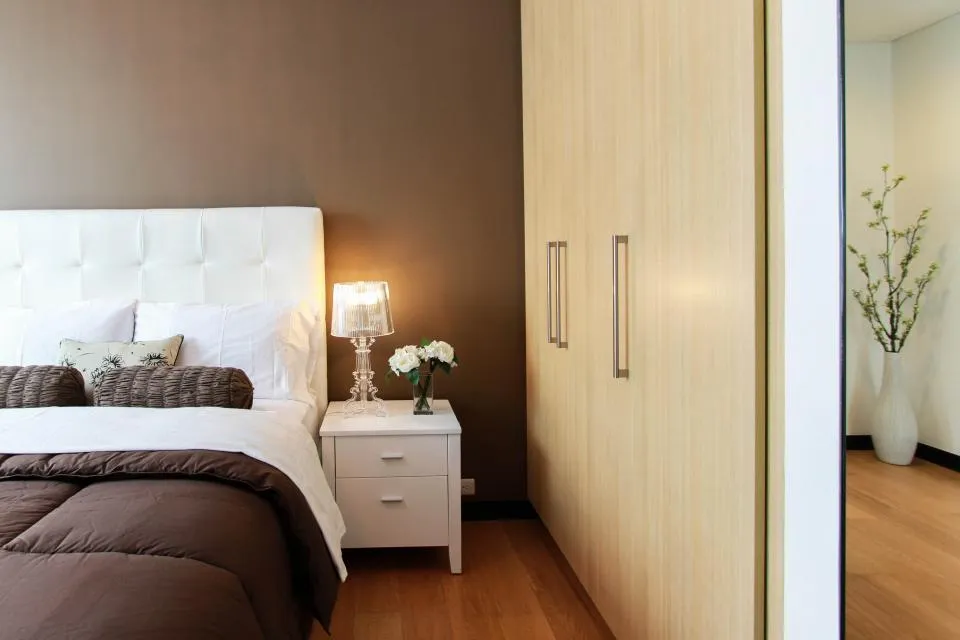
The headboard is the part of the bed we lean on every night to read, scroll and watch TV, yet it's often the last thing we think to clean. Over weeks and months, it collects dust, skin oils, hair products, lotion, sweat and pet hair. Fabric headboards can look dull and gray along the top, wood ones get greasy fingerprints and tufted designs trap dust in every button. Because it sits right next to your face while you sleep, a dirty headboard can also add to dust allergies. This guide shows how to clean every type of headboard, how to remove common stains, how to deal with odors and dust mites and how often to clean it to keep the whole bedroom fresher.
In this guide:
- why headboards get dirty
- check the care label first
- cleaning fabric and tufted headboards
- wood, metal and leather headboards
- removing stains and odors
- how often to clean
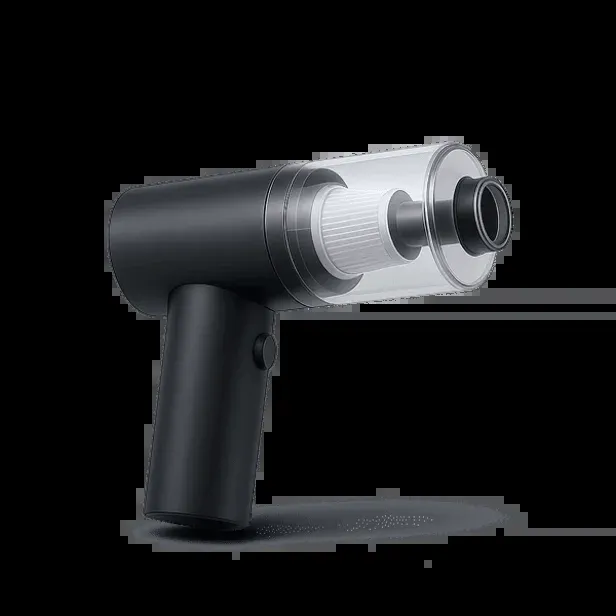
Our pick: the DustaClean Handheld Vacuum
Cordless, USB-rechargeable mini vacuum under 1 lb with HEPA filtration, 2 nozzles and up to 30 minutes per charge.
Check today's price →$69.99, or from $49.99 each in bundles
Why do headboards get so dirty?
- Hair and skin oils from leaning back to read or watch TV
- Hair products, lotions and makeup
- Dust that settles on the top edge and in folds
- Pet hair from pets that sleep on the bed
- Sweat and humidity in warm bedrooms
- Food and drink spills from breakfast in bed
Dust and dust mites thrive in bedrooms, and fabric headboards are another place for them to collect. The American College of Allergy, Asthma and Immunology explains how dust allergies work and why regular cleaning in the bedroom helps.
What should you check before cleaning?
Look for a care tag on fabric headboards, often on the back or bottom. Common codes:
| Code | Meaning |
|---|---|
| W | Water-based cleaners are OK |
| S | Solvent-based cleaners only; avoid water |
| WS | Water or solvent cleaners are OK |
| X | Vacuum only; no liquid cleaners |
Always test any cleaner on a hidden spot first, such as the back or bottom edge, and wait for it to dry before cleaning the rest.
How do you clean a fabric or upholstered headboard?
- Strip the bed and pull it slightly away from the wall so you can reach the whole headboard.
- Vacuum thoroughly with an upholstery or brush nozzle, working from top to bottom. Go over the top edge and sides carefully.
- Spot-clean stains (if the code allows water): mix a few drops of mild dish soap into a cup of warm water, dip a white microfiber cloth, wring it well and blot the stain. Don't scrub or soak.
- Rinse by blotting with a cloth dampened with plain water.
- Blot dry with a dry towel, then let it air-dry with a fan or open window.
- Vacuum again once dry to lift the fibers.
How do you clean a tufted headboard?
Tufted and buttoned headboards trap dust in every fold. Use a crevice nozzle to go around each button and along each seam, then the brush nozzle on the flat areas. A soft, clean toothbrush can loosen dust from deep folds before you vacuum. Spot-clean carefully around buttons, since too much moisture can leave rings.
Our pick: the DustaClean Handheld Vacuum
Cordless, USB-rechargeable mini vacuum under 1 lb with HEPA filtration, 2 nozzles and up to 30 minutes per charge.
Check today's price →$69.99, or from $49.99 each in bundles
How do you clean a wood headboard?
- Dust with a dry microfiber cloth.
- Wipe with a cloth barely dampened with water and a drop of mild soap, following the grain.
- Dry immediately with a clean cloth.
- For greasy fingerprints, use a wood cleaner made for finished furniture.
- Polish occasionally if the finish allows it.
Avoid soaking wood, abrasive pads and all-purpose sprays that can cloud the finish. Use a handheld vacuum with a brush nozzle to remove dust from carvings and slats.
How do you clean a metal headboard?
Dust bars and posts with a microfiber cloth or a handheld vacuum. Wipe with warm, mildly soapy water, then dry thoroughly to prevent rust. For brass or chrome, use a metal polish suited to the finish. Check joints and screws while you're there, since loose frames squeak.
How do you clean leather and faux leather headboards?
- dust or vacuum with a soft brush nozzle
- wipe with a cloth dampened with water and a drop of mild soap
- dry with a soft cloth
- condition real leather every few months
- avoid harsh cleaners, alcohol and heat, which crack leather
How do you remove common headboard stains?
| Stain | What to try (test first) |
|---|---|
| Hair and skin oil | Sprinkle baking soda or cornstarch, leave 30 minutes, vacuum, then spot-clean with mild soap |
| Makeup | Blot with a little mild soap solution; avoid rubbing |
| Coffee or tea | Blot quickly, then dab with diluted mild soap and rinse by blotting |
| Ink | Dab with a little rubbing alcohol on a cotton swab (only if the code allows solvents) |
| Pet accidents | Blot, then use an enzyme cleaner made for upholstery |
How do you get rid of odors and freshen a headboard?
Sprinkle a light layer of baking soda over a dry fabric headboard, leave it for a few hours (or overnight), then vacuum it off thoroughly. Air out the room. Washing pillowcases and sheets regularly also keeps the headboard from absorbing smells. See how to clean a mattress for the rest of the bed.
Do headboards collect dust mites?
Fabric headboards, like mattresses and pillows, can collect dust mites and their allergens. Regular vacuuming with a vacuum that has good filtration helps. Wash bedding weekly in hot water, keep humidity below about 50% and consider a headboard slipcover you can wash. More tips: how to get rid of dust mites and dust allergy cleaning tips.
How often should you clean a headboard?
- Every 1 to 2 weeks: vacuum or dust, ideally when you change the sheets.
- Every 1 to 3 months: spot-clean marks along the top edge.
- Every 6 months: deep clean, including the back and the wall behind it.
A weekly schedule keeps the whole room cleaner. See our weekly cleaning schedule.
How do you keep a headboard clean longer?
- use a decorative pillow or bolster against the headboard
- let hair products and lotions dry before leaning back
- keep pets off the pillows
- add a washable slipcover on fabric headboards
- treat fabric with a protector spray suited to the fabric
Why a handheld vacuum works well for headboards
Headboards are awkward to reach with a full-size vacuum, especially on tall or tufted designs. A light handheld with a crevice nozzle gets into folds and along the top edge in a few minutes, so it's easy to do every time you change the sheets. DustaClean weighs under 1 lb, has HEPA filtration and runs up to 30 minutes per charge. See our DustaClean review.
Should you clean the wall behind the headboard too?
Yes. When you pull the bed out for a deep clean, you'll often find a gray line on the wall where the headboard rubs, plus dust bunnies, lost socks and pet hair on the floor. Vacuum the floor and baseboards first, then wipe the wall with a damp microfiber cloth and a drop of mild soap. On flat or matte paint, use very light pressure so you don't leave shiny patches. Felt pads or small bumpers on the back of the headboard stop it from scuffing the wall again.
The space under the bed collects more dust than almost anywhere else in the bedroom. While the bed is moved, vacuum under it thoroughly, including the slats or box spring. Moving air and dust in the bedroom affects how you breathe at night; the EPA's introduction to indoor air quality explains how household dust and pollutants build up indoors. For the rest of the room, see how to reduce dust in the house.
What vacuum attachments work best on a headboard?
| Attachment | Best for |
|---|---|
| Brush nozzle | Flat fabric areas, wood carvings and slats, metal bars |
| Crevice nozzle | Tufted buttons, seams, the gap between headboard and mattress |
| Upholstery tool | Large padded panels |
| Soft toothbrush (by hand) | Loosening dust from deep folds before vacuuming |
A vacuum with a good filter keeps fine dust from blowing back into the room. The EPA explains what a HEPA filter is and how it traps small particles. Work top to bottom, so dust that falls is picked up at the end.
What if someone in the house has allergies?
- vacuum the headboard and bed area at least weekly
- wash pillowcases and sheets weekly in hot water
- choose a headboard with a removable, washable cover
- keep pets off the bed if dust or pet dander triggers symptoms
- wear a mask while deep cleaning if dust makes you sneeze
- keep bedroom humidity in a moderate range
Allergy-friendly bedrooms pair a clean headboard with a clean mattress and fresh bedding. More ideas in dust allergy cleaning tips.
How do you clean a kid's headboard?
Kids' headboards collect crayon, stickers, sticky fingerprints and snack crumbs. Vacuum crumbs first, then wipe painted wood or laminate with a damp cloth and mild soap. Crayon on wood often lifts with a little dish soap on a soft cloth; on fabric, gently scrape off what you can and blot with mild soap solution, testing first. For stickers, warm the area with a hair dryer on low and peel slowly. Washable slipcovers make kids' rooms much easier.
The bottom line
To clean a headboard:
- check the care code and test cleaners on a hidden spot
- vacuum fabric and tufted headboards with brush and crevice nozzles
- spot-clean stains gently and let them air-dry
- wipe wood, metal and leather with a barely damp cloth and dry right away
- vacuum every 1 to 2 weeks to keep dust and allergens down
DustaClean makes regular headboard cleaning quick: under 1 lb, HEPA filtration and two nozzles, $69.99 or from $49.99 each in bundles.
Our pick: the DustaClean Handheld Vacuum
Cordless, USB-rechargeable mini vacuum under 1 lb with HEPA filtration, 2 nozzles and up to 30 minutes per charge.
Check today's price →$69.99, or from $49.99 each in bundles
Frequently asked questions
How do you clean a fabric headboard without removing it?
Vacuum it with an upholstery or brush nozzle, then spot-clean stains with a cloth barely dampened with mild soapy water and let it air-dry.
Can you use baking soda on a headboard?
Yes. Sprinkle a light layer on a dry fabric headboard, leave it for a few hours and vacuum it off to absorb odors and oils.
How do you get oil stains off a fabric headboard?
Sprinkle baking soda or cornstarch, wait 30 minutes, vacuum, then blot with a little mild soap solution. Test on a hidden spot first.
How often should you clean a headboard?
Vacuum or dust it every 1 to 2 weeks, spot-clean every few months and deep clean about twice a year.
How do you clean a tufted headboard?
Use a crevice nozzle around every button and seam, loosen deep dust with a soft toothbrush and spot-clean carefully.
Can I steam clean a headboard?
Only if the care code allows water and the manufacturer approves steam. Too much moisture can leave rings or damage padding.

Michelle Hert
Michelle looks into the cleaning products that go viral in ads, from toilet foams to mini vacuums and drain cleaners. She reads the product pages, checkout and return policies, trusted safety sources and buyer feedback so you know what a product really does before you buy it. Her reviews are built on manufacturer information, official checkout and return policies, trusted safety sources and buyer feedback, and are updated when offers change. More about Michelle.