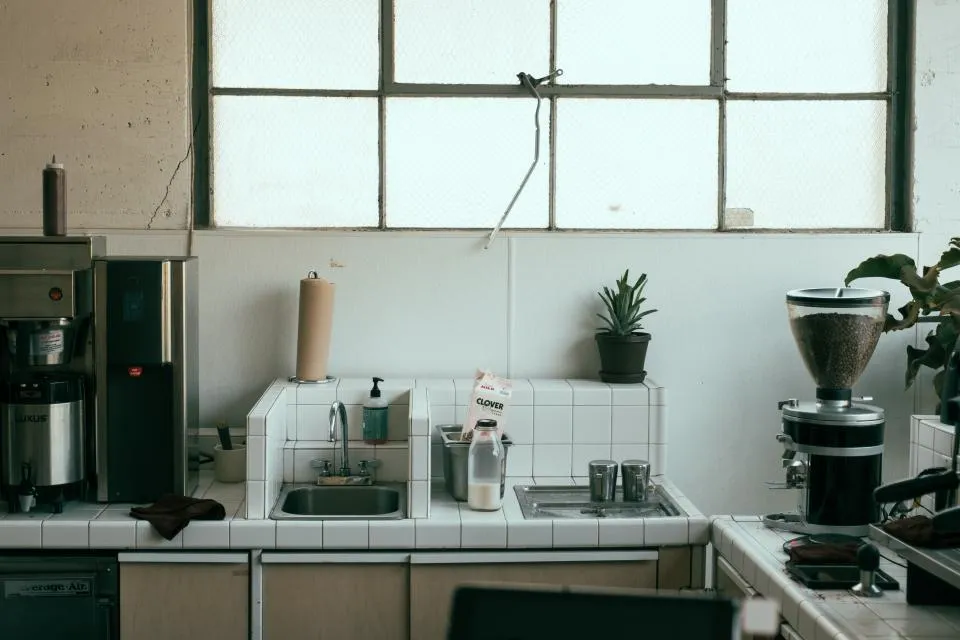
- Start with hot water and dish soap: squirt a generous amount of dish soap into the drain, follow with very hot tap water (or a kettle of near-boiling water for metal pipes), wait a few minutes and repeat.
- Try baking soda and vinegar for a slow kitchen sink: half a cup of baking soda, a cup of vinegar, wait 15 to 30 minutes, then flush with hot water.
- Use a foaming drain cleaner made for grease and soap scum if the drain is still slow.
- Clean the P-trap by hand if water won't drain at all.
- Prevent it: never pour fats, oils or grease down the sink.
Grease is the number one reason kitchen sinks slow down. Bacon fat, butter, cooking oil, gravy, salad dressing and the film from greasy pans all go down the drain as liquids, then cool, harden and stick to the inside of the pipes. Over weeks, that coating catches food scraps and coffee grounds until the water barely moves and the sink starts to smell. The good news is that grease clogs are usually close to the sink and respond well to heat, soap and the right cleaner. This guide explains how grease builds up, the safest ways to dissolve it step by step, what to do when a drain is fully blocked, what to avoid and how to keep grease out of your pipes for good.
In this guide:
- how grease clogs a drain
- hot water and dish soap
- baking soda and vinegar
- foaming and enzyme cleaners
- cleaning the P-trap
- preventing grease clogs
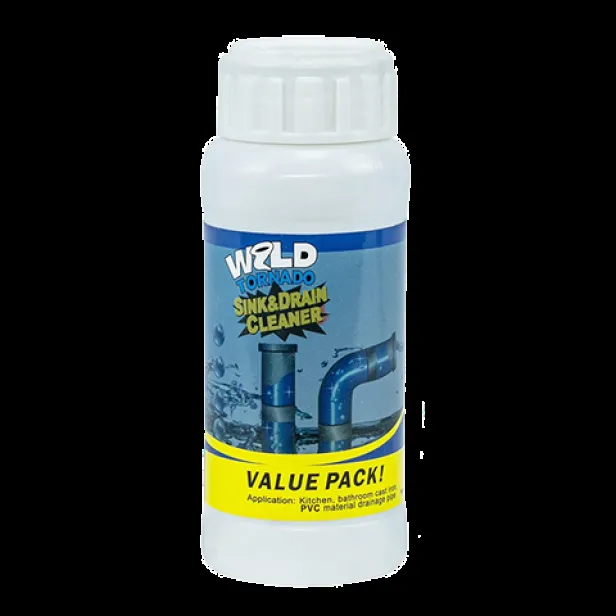
Our pick: the SavingStars Drain Cleaner
Foaming drain cleaner powder for hair, grease and soap scum. Pour, add hot water, wait 20 minutes, flush.
Check today's price →$12.99, or from $6.99 each in bundles
How does grease clog a drain?
Warm grease flows easily, which is why it seems harmless to rinse a pan into the sink. But as it moves through cooler pipes, it solidifies and sticks to the walls. Each new layer narrows the pipe a little more. Food particles, coffee grounds and soap residue get trapped in it, and the mix becomes a thick, sticky sludge. The most common spots are the P-trap under the sink and the first few feet of pipe behind the wall.
Signs of a grease clog:
- the kitchen sink drains slowly, especially after washing dishes
- a sour or rancid smell comes from the drain
- gurgling sounds when water goes down
- water backs up into the other side of a double sink
Can hot water and dish soap dissolve grease?
Yes, for light to moderate buildup, and it's the gentlest place to start. Dish soap is designed to break up grease, and heat softens it.
- Remove standing water from the sink if possible.
- Squirt a generous amount of dish soap (a few tablespoons) into the drain.
- Pour in very hot tap water slowly, about 2 liters.
- Wait 5 to 10 minutes, then run hot water for a minute.
- Repeat two or three times.
About boiling water: near-boiling water helps with metal pipes, but it can soften PVC joints and crack porcelain sinks. If you have plastic pipes, stick to the hottest tap water instead.
Does baking soda and vinegar work on grease?
It can help with mild grease and odors. The fizzing reaction loosens light buildup, and the follow-up hot water flushes it away.
- Pour half a cup of baking soda into the drain.
- Add one cup of white vinegar and cover the drain.
- Wait 15 to 30 minutes.
- Flush with hot water.
It's less effective on thick, old grease. More detail in baking soda and vinegar for drains.
Our pick: the SavingStars Drain Cleaner
Foaming drain cleaner powder for hair, grease and soap scum. Pour, add hot water, wait 20 minutes, flush.
Check today's price →$12.99, or from $6.99 each in bundles
Do foaming drain cleaners dissolve grease?
A foaming drain cleaner expands to coat the inside of the pipe, which helps it reach grease stuck to the walls instead of just running past it. Look for one made for grease, hair and soap scum, follow the directions exactly and flush with hot water afterward. SavingStars works this way: pour the powder in, add about 1 liter of hot water, let the foam work for 20 minutes and flush. The brand describes it as non-corrosive and safe for PVC, metal pipes and septic systems. See our SavingStars review.
What about enzyme drain cleaners?
Enzyme and bacterial cleaners use natural microbes to digest organic buildup like grease and food. They work slowly, usually overnight, and are best for maintenance or slow drains rather than full blockages. They're gentle on pipes and septic systems. See enzyme drain cleaners.
Should you use a harsh chemical drain cleaner?
Strong caustic or acid drain cleaners can dissolve grease, but they come with risks: burns, toxic fumes and damage to some pipes if used often. Poison Control explains what's in harsh chemical drain cleaners and why they're dangerous. If you choose one, use it on its own, wear gloves and eye protection and never plunge afterward, since splashes can burn. More in is drain cleaner safe for pipes?
Which drain products should you never mix?
- Never mix different drain cleaners, or a drain cleaner with bleach, vinegar or ammonia.
- Don't use one product right after another. Flush thoroughly with water and wait before trying something else.
- Ventilate the kitchen and keep children and pets away.
Health Canada warns never to mix bleach with other cleaning products because the combinations can release toxic gases.
How do you clean grease out of the P-trap?
If water won't drain at all, the clog is often in the U-shaped pipe under the sink.
- Put a bucket under the trap and wear gloves.
- Unscrew the slip nuts by hand or with pliers and remove the trap.
- Scrape out the grease and debris into the trash, not the sink.
- Scrub the trap with hot, soapy water and a bottle brush.
- Reinstall it, hand-tighten the nuts and run hot water to check for leaks.
Step by step with photos: how to clean a P-trap.
What about grease in the garbage disposal?
A garbage disposal doesn't make grease safe to pour. It chops food, but grease still coats the blades and pipes. To clean it, run cold water with ice cubes and a little dish soap, then flush with hot water. If it smells, see garbage disposal smells.
When should you call a plumber?
- water backs up into the dishwasher or other drains
- several drains in the house are slow at once
- you've cleaned the P-trap and it's still blocked
- you smell sewage or hear gurgling in other fixtures
- there's a leak under the sink or behind the wall
Those signs often point to a clog further down the main line.
How do you keep grease out of your drains?
- Pour cooled grease into a can or jar and throw it away once it solidifies.
- Wipe greasy pans with a paper towel before washing.
- Use a sink strainer to catch food scraps.
- Run hot water for 30 seconds after washing dishes.
- Do a monthly maintenance treatment with dish soap and hot water or a foaming cleaner.
- Keep coffee grounds and eggshells out of the sink.
More habits in how to prevent clogged drains.
Why do grease clogs happen after holidays?
Holiday cooking means roasts, gravies, butter-heavy sides and lots of dishes, and plumbers see a spike in kitchen clogs the day after Thanksgiving. Keep a jar by the stove for grease, scrape plates into the trash and run the dishwasher instead of rinsing everything in the sink. If it happens anyway, see how to unclog a drain after Thanksgiving.
How do you get rid of the smell from a greasy drain?
Once the grease is gone, the smell usually goes too. Finish with a baking soda and hot water flush, clean the sink stopper and the underside of the strainer, and wipe the drain opening. If odors return, check the dishwasher filter and the garbage disposal. See why does my kitchen sink smell?
Which method should you try first?
| Situation | Start with | If it doesn't work |
|---|---|---|
| Sink drains a little slowly | Dish soap and hot water, repeated | Baking soda and vinegar, then hot water |
| Slow drain with a smell | Foaming drain cleaner | Clean the stopper, strainer and P-trap |
| Water stands in the sink | Clean the P-trap | Call a plumber |
| Double sink backs up on one side | Treat both drains, plug one while treating the other | Check the shared trap or call a plumber |
| Monthly maintenance | Dish soap and hot water or an enzyme cleaner | Foaming cleaner every few months |
Starting gentle protects your pipes and saves money. Most grease problems in a kitchen sink are close to the drain opening and clear up after one or two treatments. If you try a product, follow the directions exactly, use it on its own and flush with plenty of hot water afterward. Give each method time to work before moving on to the next, and always flush the drain well between treatments so different products never meet in the pipe.
Can you use a plunger on a greasy sink?
Yes, a cup plunger can push a soft grease clog loose. Fill the sink with a few inches of hot water, cover the overflow hole or the other drain in a double sink with a wet cloth, then plunge firmly 10 to 15 times. Run hot water afterward. Don't plunge after using a chemical drain cleaner, because it can splash back.
The bottom line
To dissolve grease in a drain:
- start with dish soap and very hot water, repeated a few times
- try baking soda and vinegar for mild buildup
- use a foaming or enzyme cleaner for stubborn grease, on its own
- clean the P-trap by hand if the sink won't drain at all
- keep fats, oils and grease out of the sink
SavingStars foaming powder targets grease, hair and soap scum: pour, add about 1 liter of hot water, wait 20 minutes and flush. $12.99, or from $6.99 each in bundles.
Our pick: the SavingStars Drain Cleaner
Foaming drain cleaner powder for hair, grease and soap scum. Pour, add hot water, wait 20 minutes, flush.
Check today's price →$12.99, or from $6.99 each in bundles
Frequently asked questions
What dissolves grease in a drain?
Dish soap with very hot water works for light buildup. Foaming or enzyme drain cleaners made for grease help with stubborn clogs.
Does boiling water dissolve grease in pipes?
It helps with metal pipes, but it can soften PVC joints and crack porcelain. Use the hottest tap water if you have plastic pipes.
Does baking soda and vinegar dissolve grease?
It can loosen mild grease and odors. It's less effective on thick, old buildup.
What should I do if the sink won't drain at all?
Clean the P-trap under the sink. If it's still blocked, or other drains are slow too, call a plumber.
Can I pour grease down the sink with hot water?
No. It cools and hardens further down the pipe. Let grease cool in a can or jar and throw it away.
How often should I treat my kitchen drain?
A monthly maintenance flush with dish soap and hot water or a foaming cleaner helps keep grease from building up.

Michelle Hert
Michelle looks into the cleaning products that go viral in ads, from toilet foams to mini vacuums and drain cleaners. She reads the product pages, checkout and return policies, trusted safety sources and buyer feedback so you know what a product really does before you buy it. Her reviews are built on manufacturer information, official checkout and return policies, trusted safety sources and buyer feedback, and are updated when offers change. More about Michelle.