- Caustic and acid chemical cleaners can generate heat and, with repeated use, may stress older pipes, joints and some finishes. They're also a burn and splash risk.
- Mechanical methods (snakes, plungers, cleaning the P-trap) are the safest for every pipe type.
- Non-corrosive foaming cleaners made for hair, grease and soap scum are a gentler choice for slow drains and monthly maintenance.
When a drain clogs, the bottle of drain cleaner under the sink looks like the quickest fix. But many people hesitate: will it eat through the pipes? Is it safe for old plumbing, PVC or a septic system? And what about the plumber's warnings about chemical cleaners?
The honest answer is that "drain cleaner" covers very different products, and some are much gentler than others. This guide explains how each type works, what it can do to different pipes, the real risks, and the safest way to clear and prevent clogs.
What types of drain cleaners are there?
| Type | How it works | Main concerns |
|---|---|---|
| Caustic (alkaline) | Strong bases like sodium hydroxide dissolve hair and grease, often generating heat | Burns, heat, damage to some pipes and finishes with repeated use |
| Acid | Strong acids like sulfuric acid dissolve clogs fast | Very corrosive; can damage pipes and fixtures; often for professionals |
| Oxidizing | Bleach or peroxide-based formulas break down organic matter | Dangerous if mixed with other products |
| Non-corrosive foaming | Foam expands into the pipe to break down hair, grease and soap scum | Gentler; follow the label; not for every severe clog |
| Enzyme / bacterial | Microbes digest organic buildup over hours or days | Slow; better for maintenance than for blockages |
What are the real risks of chemical drain cleaners?
Poison Control explains that many drain cleaners contain strong alkalis like sodium hydroxide or strong acids like sulfuric acid, which can cause serious burns to the skin, eyes and digestive tract. The main risks are:
- Burns and splash-back, especially if you plunge or snake after using a caustic cleaner.
- Heat from the chemical reaction, which can stress PVC joints and older pipes.
- Dangerous combinations: adding a second product, or bleach, can release toxic gases or cause violent reactions.
- Standing chemicals: if the clog doesn't clear, the product sits in the sink or tub, making the next step riskier.
- Damage to finishes like chrome, enamel and some stone.
Is drain cleaner safe for each type of pipe?
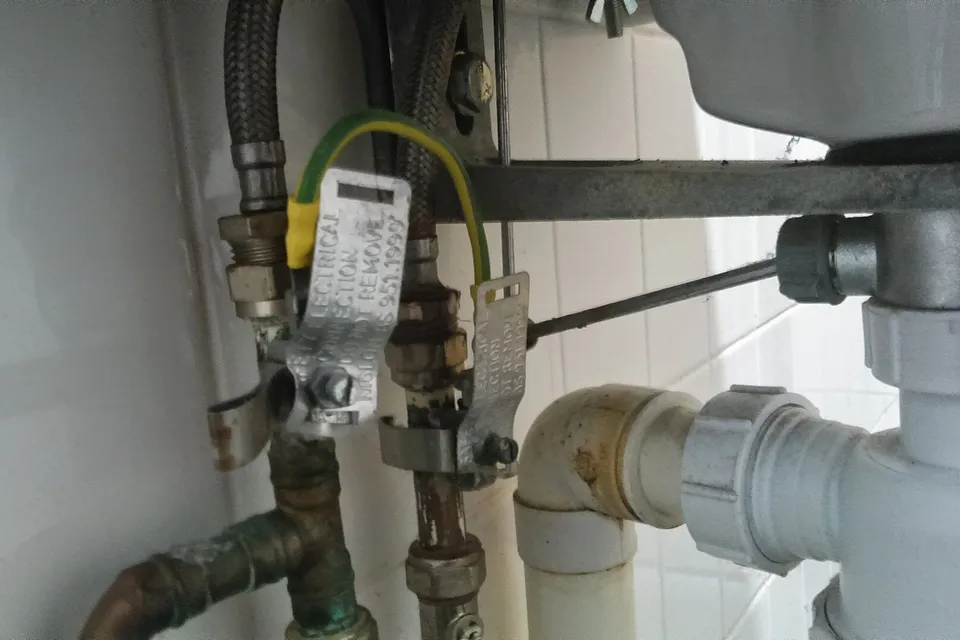
PVC and ABS plastic: the most common pipes in modern homes. Many products say they're safe for plastic, but heat-generating caustic cleaners used often, or poured into a blocked drain where they sit, can soften or stress joints. Gentle products and mechanical methods are the safest choice.
Copper: generally durable, but strong acids and repeated harsh chemicals can corrode it over time.
Galvanized steel: found in many older homes, often already corroded inside. Harsh chemicals can speed up deterioration and expose weak spots.
Cast iron: durable but common in older homes where pipes may be rusted or thin. Strong acids and caustics can make existing damage worse.
If you're not sure what pipes you have, look under the sink or in the basement. White or black plastic is PVC or ABS; copper is orange-brown metal; galvanized is gray metal with threaded joints. In an older home with metal pipes, it's wise to avoid harsh chemicals altogether.
Are drain cleaners safe for septic systems?
Septic systems depend on bacteria in the tank to break down waste. The EPA advises keeping harmful chemicals out of septic systems, since they can kill those bacteria and disrupt the system. If you have septic, use mechanical methods first and choose products labeled septic-safe, in the recommended amounts. Keep grease, wipes and food scraps out of drains, which matters even more with a septic system.
What's a gentler drain cleaner that still works?
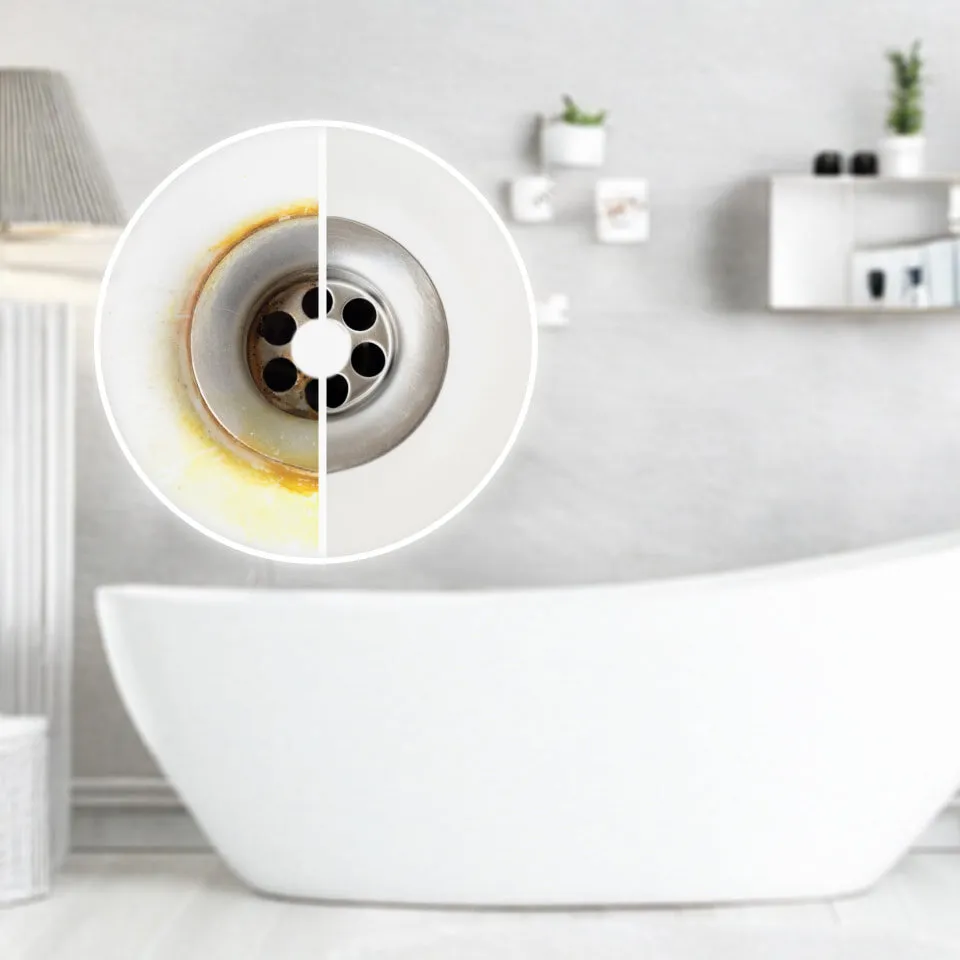
For slow drains and regular maintenance, a non-corrosive foaming cleaner sits between doing nothing and reaching for harsh chemicals. The foam expands to fill the pipe and stays in contact with the buildup on the walls.
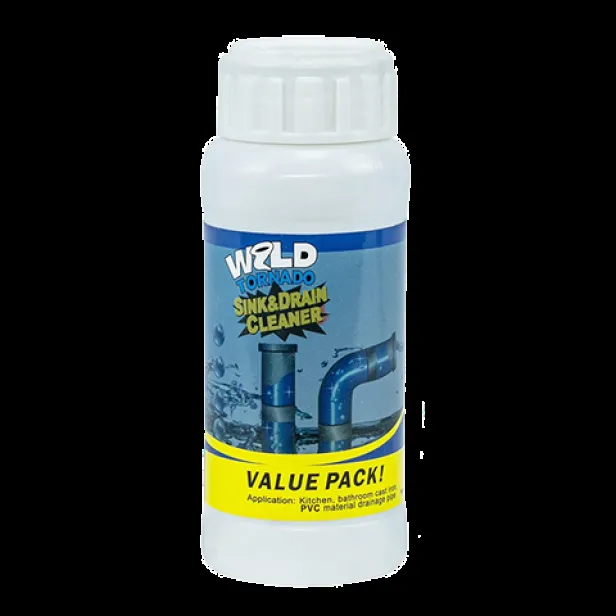
SavingStars is a foaming drain cleaner powder designed for hair, grease, soap scum and food buildup. According to the brand, you pour it into the drain, add about 1 liter (roughly 4 cups) of hot water, wait 20 minutes and flush. The brand says it's non-corrosive and safe for PVC, metal pipes and septic systems, which makes it a good fit for monthly use as well as slow drains. It costs $12.99, or as little as $6.99 each in bundles. Read our SavingStars review, where we rate it 4.4/5.
For the best results, remove hair near the top with a plastic snake first, then use the foam for buildup further down.
A non-corrosive choice for your pipes
SavingStars foaming drain cleaner: non-corrosive and safe for PVC, metal pipes and septic systems, per the brand. Pour, add hot water, wait 20 minutes, flush. $12.99, or from $6.99 each in bundles, with a 30-day refund guarantee.
Check today's price →$12.99, or from $6.99 each in bundles
What are the safest ways to unclog a drain?
- Plastic drain snake: pulls hair out of bathroom drains; no chemicals at all.
- Plunger: cup plunger for sinks and tubs (cover the overflow), flange plunger for toilets.
- Clean the stopper and P-trap: often where the clog sits.
- Hand auger: reaches deeper clogs; go gently with older pipes.
- Hot tap water: helps move fresh grease and soap; avoid boiling water in PVC and porcelain.
See our guide to safer Drano alternatives for each method in detail.
How do you use any drain cleaner safely?
- Read the label for pipe compatibility, septic safety and directions.
- Use one product at a time. Health Canada warns that mixing cleaning products can release toxic gases.
- Wear gloves and eye protection.
- Ventilate the room.
- Don't plunge after a caustic cleaner until it's been flushed away.
- Never pour a second product into a drain that still holds the first.
- Tell your plumber exactly what you used if you end up calling one.
- Store products closed and out of reach of children and pets.
What does it mean if you need drain cleaner often?
If you find yourself treating the same drain every few weeks, something else is going on. Common causes are a buildup further down the line, a sagging or poorly sloped pipe, tree roots in an older sewer line, or a venting problem. Repeated harsh chemicals won't fix any of those, and they can make an older pipe worse. A plumber can inspect the line with a camera and fix the real issue. Meanwhile, monthly maintenance with a gentle product and good habits keep most household drains clear. See how to prevent clogged drains.
Is it safe to use drain cleaner in a toilet?
Only if the product says it's made for toilets. Most clogged toilets are best cleared with a flange plunger or a toilet auger. Pouring caustic drain cleaner into a blocked toilet bowl can leave a hazardous mix sitting in the bowl, and the heat can crack porcelain. For regular toilet cleaning, a bowl cleaner like a foaming powder is a different product from a drain cleaner.
Which approach should you use for each drain?
For a slow bathroom sink, clean the stopper and snake out hair, then treat with a foaming cleaner; see slow draining sink. For a shower or tub, remove the cover, pull the hair and treat the pipe; see how to unclog a bathtub drain. For a kitchen sink, keep grease out, clean the strainer and disposal splash guard, and treat monthly. For a fully blocked drain that doesn't respond, call a plumber rather than adding more chemicals.
Is it safe to use a drain cleaner every month?
For maintenance, the right product makes all the difference. Using a harsh caustic cleaner every month on a drain that isn't clogged adds heat and chemicals to your pipes for no reason. A non-corrosive foaming cleaner or an enzyme product designed for regular use is a much better choice, because it breaks down the thin layer of hair, grease and soap scum before it becomes a clog. Combine it with simple habits: hair catchers in showers and sinks, no grease down the kitchen drain, and hot tap water after use. That routine keeps most drains flowing without ever needing anything stronger.
Which drain cleaner myths should you ignore?
- "Stronger is always better." Harsh products add risk without fixing deeper problems like sagging pipes or roots.
- "Boiling water is a safe cleaner." It can soften PVC joints and crack porcelain.
- "Baking soda and vinegar dissolve clogs." They mostly neutralize each other; see does baking soda and vinegar unclog drains?
- "If one dose doesn't work, add more." Adding a second dose or a second product can be dangerous. Switch to mechanical methods or call a plumber.
The bottom line
Drain cleaner isn't automatically bad for pipes, but harsh caustic and acid cleaners carry real risks: burns, heat, splash-back and wear on older pipes and septic systems. Start with mechanical methods, use a non-corrosive foaming cleaner for slow drains and maintenance, read every label, never mix products, and call a plumber for clogs that keep coming back.
Our pick for a gentler drain cleaner is SavingStars. Check today's SavingStars price.
Sources
- Poison Control. What's in Drain Cleaner?
- U.S. Environmental Protection Agency. How to Care for Your Septic System.
- Health Canada. Never Mix Bleach With Other Cleaning Products.
- Official SavingStars product page, checked October 2026.
Frequently asked questions
Can drain cleaner damage pipes?
Harsh caustic and acid cleaners can generate heat and, with repeated use, stress older pipes, PVC joints and some finishes. Gentler products and mechanical methods are safer.
Is drain cleaner safe for PVC pipes?
Many products say they are, but heat-generating cleaners used often, or left sitting in a blocked drain, can stress PVC joints. Read the label and use gentle methods first.
Is drain cleaner safe for old pipes?
Older galvanized and cast iron pipes may already be corroded, and harsh chemicals can make that worse. Use mechanical methods and gentle products.
Are drain cleaners safe for septic systems?
Harsh chemicals can kill the bacteria septic systems rely on. Use products labeled septic-safe in the recommended amounts, and mechanical methods first.
What is the safest drain cleaner?
Mechanical methods like snakes and plungers are safest. For buildup, a non-corrosive foaming cleaner like SavingStars, which the brand says is safe for PVC, metal pipes and septic, is a gentler choice.
Can I mix two drain cleaners?
No. Mixing drain or cleaning products can release toxic gases or cause dangerous reactions. Use one product at a time and flush thoroughly.

Michelle Hert
Michelle looks into the cleaning products that go viral in ads, from toilet foams to mini vacuums and drain cleaners. She reads the product pages, checkout and return policies, trusted safety sources and buyer feedback so you know what a product really does before you buy it. Her reviews are built on manufacturer information, official checkout and return policies, trusted safety sources and buyer feedback, and are updated when offers change. More about Michelle.