
- Remove the drain cover.
- Pull out visible hair with gloves or a plastic drain snake.
- Flush with hot water.
- For buildup further down, use a foaming drain cleaner made for hair and soap scum, like SavingStars: pour the powder, add about 4 cups of hot water, wait 20 minutes, flush.
- If water still won't drain, try a plunger or a hand auger, or call a plumber.
It starts with a puddle around your feet that takes a little longer to go down. A few weeks later, you're showering in ankle-deep water and the drain gurgles at you. A slow or clogged shower drain is one of the most common household plumbing problems, and one of the easiest to fix yourself in most cases.
This guide explains what's actually clogging your shower, the step-by-step methods from simplest to strongest, what to avoid so you don't damage your pipes, and how to keep the drain running freely.
What usually clogs a shower drain?
Almost always, the culprit is hair. Every day we shed dozens of hairs, and many of them go down the shower drain. On their own, hairs might slide through, but they tangle together and get coated with soap scum, the sticky residue left when soap reacts with minerals in water. Conditioner, body oils and shaving cream add to the mix. Over time, this forms a dense, slimy plug, often just a few inches below the drain cover.
Hard water makes it worse, because minerals help soap scum harden. Other causes include small objects (bottle caps, jewelry), dirt and sand, and, less commonly, problems further down the plumbing.
How do you know the drain is clogging?
- Water pools around your feet during a shower.
- It takes longer and longer for the tub or shower floor to drain.
- Gurgling sounds from the drain.
- A musty or sewer-like smell.
- Visible hair or gunk around the drain cover.
The earlier you act, the easier the fix. A slow drain is much simpler to clear than a complete blockage.
Step 1: How do you remove the drain cover and pull out hair?
- Remove the cover. Many lift out or unscrew with a screwdriver. Some pop-up tub stoppers twist off.
- Put on gloves.
- Pull out visible hair with your fingers, tweezers or needle-nose pliers.
- Use a plastic drain snake (an inexpensive, barbed plastic strip): push it down, twist, and pull it out slowly. It often brings up a surprising clump of hair.
- Run hot water for a minute to test.
This step alone fixes a large share of slow shower drains, because the clog is usually close to the top.
Step 2: How do you dissolve buildup deeper in the pipe?
If the water is still slow, there's likely hair and soap scum further down. This is where a drain cleaner helps.
SavingStars is a foaming drain cleaner powder made for the most common household clogs: hair, grease, soap scum and food buildup. Here's how it works, according to the brand:
- Pour the powder into the drain, using the cap to measure more for tougher clogs.
- Add about 1 liter (roughly 4 cups) of hot water. The foam expands into the pipe and works on the buildup.
- Wait 20 minutes.
- Flush with more hot water.
The brand says it's non-corrosive and safe for PVC, metal pipes and septic systems, which matters in a bathroom where you don't want to risk damaging old pipes. Remove standing water first if you can, so the powder reaches the clog, and repeat once for very old clogs. Read our full SavingStars review, where we rate it 4.4/5.

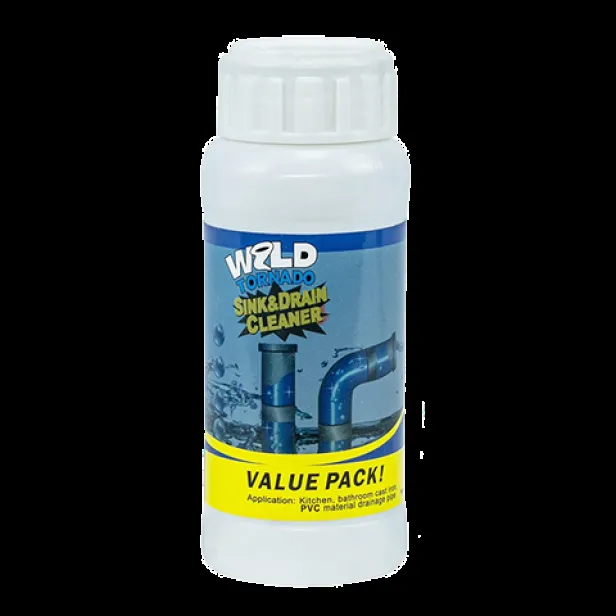
Clear hair and soap scum without harsh chemicals
SavingStars foaming drain cleaner: pour, add hot water, wait 20 minutes, flush. Non-corrosive and septic-safe according to the brand. $12.99, or from $6.99 each in bundles.
Check today's price →$12.99, or from $6.99 each in bundles
Step 3: When should you use a plunger?
If water still sits in the shower, a plunger can push or pull the clog loose:
- Use a cup plunger (the flat kind used for sinks).
- Make sure there's enough water to cover the plunger's cup.
- For a tub, block the overflow opening with a wet cloth so pressure isn't lost.
- Plunge firmly 10 to 15 times, then pull up quickly.
- Run hot water to test.
Don't plunge right after using a drain cleaner, since it can splash. Flush thoroughly with water first and follow the product's directions.
Step 4: What about a drain auger (snake)?
For clogs further down, a hand-crank drain auger (a flexible metal cable) can reach several feet into the pipe. Feed it in slowly, turn the handle when you feel resistance, and pull it back to bring the clog up. Be gentle with older pipes and tub drains, and be prepared for some mess. If you're not comfortable, this is a good point to call a plumber.
What should you avoid when unclogging a shower drain?
- Harsh caustic or acid drain cleaners: they can burn skin and eyes and may damage some pipes and finishes. Poison Control warns that many drain cleaners contain corrosive chemicals that can cause serious injuries.
- Mixing products: never combine drain cleaners with each other or with bleach. Health Canada warns that mixing cleaning products can release toxic gases.
- Boiling water on PVC pipes or porcelain-coated tubs: very hot tap water is enough.
- Coat hangers: they can scratch the drain and push the clog deeper.
- Forcing a snake through resistance in old pipes.
Does baking soda and vinegar unclog a shower drain?
The fizz looks impressive, but baking soda and vinegar mostly neutralize each other. They may freshen a drain and loosen very light buildup, but they rarely clear a real hair clog. Removing the hair physically and using a product designed for hair and soap scum works much better. See our guide on whether baking soda and vinegar really unclog drains and our guide to a natural drain cleaner.
Is a bathtub drain different?
Tub drains work the same way but often have a stopper mechanism that collects hair. Pop-up stoppers usually twist or pull out; trip-lever stoppers are connected to the overflow plate and can be pulled out after removing two screws. Clean hair off the stopper and linkage, then follow the steps above. Remember to block the overflow when plunging.
What if the shower drain smells?
A smelly shower drain is often caused by decomposing hair and gunk in the trap, or a dry trap in a shower that isn't used often. Clearing the buildup usually solves the smell, and running water weekly in unused showers keeps the trap full. If you smell sewer gas persistently, call a plumber, since vent or seal problems need professional repair.
How do you prevent shower drain clogs?
- Install a hair catcher: a cheap mesh or silicone cover that catches hair before it goes down. Empty it after each shower or every few days.
- Brush long hair before showering to shed loose hair into the trash.
- Run hot water for a minute after showers.
- Treat the drain monthly with a foaming cleaner if your household has long hair, pets or hard water.
- Rinse away pet hair and sand carefully, or bathe pets with a catcher in place.
- Clean the drain cover when you clean the shower.
See our guide on how to prevent clogged drains for the whole house.
What does a simple maintenance routine look like?
| How often | What to do |
|---|---|
| After each shower | Remove hair from the catcher; run hot water briefly |
| Weekly | Clean the drain cover while cleaning the shower |
| Monthly | Foaming drain treatment (e.g. SavingStars) as prevention |
| Twice a year | Remove the cover and pull hair with a plastic snake |
Do the same steps work for other drains?
Mostly, yes, with a few differences. Bathroom sinks clog with hair, toothpaste and soap, and the pop-up stopper is often where the hair collects; see how to unclog a bathroom sink. Kitchen sinks clog with grease and food rather than hair, so hot water and a foaming cleaner work well, but avoid pouring grease down the drain in the first place; see why a kitchen sink smells and how to fix it. Toilets are a different system: use a flange plunger or a toilet auger, not a drain cleaner meant for sinks and showers, unless the product says it's safe for toilets.
A good habit is to treat all the slow drains in the house on the same day each month. It takes a few minutes and saves you from the emergency clog that always seems to happen when guests are coming.
How does a clean drain fit into bathroom cleaning?
Drains are easy to forget when you clean the bathroom, but they're part of why a bathroom smells fresh or musty. When you do your weekly clean, lift the drain cover, remove hair and rinse it. Pair that with a no-scrub toilet routine (see how to clean a toilet) and you'll keep the whole room fresher with less effort.
When should you call a plumber?
Call a professional if several drains are slow at once (for example the shower and the toilet), water backs up into the tub when you flush, sewage smells persist, you hear constant gurgling, or the clog returns soon after clearing. These can point to a blockage further down the main line or a venting problem.
How much does it cost to unclog a shower drain?
Doing it yourself costs very little: a plastic drain snake costs a few dollars, a hair catcher about the same, and a foaming drain cleaner like SavingStars costs $12.99 for one bottle, down to $6.99 each in bundles. A plumber visit for a simple drain clog typically costs much more, which is why most people try the DIY steps first.
The bottom line
Most shower drain clogs are hair and soap scum close to the drain. Remove the cover and pull out the hair first, then dissolve the deeper buildup with a foaming cleaner made for hair and soap scum, and use a plunger or auger only if needed. A hair catcher and a monthly treatment keep the problem from coming back.
Our pick is SavingStars: pour, hot water, 20 minutes, flush. Check today's SavingStars price.
Sources
- Poison Control. What's in Drain Cleaner?
- Health Canada. Never Mix Bleach With Other Cleaning Products.
- Official SavingStars product page, checked October 2026.
Frequently asked questions
What is the fastest way to unclog a shower drain?
Remove the drain cover and pull out the hair with gloves or a plastic drain snake, then run hot water. Most shower clogs are hair just below the cover.
What dissolves hair in a shower drain?
Drain cleaners made for hair and soap scum, like the foaming SavingStars powder, break down buildup. Remove as much hair as possible by hand first.
Does baking soda and vinegar unclog a shower drain?
Rarely. The two mostly neutralize each other. They may freshen a drain but usually don't clear a real hair clog.
Is it safe to use drain cleaner in a shower?
Use products labeled safe for your pipes and follow directions. Avoid harsh caustic cleaners, and never mix drain cleaners with each other or with bleach.
How do I keep my shower drain from clogging?
Use a hair catcher, brush hair before showering, run hot water after showers and treat the drain monthly with a foaming cleaner.
When should I call a plumber for a shower drain?
If several drains are slow, water backs up when you flush, sewage smells persist or the clog returns quickly.

Michelle Hert
Michelle looks into the cleaning products that go viral in ads, from toilet foams to mini vacuums and drain cleaners. She reads the product pages, checkout and return policies, trusted safety sources and buyer feedback so you know what a product really does before you buy it. Her reviews are built on manufacturer information, official checkout and return policies, trusted safety sources and buyer feedback, and are updated when offers change. More about Michelle.