
- Keep grease, oil and food scraps out of the kitchen sink.
- Use hair catchers in showers and bathroom sinks.
- Run hot water after using sinks.
- Flush only toilet paper and waste down the toilet.
- Clean stoppers every couple of weeks.
- Give drains that tend to slow down a monthly maintenance treatment, for example a foaming drain cleaner like SavingStars.
Nobody thinks about their drains until one stops working. Then it's a sink full of dirty water, a shower that floods, or a toilet that threatens to overflow, usually at the worst possible moment. The good news is that most household clogs are completely preventable. They build up slowly from the same few causes, and a handful of habits stops them.
This guide goes room by room through what causes clogs, the habits that prevent them, a simple maintenance schedule and the early warning signs that a drain needs attention.
What causes most household clogs?
- Grease, oil and fat in kitchen drains: liquid when hot, they cool and harden on pipe walls and trap food.
- Food scraps: coffee grounds, rice, pasta, eggshells and fibrous vegetables.
- Hair in showers, tubs and bathroom sinks, bound together by soap scum.
- Soap scum from soap reacting with hard water minerals.
- Wipes and hygiene products in toilets. Even "flushable" wipes can cause problems.
- Small objects: bottle caps, jewelry, toys and toothpaste caps that slip off the counter.
- Mineral buildup from hard water, which narrows pipes over time.
How do you prevent kitchen sink clogs?
- Never pour grease down the drain. Let it cool, scrape it into the trash or a lidded container, and wipe greasy pans with a paper towel before washing.
- Scrape plates into the trash or compost before rinsing.
- Use a sink strainer to catch food bits, and empty it into the trash.
- Be careful with the garbage disposal: avoid coffee grounds, eggshells, pasta, rice, bones and fibrous foods like celery and onion skins. Run cold water while grinding and for 30 seconds after.
- Run hot water after washing dishes to keep residue moving.
See why a kitchen sink smells for how grease buildup also causes odors.
How do you prevent bathroom sink and shower clogs?
- Install hair catchers in the shower and tub, and a strainer or stopper guard in the sink. Empty them regularly.
- Brush hair before showering so loose hair goes in the trash.
- Wipe shaving hair into the trash instead of rinsing it down.
- Clean the pop-up stopper every couple of weeks.
- Run hot water for a minute after showers.
- Use less bar soap residue: liquid soaps and body washes tend to leave less scum.
If a drain already runs slowly, see how to unclog a shower drain and how to unclog a bathroom sink.
How do you prevent toilet clogs?
- Flush only toilet paper and human waste.
- Never flush wipes (even those labeled flushable), paper towels, cotton balls, dental floss, hygiene products or cat litter.
- Use a reasonable amount of toilet paper, and flush twice if needed rather than once with a large wad.
- Keep a trash can in every bathroom so people have an alternative.
- Teach kids what can and can't be flushed, and keep toys away from the toilet.
Does regular drain maintenance help?
Yes, especially for drains that clog often: busy family showers, sinks used for shaving, kitchen sinks in homes that cook a lot, and any drain in a hard water area. A monthly treatment breaks down the thin film of hair, soap scum and grease before it becomes a clog.
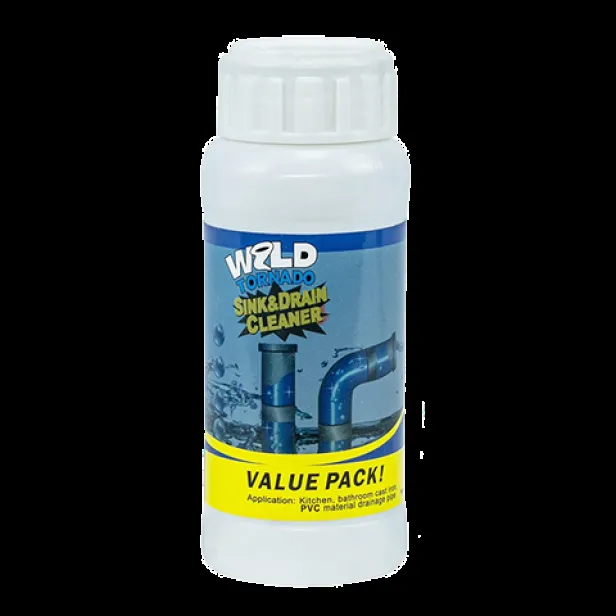
SavingStars is a foaming drain cleaner powder designed for hair, grease, soap scum and food buildup. According to the brand, you pour the powder into the drain, add about 1 liter (roughly 4 cups) of hot water, wait 20 minutes, then flush. The brand says it's non-corrosive and safe for PVC, metal pipes and septic systems, which makes it suitable for regular maintenance rather than only emergencies. Read our SavingStars review.
Monthly maintenance for drains that clog often
SavingStars foaming drain cleaner for hair, grease and soap scum: pour, add hot water, wait 20 minutes, flush. $12.99, or from $6.99 each in bundles.
Check today's price →$12.99, or from $6.99 each in bundles
What should you avoid when caring for drains?
- Harsh caustic drain cleaners as routine maintenance: Poison Control warns that many drain cleaners contain corrosive chemicals that can cause serious burns.
- Mixing products: Health Canada warns that mixing bleach with other cleaners can release toxic gases.
- Relying on baking soda and vinegar for real buildup; they mostly neutralize each other. See does baking soda and vinegar unclog drains?
- Pouring boiling water into PVC pipes or porcelain sinks repeatedly; hot tap water is enough.
What does a drain maintenance schedule look like?
| How often | What to do |
|---|---|
| Daily | Scrape plates, empty strainers and hair catchers, run hot water after use |
| Weekly | Scrub the disposal splash guard; run water in unused sinks and showers |
| Every 2 weeks | Clean bathroom sink stoppers |
| Monthly | Foaming drain treatment for busy or slow drains; clean the dishwasher filter |
| Yearly | Clean the P-traps; have older plumbing checked if you have recurring issues |
What are the early warning signs of a clog?
- Water draining more slowly than it used to.
- Gurgling sounds from drains or the toilet after use.
- Musty or sewer smells coming from the drain.
- Water backing up in one fixture when another is used.
- Toilet water level rising higher than normal after flushing.
Act at the first sign. A slow drain is much easier to fix than a complete blockage, and a quick cleaning of the stopper or a maintenance treatment at this stage usually solves it in minutes, without tools or a plumber.
Why doesn't hot water and dish soap make grease safe?
It's a common belief that if you pour grease down the drain with plenty of hot water and dish soap, it will wash away. In reality, the hot water only keeps the grease liquid for a short distance. As it travels through cooler pipes, especially in winter or in long drain runs, it cools, separates and sticks to the pipe walls. Food particles then get caught in the sticky layer, and over months a thick coating builds up that narrows the pipe. Dish soap helps break grease into smaller droplets, but those droplets can recombine further down the line. That's why plumbers and many city water departments ask people to keep fats, oils and grease out of drains entirely.
The easiest habit is to keep an old jar or can by the stove. Pour cooled grease into it, and when it's full, close it and put it in the trash. Wipe pans with a paper towel before washing them. These two small steps prevent the most common kitchen clog of all.
What should you check when you move into a new home?
When you move in, it's worth a quick drain check before problems surprise you. Run water in every sink, tub and shower for a minute and watch how quickly it drains. Flush every toilet and listen for gurgling. Look under sinks for leaks or water stains, and check whether the stoppers are full of the previous owner's hair. Find the main water shut-off and, if there is one, the sewer cleanout. A one-time cleaning of the stoppers and traps, plus a maintenance treatment in each drain, gives you a fresh start and a clear picture of any drains that need extra attention.
How does hard water affect drains?
Hard water carries dissolved calcium and magnesium; the USGS explains that much of the US has moderately hard to very hard water. These minerals react with soap to form more scum and can slowly build up scale inside pipes. If you have very hard water, regular drain maintenance matters more, and a water softener can help the whole plumbing system.
How do you get the whole household on board?
Most clogs are caused by everyday habits, so the people using the drains are the best prevention. Make it easy for everyone. Put a small lidded container next to the stove for cooled grease. Keep a strainer in the kitchen sink at all times. Put hair catchers in every shower and a small trash can in every bathroom, with a clear note that wipes and hygiene products go there, not down the toilet. Teach kids early what can be flushed and what can't, and remind teenagers to brush their hair before showering. Guests may not know your house rules, so a small sign in the guest bathroom can help.
When everyone does their part, drains rarely clog, and the monthly maintenance treatment becomes a simple insurance policy rather than a rescue mission.
What about vacation homes and rentals?
Drains in homes that sit empty for weeks can develop odors as trap water evaporates, and rental properties often see more misuse of toilets and sinks. Run water in every fixture before you leave and when you arrive, post simple rules for guests about what can be flushed, provide trash cans in every bathroom, and schedule a monthly maintenance treatment in busy rentals. Catching small problems early saves an emergency plumber call on a holiday weekend.
When should you call a plumber?
Call a professional if several drains are slow at the same time, water backs up into the tub or shower when you flush, you smell sewage, or clogs keep returning despite good habits. These can point to a problem in the main sewer line, tree roots or venting issues that need professional tools.
The bottom line
Most clogs are preventable: keep grease and food out of the kitchen drain, catch hair in bathrooms, flush only toilet paper, run hot water after use and clean stoppers regularly. Give drains that tend to slow down a monthly maintenance treatment, and act at the first sign of slow draining.
For easy monthly maintenance, our pick is SavingStars. Check today's SavingStars price, and see our guide to a natural drain cleaner.
Sources
- Poison Control. What's in Drain Cleaner?
- Health Canada. Never Mix Bleach With Other Cleaning Products.
- U.S. Geological Survey. Hardness of Water.
Frequently asked questions
How can I prevent my drains from clogging?
Keep grease and food out of the kitchen sink, use hair catchers in bathrooms, flush only toilet paper, run hot water after use, clean stoppers and treat slow-prone drains monthly.
What should you never put down a drain?
Grease, oil and fat, coffee grounds, rice, pasta, eggshells, fibrous vegetables, wipes, paper towels, cotton balls, dental floss, hygiene products and cat litter.
Are flushable wipes safe for drains?
Many plumbers advise against flushing any wipes, including those labeled flushable, because they don't break down like toilet paper and can cause clogs.
How often should I clean my drains?
Clean stoppers every couple of weeks and give busy or slow drains a monthly maintenance treatment.
Is it safe to use drain cleaner every month?
Use a product labeled for regular maintenance and safe for your pipes, and follow directions. Avoid harsh caustic cleaners for routine use and never mix products.
What are the warning signs of a clog?
Slow draining, gurgling, musty or sewer smells, water backing up in another fixture and a toilet water level that rises higher than usual.

Michelle Hert
Michelle looks into the cleaning products that go viral in ads, from toilet foams to mini vacuums and drain cleaners. She reads the product pages, checkout and return policies, trusted safety sources and buyer feedback so you know what a product really does before you buy it. Her reviews are built on manufacturer information, official checkout and return policies, trusted safety sources and buyer feedback, and are updated when offers change. More about Michelle.