
- Turn off the power at the switch (and unplug it if you can) before reaching in.
- Scrub the splash guard, top and underside, with an old toothbrush and dish soap.
- Grind ice cubes with a little coarse salt to scour the chamber.
- Flush with cold water while it runs, then hot water after.
- Treat the drain pipe with a foaming drain cleaner to remove grease film further down.
You walk into the kitchen and there it is: a sour, rotten or musty smell coming from the sink. The dishes are done and the trash is out, but the odor keeps coming back. Very often, the culprit is the garbage disposal.
A disposal grinds food into small particles, but some of those particles never make it down the drain. They stick to the grinding chamber, hide under the rubber splash guard and coat the pipe below with greasy film, where bacteria break them down and release odors. The fix is a good cleaning and a few simple habits. This guide walks you through both, safely.
Why does my garbage disposal smell?
- Food stuck under the splash guard: the rubber flaps on top trap bits of food and grime on their underside, which most people never clean.
- Residue in the grinding chamber: fibrous and starchy foods leave a paste that clings to the walls.
- Grease and oil: they cool and harden in the disposal and the pipe, catching food particles.
- Not enough water: running the disposal with a trickle of water leaves ground food sitting in the drain.
- Infrequent use: food left in the chamber for days starts to rot.
- A slow or partially clogged drain further down the line.
- The dishwasher connection: many dishwashers drain through the disposal, so a dirty disposal can make the dishwasher smell too.
How do you clean a garbage disposal safely?
Safety comes first, because a disposal has sharp parts and a powerful motor.
- Never put your hand in the disposal. Even with the power off, use tongs or pliers to remove objects.
- Turn off the wall switch before cleaning, and unplug the unit under the sink or switch off the breaker if you'll be working near the opening.
- Don't use harsh drain chemicals in a disposal unless the manufacturer says they're safe. Many caustic cleaners can damage seals and metal parts, and they can splash. Poison Control notes that many drain cleaners contain strong alkalis or acids that cause serious burns.
- Never mix cleaning products. Health Canada warns that combining products like bleach with ammonia or acids can release toxic gases.
How do you clean a smelly garbage disposal step by step?
- Power off. Turn off the switch and unplug the unit if possible.
- Check for objects. Shine a flashlight into the chamber and remove anything that shouldn't be there with tongs.
- Clean the splash guard. Lift the flaps and scrub the top and the underside with an old toothbrush and dish soap. Many guards pop out completely for cleaning. This step alone often removes most of the smell.
- Scrub the chamber opening as far as the brush reaches, without putting your fingers inside.
- Restore power and grind ice. Drop in a couple of cups of ice cubes and a handful of coarse salt, run cold water and turn the disposal on. The ice and salt scour the grinding plate and the walls.
- Flush. Keep cold water running for 30 seconds after the grinding stops.
- Freshen. Grind a few small pieces of lemon or orange peel with cold water for a fresh scent.
- Treat the drain pipe (see below) to remove the grease film that causes lingering odors.
What if the smell is still there after cleaning?
If the disposal itself is clean but the smell persists, the source is usually further down: a greasy coating inside the drain pipe and the trap below the sink. Ice and citrus don't reach that far. This is where a foaming drain cleaner helps, because the foam expands into the pipe and stays in contact with its walls.
SavingStars is a foaming drain cleaner powder designed for grease, food buildup, hair and soap scum. According to the brand, you pour it into the drain, add about 1 liter (roughly 4 cups) of hot water, wait 20 minutes and flush. The brand describes it as non-corrosive and safe for PVC, metal pipes and septic systems. As always with a disposal, check your unit's manual for which products the manufacturer allows, keep the disposal switched off while the product works, and flush thoroughly with water afterward. It costs $12.99, or as little as $6.99 each in bundles. Read our SavingStars review, where we rate it 4.4/5.

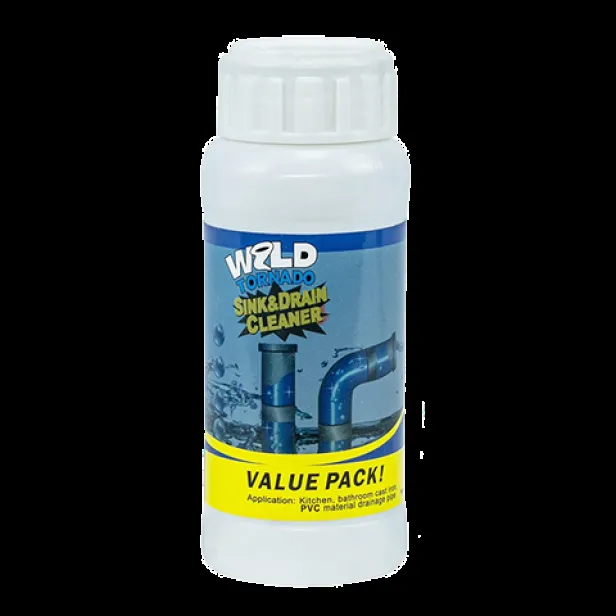
Clear the grease film that causes sink odors
SavingStars foaming drain cleaner for grease, food buildup and soap scum: pour, add hot water, wait 20 minutes, flush. $12.99, or from $6.99 each in bundles, with a 30-day refund guarantee.
Check today's price →$12.99, or from $6.99 each in bundles
What should you never put in a garbage disposal?
| Avoid | Why |
|---|---|
| Grease, oil and fat | Hardens in the pipe and traps food |
| Fibrous foods (celery, corn husks, onion skins, artichokes) | Strands wrap around the parts and clog the drain |
| Starchy foods (pasta, rice, potato peels) | Swell and form a sticky paste |
| Coffee grounds | Build up like sediment in the pipe |
| Eggshells in large amounts | Membranes cling and shells add grit |
| Bones and fruit pits | Can jam or damage the unit |
| Non-food items | Twist ties, paper, plastic and glass can damage the disposal |
When in doubt, scrape it into the trash or compost instead.
Which daily habits keep a disposal fresh?
- Run cold water before, during and for 15 to 30 seconds after grinding. Cold water keeps grease solid so it's chopped and carried away rather than coating the pipe.
- Grind small amounts at a time instead of stuffing the chamber.
- Use it regularly. Even if you didn't put food in, a quick run with water every couple of days prevents residue from sitting.
- Scrape greasy pans into the trash and wipe them with a paper towel before washing.
- Clean the splash guard weekly. It takes one minute with a brush.
- Treat the drain monthly with a foaming cleaner.
Our guide on how to prevent clogged drains covers more habits that protect your pipes.
Do baking soda and vinegar clean a disposal?
It's a popular tip. The fizz from baking soda and vinegar looks dramatic and can help loosen light residue near the top, and baking soda on its own absorbs some odors. But the two mostly neutralize each other, so the reaction isn't a deep cleaner and won't remove grease film down the pipe. It's fine as a quick freshener between proper cleanings. For more on this, see does baking soda and vinegar unclog drains?
Is it the disposal or the drain itself?
Not every sink smell comes from the disposal. Here's how to narrow it down:
- Smell only when the disposal runs: food residue in the chamber or under the splash guard.
- Constant sour smell from the sink: grease film in the drain pipe or trap.
- Sewer or rotten-egg smell: a dry trap, a venting problem or a sewer line issue.
- Smell from the other side of a double sink: buildup in that drain or the shared pipe.
- Musty smell from under the sink: a slow leak soaking the cabinet floor.
Our guide to why kitchen sinks smell goes through each cause in detail.
Can a dirty disposal make the dishwasher smell?
Yes. Many dishwashers drain into the garbage disposal through a hose connected to its side. If the disposal and the pipe are full of food residue, dirty water can sit near the dishwasher's drain connection and odors can travel back. Run the disposal with cold water before starting the dishwasher, so the drain is clear and the dishwasher can empty properly. Clean the dishwasher filter regularly too; most lift out from the bottom of the tub and rinse clean under the tap.
Why are there little flies around the kitchen sink?
Small fuzzy flies around a sink or disposal are often drain flies, which breed in the greasy film inside pipes. Fruit flies are drawn to food scraps and sweet residue. Both point to the same fix: clean the disposal, the splash guard and the drain pipe thoroughly, and keep doing it for two weeks so new hatches don't take over. See how to get rid of drain flies.
What if the disposal hums but doesn't turn?
A humming sound with no grinding usually means the disposal is jammed. Turn off the power and unplug it. Many units have a hex socket on the bottom: insert the Allen wrench that came with the disposal and work it back and forth to free the plate. Remove any object you can see with tongs. Then press the red reset button on the bottom of the unit, restore power, run cold water and try again. If it still won't turn, or it trips the breaker, call a plumber or an appliance technician. Never use your hand to free a jam.
When should you call a plumber?
Call a professional if the smell persists after a thorough cleaning and drain treatment, the sink drains slowly even with the disposal clear, water leaks from the bottom of the unit, there's a sewer smell in several drains, or the disposal repeatedly jams or trips the breaker. An older disposal with worn seals or a cracked housing may need replacing. Most disposals last around 8 to 15 years, depending on use.
The bottom line
A smelly garbage disposal is a buildup problem: food under the splash guard, residue in the chamber and grease in the pipe. Turn off the power, scrub the splash guard, grind ice and salt with cold water, freshen with citrus peels and treat the drain pipe with a foaming cleaner. Then run cold water every time you use it, keep grease out of the sink and repeat the drain treatment monthly.
Our pick for the drain side of the job is SavingStars. Check today's SavingStars price.
Sources
- Poison Control. What's in Drain Cleaner?
- Health Canada. Never Mix Bleach With Other Cleaning Products.
- Official SavingStars product page, checked October 2026.
Frequently asked questions
Why does my garbage disposal smell so bad?
Food residue sticks to the grinding chamber and the underside of the rubber splash guard, and grease coats the drain pipe, where bacteria break it down and release odors.
How do I get rid of the smell in my garbage disposal?
Turn off the power, scrub the splash guard top and underside, grind ice and coarse salt with cold water, freshen with citrus peels and treat the drain pipe with a foaming cleaner.
Should I run hot or cold water with a garbage disposal?
Cold water while grinding, so grease stays solid and gets carried away. Run it for 15 to 30 seconds after you finish.
Can I pour drain cleaner in a garbage disposal?
Avoid harsh caustic cleaners, which can damage seals and splash. Check your manual for allowed products, keep the disposal off while a product works and flush well.
What should you not put in a garbage disposal?
Grease, fibrous foods like celery and corn husks, starchy foods like pasta and rice, coffee grounds, bones, fruit pits and any non-food items.
Do baking soda and vinegar clean a garbage disposal?
They can freshen it and loosen light residue near the top, but they mostly neutralize each other and won't remove grease film in the pipe.

Michelle Hert
Michelle looks into the cleaning products that go viral in ads, from toilet foams to mini vacuums and drain cleaners. She reads the product pages, checkout and return policies, trusted safety sources and buyer feedback so you know what a product really does before you buy it. Her reviews are built on manufacturer information, official checkout and return policies, trusted safety sources and buyer feedback, and are updated when offers change. More about Michelle.