- Biofilm and hair rotting in the drain: musty or sour smell. Fix: remove hair, scrub the drain, use a foaming drain cleaner like SavingStars.
- Dry P-trap in a rarely used shower: sewer smell. Fix: run water for a minute to refill the trap.
- Mold or mildew around the drain and grout: musty smell. Fix: clean and dry the area, improve ventilation.
- Vent or plumbing problems: persistent sewer smell. Fix: call a plumber.
You've scrubbed the shower walls, washed the curtain and the bathroom still smells off, especially right after a shower. More often than not, the culprit is the drain. Hair, soap scum and skin oils collect inside it and break down, and in some cases sewer gas sneaks up through a dry or damaged trap. The good news is that most shower drain smells are easy to fix.
This guide explains the common causes of shower drain smells, how to identify yours by the type of smell, step-by-step fixes, when it might be a plumbing problem and how to keep the drain smelling fresh.
What does the smell tell you?
| Smell | Likely cause | First step |
|---|---|---|
| Musty or moldy | Biofilm, mold, mildew | Clean drain and grout, ventilate |
| Sour or rotten | Hair and soap scum decomposing | Remove hair, foaming cleaner |
| Rotten eggs or sewage | Dry trap, vent or seal problem | Run water; call a plumber if it continues |
| Chemical smell | Leftover cleaning product | Rinse well, ventilate |
What is the slimy gunk in the drain?
Biofilm is a layer of bacteria that grows on wet surfaces, feeding on soap, skin cells and hair. It builds up inside drains and on the underside of drain covers, and it produces musty or sour odors. Removing the physical gunk is the most important step.
How do you fix a smelly shower drain?
- Remove the drain cover (unscrew or lift it out).
- Pull out hair and gunk with gloves and a plastic drain snake; see hair clog in drain.
- Scrub the drain opening and cover with an old toothbrush and soapy water.
- Use a foaming drain cleaner to reach biofilm inside the pipe.
- Flush with hot tap water for a minute.
- Clean nearby grout and caulk where mildew grows.
- Dry the shower and run the fan.
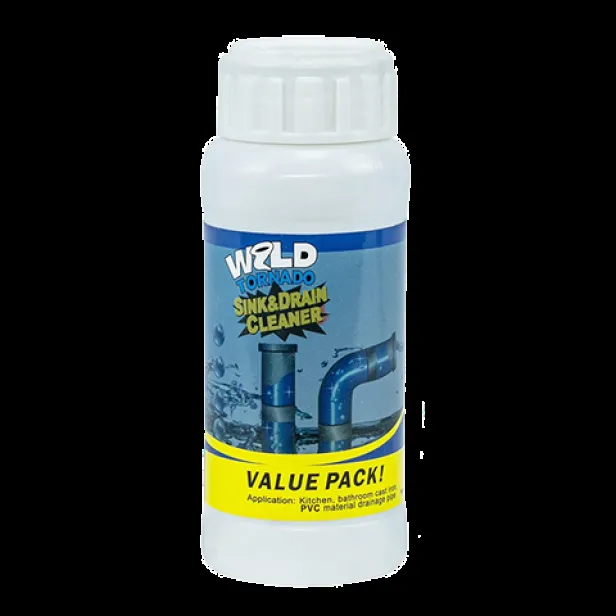
Foam that reaches inside the pipe
SavingStars Drain Cleaner: foaming powder for hair, grease and soap scum. Pour, add hot water, wait 20 minutes, flush. $12.99, or from $6.99 each in bundles.
Check today's price →$12.99, or from $6.99 each in bundles
Why use a foaming drain cleaner?
Foam expands to coat the inside of the pipe, reaching biofilm a liquid might rush past. SavingStars is a foaming powder for hair, grease and soap scum: pour it in, add hot water, wait about 20 minutes and flush. Ventilate and follow the label. Never mix it with bleach or other products; Health Canada warns that mixing cleaning products can create toxic gases. Read our SavingStars review.
What if the smell is like sewage?
Every drain has a P-trap, a curved pipe that holds water to block sewer gases. In a shower that isn't used often, the water can evaporate, letting gas rise into the bathroom. Run water for about a minute to refill the trap. If you have a guest shower, run water weekly. If the smell returns quickly, the trap may be leaking, the vent may be blocked or a seal may be damaged; call a plumber. See sewer smell in the bathroom.
How do you deal with mold around the drain?
Mold and mildew grow where water sits. Clean grout and caulk around the drain with a mildew cleaner (used alone), scrub with a brush, rinse and dry. Improve ventilation by running the fan during and after showers. The EPA explains that controlling moisture is key to preventing mold. See pink mold in the shower.
Do baking soda and vinegar help?
They can freshen a drain and loosen light buildup, but they won't remove hair or thick biofilm. Use them for maintenance after a thorough cleaning. See baking soda and vinegar for drains.
How do you keep the drain smelling fresh?
- Use a hair catcher and empty it after showers.
- Scrub the drain cover weekly.
- Run hot water for 30 seconds after showers.
- Do a monthly foaming clean.
- Keep the bathroom ventilated.
- Run water in unused showers weekly.
What if the drain is also slow?
A slow, smelly drain usually means a buildup of hair and soap. Clearing the clog often fixes both problems. See how to unclog a shower drain.
When should you call a plumber?
- A strong sewage smell that returns after running water.
- Gurgling from the drain when other fixtures are used.
- Water backing up in the shower when the toilet flushes.
- Visible leaks or damage under the shower.
How much does SavingStars cost?
SavingStars is $12.99 for one, $8.99 each for three, $7.85 each for five or $6.99 each for seven. Returns are accepted within 30 days for unused products in original packaging.
What about the tub overflow?
In shower-tub combos, the overflow opening below the faucet can collect soap scum, hair and biofilm that smell musty. Unscrew the overflow plate, scrub behind it with a brush and soapy water, and pour a little foaming cleaner into the overflow opening if the product label allows. Rinse with hot water. Many people clean the drain but forget the overflow, which keeps the smell coming back.
Could the smell be coming from somewhere else?
Sometimes the drain gets blamed for smells from a damp shower curtain, bath mat, towels or mildewed caulk. Wash curtains and bath mats regularly, hang towels to dry fully, replace moldy caulk and check under the bathroom sink for leaks. If the smell is strongest right at the drain, though, the drain is the likely source.
Why do new or remodeled showers smell?
In new or remodeled bathrooms, a drain that wasn't sealed properly or a trap that was installed incorrectly can let sewer gas in. If a new shower smells like sewage, contact the installer or a plumber right away.
What's a simple weekly routine?
- Monday: empty the hair catcher and rinse the cover.
- Midweek: run hot water for a minute after a shower.
- Weekend: scrub the drain opening and nearby grout.
- Monthly: foaming drain clean and overflow check.
These quick steps keep odors from building up again.
What mistakes keep the smell coming back?
- Pouring air freshener or scented products down the drain instead of cleaning it.
- Only cleaning the drain cover, not the inside of the drain.
- Leaving the shower and bathroom damp with no ventilation.
- Mixing cleaning products, which is dangerous and doesn't work better.
- Ignoring a slow drain, which means gunk keeps building.
- Using very hot boiling water on plastic pipes.
Does a septic system cause drain smells?
In homes with septic systems, odors in several drains or outdoors near the tank can mean the system needs attention, such as pumping or repair. The EPA has guidance on caring for septic systems. A single smelly shower drain is more likely a drain issue, but widespread odors deserve a professional check.
How do you keep a kids' shower fresh?
Kids' showers collect hair, bath toys and soap. Store toys so they can dry, clean bath toys regularly, use a hair catcher and run the fan. A quick weekly drain cleaning keeps smells away.
Which tools help?
An old toothbrush, a plastic drain snake, rubber gloves, a screwdriver for the drain cover and a foaming drain cleaner are all you need for most smelly shower drains.
How do you remove a stuck drain cover?
Many shower drain covers are held by one or two screws; others snap in or twist off. If a cover won't budge, check for hidden screws under the cap, use a flat-head screwdriver gently around the edge to pry it up, or try a drain key tool from a hardware store. Avoid forcing it with metal tools that can scratch the shower floor. Once it's off, clean the cover thoroughly; its underside is often where most of the smell lives.
Why does grout near the drain smell?
Grout is porous and can absorb water, soap and body oils. Around the drain, where water pools, grout can develop mildew and odors. Scrub grout with a stiff brush and a mildew cleaner, rinse, dry and consider sealing it once it's clean. Cracked or missing grout lets water seep underneath, which can cause bigger problems; repair it promptly.
How much does ventilation help?
A lot. Running the bathroom fan during showers and for 20 to 30 minutes afterward removes moisture that feeds biofilm and mildew. Leave the shower door or curtain open after showering so the space dries faster. If your bathroom has no fan, open a window or use a small portable fan.
With a clean drain and a dry bathroom, your shower can smell fresh every day.
Enjoy your shower.
The bottom line
Most shower drain smells come from hair and biofilm in the drain, a dry trap or mildew around it. Remove hair, scrub the drain and cover, use a foaming cleaner, flush with hot water and keep the area dry. A sewage smell that returns needs a plumber.
For the cleaning step, our pick is SavingStars. Check today's SavingStars price.
Sources
- Health Canada. Never mix bleach with other cleaning products.
- U.S. Environmental Protection Agency. A Brief Guide to Mold, Moisture and Your Home.
- Official SavingStars product page, checked October 2026.
Frequently asked questions
Why does my shower drain smell?
Usually hair and biofilm decomposing in the drain, a dry trap or mildew around it.
How do I get rid of a smelly shower drain?
Remove hair, scrub the drain and cover, use a foaming cleaner and flush with hot water.
Why does my shower drain smell like sewage?
A dry P-trap or a vent or seal problem; run water and call a plumber if it returns.
Does baking soda and vinegar fix drain smells?
It can freshen a drain but won't remove hair or thick biofilm.
How do I prevent drain smells?
Use a hair catcher, clean the cover weekly, ventilate and do monthly maintenance.
Is it safe to mix drain cleaners?
No, never mix them with bleach or other products.

Michelle Hert
Michelle looks into the cleaning products that go viral in ads, from toilet foams to mini vacuums and drain cleaners. She reads the product pages, checkout and return policies, trusted safety sources and buyer feedback so you know what a product really does before you buy it. Her reviews are built on manufacturer information, official checkout and return policies, trusted safety sources and buyer feedback, and are updated when offers change. More about Michelle.