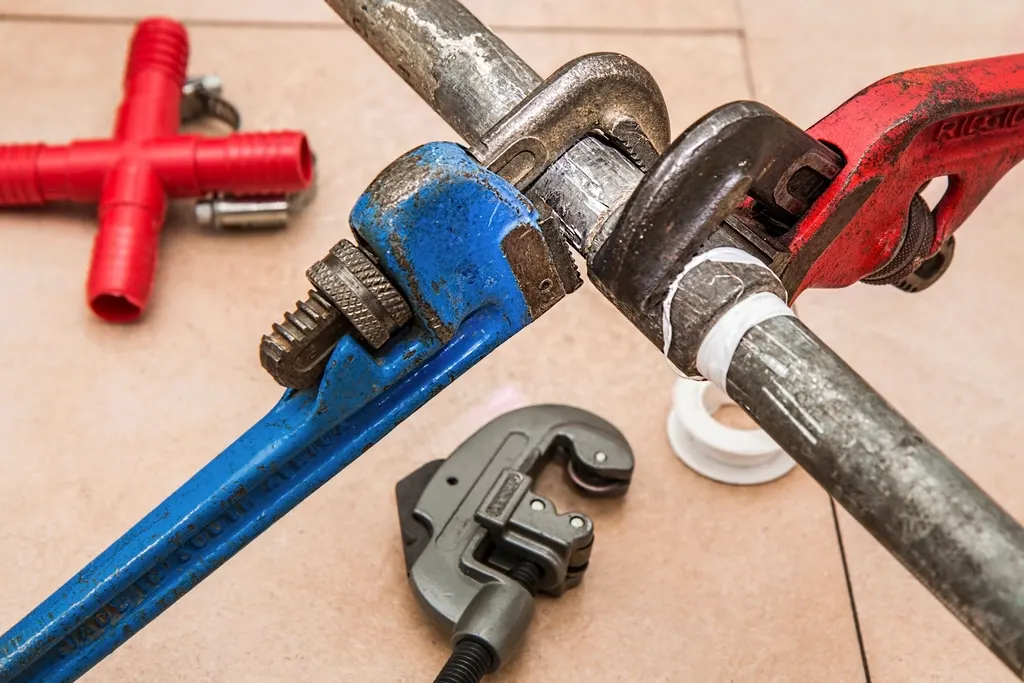
- A plastic drain snake to pull hair out.
- A plunger.
- Cleaning the stopper or P-trap by hand.
- A hand auger for deeper clogs.
- A non-corrosive foaming drain cleaner made for hair, grease and soap scum, like SavingStars: pour, add hot water, wait 20 minutes, flush.
When a sink or shower backs up, many people reach for a bottle of strong chemical drain cleaner, such as Drano or similar caustic gels and crystals. They can work, but they come with warning labels for a reason: many contain highly corrosive ingredients that can burn skin and eyes, damage some pipes and finishes, and create dangerous situations if they're mixed with other products or splash back during plunging.
If you'd rather avoid harsh chemicals, or simply want something that's easier to use regularly, there are effective alternatives. This guide covers them, from simple tools to gentler products, and explains which works best for which kind of clog.
Why look for alternatives to harsh drain cleaners?
Poison Control explains that many drain cleaners contain strong alkalis like sodium hydroxide or strong acids like sulfuric acid, which can cause serious burns to skin, eyes and the digestive tract if swallowed. Other concerns:
- Splash-back when plunging or snaking after using a caustic cleaner.
- Heat from some reactions, which can stress older pipes and finishes.
- Dangerous mixtures if another product is already in the drain.
- Children and pets in the home.
- Standing water: if the drain is fully blocked, a caustic cleaner can sit in the sink or tub, creating a hazard.
How does a plastic drain snake work?
A plastic drain snake is a thin, flexible strip with small barbs along its edges. It costs a few dollars and is often the single most effective tool for bathroom clogs, which are mostly hair. Remove the drain cover or stopper, push the snake down, twist and pull it out slowly. It usually brings up a clump of hair and gunk. Repeat a few times, then run hot water. See how to unclog a shower drain.
How do you use a plunger correctly?
- Use a cup plunger for sinks, tubs and showers, and a flange plunger for toilets.
- Make sure there's enough water to cover the cup.
- Block the overflow hole in sinks and tubs with a wet cloth so pressure isn't lost.
- Plunge firmly 10 to 15 times, then pull up sharply.
- For a double kitchen sink, block the other drain.
Never plunge right after using a caustic chemical cleaner, since it can splash. If you've used any drain product, flush it away with plenty of water first, following the label.
When should you clean the P-trap?
The U-shaped pipe under a sink often holds the clog, or a dropped ring. Put a bucket underneath, loosen the slip nuts, remove the trap, empty and clean it, and reassemble hand-tight. It's a 15-minute job with no chemicals at all. See how to unclog a bathroom sink.
What about a hand auger?
For clogs deeper in the pipe, a hand-crank drain auger (a flexible metal cable) can reach several feet in. Feed it in slowly, crank when you feel resistance, and pull back to retrieve or break up the clog. Be gentle with older pipes. If you can't clear it, it's time for a plumber.
What is a gentler drain cleaner that still works?
For buildup you can't reach with a snake, like soap scum and hair further down a shower drain, or a grease film coating a kitchen pipe, a product is still useful. A non-corrosive foaming drain cleaner is a middle ground between doing nothing and using harsh chemicals.
SavingStars is a foaming drain cleaner powder designed for hair, grease, soap scum and food buildup. According to the brand, you pour the powder into the drain, add about 1 liter (roughly 4 cups) of hot water, wait 20 minutes and flush. The foam expands into the pipe to break down buildup. The brand says it's non-corrosive and safe for PVC, metal pipes and septic systems, so it can be used for regular maintenance as well as slow drains. It costs $12.99, or as little as $6.99 each in bundles. Read our SavingStars review, where we rate it 4.4/5.
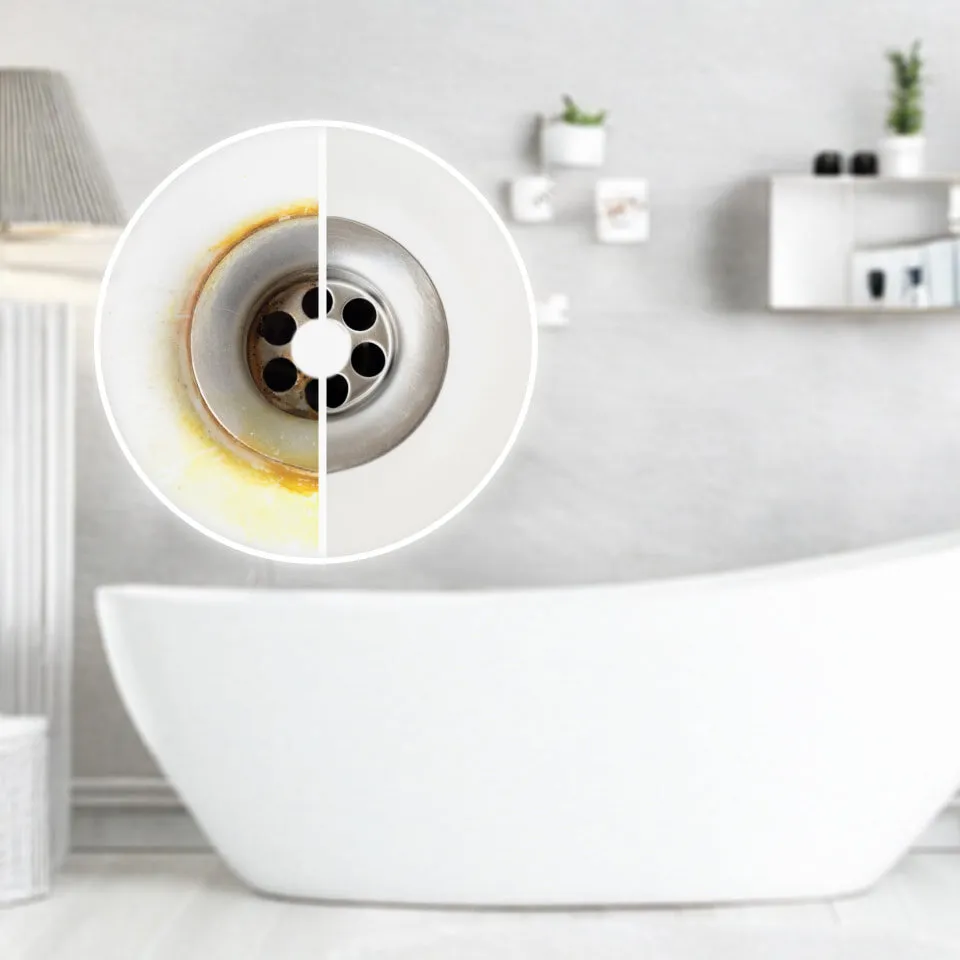
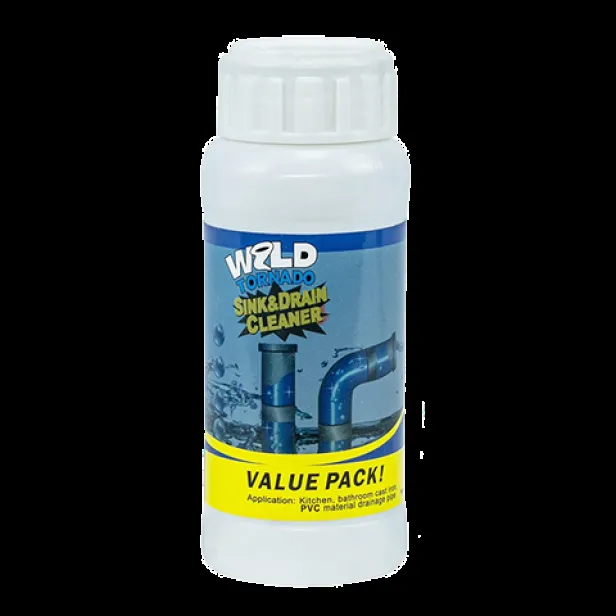
A non-corrosive alternative for slow drains
SavingStars foaming drain cleaner for hair, grease and soap scum: pour, add hot water, wait 20 minutes, flush. $12.99, or from $6.99 each in bundles, with a 30-day refund guarantee.
Check today's price →$12.99, or from $6.99 each in bundles
Which alternative works best for each clog?
| Clog | Best first step | Next step |
|---|---|---|
| Shower or tub (hair) | Remove cover; plastic snake | Foaming cleaner; plunger |
| Bathroom sink | Clean the stopper; plastic snake | Foaming cleaner; clean P-trap |
| Kitchen sink (grease, food) | Hot water; clean strainer and disposal guard | Foaming cleaner; plunger; clean P-trap |
| Toilet | Flange plunger | Toilet auger; plumber |
| Deep or recurring clog | Hand auger | Plumber |
Do baking soda and vinegar work instead?
It's the most popular "natural" alternative, but the two mostly neutralize each other, producing bubbles, water and a mild salt. The fizz looks powerful but rarely clears hair or grease clogs. It's fine as a freshener. For a real clog, use a snake, a plunger or a product designed for the job. See does baking soda and vinegar unclog drains? and our guide to a natural drain cleaner.
Does boiling water clear drains?
Hot water helps move fresh grease and soap residue, but boiling water can damage PVC pipe joints and crack porcelain sinks or toilets. Very hot tap water is usually enough. It won't clear hair clogs.
What safety rules matter most?
- Never mix drain products, or follow one with another without flushing thoroughly. Health Canada warns that mixing cleaning products can release toxic gases.
- Wear gloves and eye protection when working on clogs, even with gentle methods, since drain water is dirty.
- If you've used a chemical cleaner and the drain is still blocked, tell the plumber exactly what you used.
- Keep all drain products away from children and pets.
How do you avoid needing a drain cleaner at all?
- Use hair catchers in showers and sinks.
- Keep grease and oil out of the kitchen drain.
- Scrape plates and always use a sink strainer.
- Run hot water after use, especially in the kitchen.
- Clean stoppers regularly and treat slow-prone drains monthly.
See our full guide on how to prevent clogged drains.
What should be in a chemical-free drain kit?
Keeping a small kit on hand means you'll deal with slow drains quickly, before they become emergencies. A good kit includes rubber gloves, a plastic drain snake or two, a cup plunger for sinks and showers, a flange plunger for the toilet, a small bucket and old towels for P-trap work, a flashlight, adjustable pliers, and a bottle of non-corrosive foaming drain cleaner for monthly maintenance. Add a hand auger if your home has older plumbing or drains that clog often. Store everything together under the bathroom or kitchen sink, so you're never tempted to grab a harsh product just because it's the only thing in the cupboard.
With a kit like this, most clogs take 10 to 20 minutes to clear, and you'll rarely need anything stronger.
What if you already poured a chemical cleaner and it didn't work?
It happens often: you pour in a strong drain cleaner, wait, and the water still won't go down. Now the sink or tub holds water mixed with a corrosive product, which makes the next step riskier. Don't plunge and don't add a different product, since splashing or mixing can cause burns or release fumes. Instead, read the label of the product you used for its instructions on what to do if the clog doesn't clear; many say to flush with plenty of water once the drain allows it. Wear gloves and eye protection, keep children and pets away, and ventilate the room.
If the water still won't drain, it's safest to call a plumber and tell them exactly which product is in the pipe, so they can protect themselves and choose the right approach. In the future, start with the mechanical methods in this guide: they're often faster, and they don't leave you with a sink full of chemicals if the clog is stubborn.
How do the costs compare?
A plastic drain snake and a good plunger together cost less than a single bottle of many premium chemical cleaners, and they last for years. A hand auger is a modest one-time purchase. A non-corrosive foaming cleaner like SavingStars costs $12.99 per bottle, or less in bundles, and is used once a month for maintenance. Compared with an emergency plumber visit, any of these options pays for itself the first time it clears a drain.
What if you have a septic system?
Septic systems rely on bacteria to break down waste, and large amounts of harsh chemicals can upset that balance. Mechanical methods like snakes, plungers and augers are ideal, and when you use a product, choose one labeled septic-safe and use the recommended amount. Keeping grease, wipes and food out of the drains matters even more with septic, since clogs and buildup can affect the whole system.
When should you call a plumber?
Call a professional if several drains are slow at the same time, water backs up into the tub when you flush, you smell sewage, the clog returns quickly, or you can't clear it with a snake, plunger or auger. Main line clogs and tree roots need professional equipment.
The bottom line
You don't need harsh, corrosive drain cleaners to deal with most household clogs. Pull hair out with a plastic snake, plunge correctly, clean the stopper or P-trap, and use a hand auger for deeper clogs. For buildup you can't reach, a non-corrosive foaming cleaner breaks down hair, grease and soap scum with far less risk.
Our pick is SavingStars. Check today's SavingStars price.
Sources
- Poison Control. What's in Drain Cleaner?
- Health Canada. Never Mix Bleach With Other Cleaning Products.
- Official SavingStars product page, checked October 2026.
Frequently asked questions
What can I use instead of Drano?
A plastic drain snake, a plunger, cleaning the stopper or P-trap, a hand auger, or a non-corrosive foaming drain cleaner designed for hair, grease and soap scum.
Why avoid harsh chemical drain cleaners?
Many contain strong alkalis or acids that can cause serious burns, splash back when plunging, react dangerously with other products and stress some pipes.
What is the best way to unclog a hair-clogged drain?
Remove the cover and pull the hair out with a plastic drain snake, then use a foaming cleaner for remaining buildup.
Is SavingStars a chemical drain cleaner?
It's a foaming drain cleaner powder that the brand describes as non-corrosive and safe for PVC, metal pipes and septic systems.
Can I plunge after using a drain cleaner?
Only after flushing the product away with plenty of water as the label directs. Plunging right after a caustic cleaner can splash it onto you.
Does boiling water unclog drains?
Hot water helps with fresh grease and soap residue, but boiling water can damage PVC joints and porcelain, and it won't clear hair clogs.

Michelle Hert
Michelle looks into the cleaning products that go viral in ads, from toilet foams to mini vacuums and drain cleaners. She reads the product pages, checkout and return policies, trusted safety sources and buyer feedback so you know what a product really does before you buy it. Her reviews are built on manufacturer information, official checkout and return policies, trusted safety sources and buyer feedback, and are updated when offers change. More about Michelle.