- Use septic-safe cleaners in normal amounts; avoid pouring large amounts of harsh chemicals.
- Skip bleach tablets that sit in the tank and constant-release chemical drop-ins.
- Never mix cleaners (bleach with vinegar, ammonia or acids).
- Don't flush wipes (even "flushable"), paper towels, grease or medications.
- Clean weekly so you don't need aggressive products.
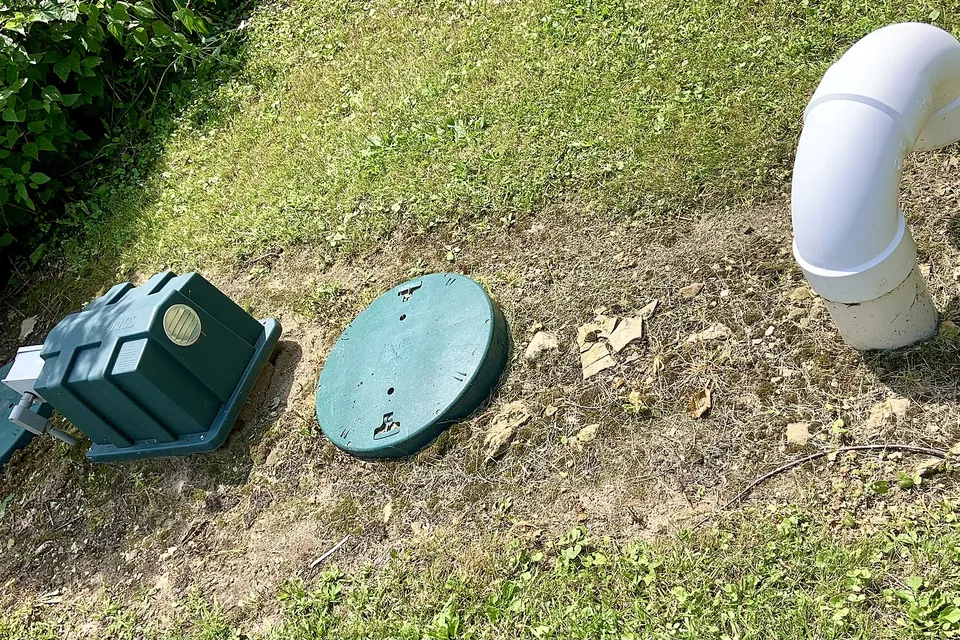
If your home has a septic system, everything you flush ends up in a tank in your yard, where bacteria break down waste. Harsh cleaners in large amounts, constant bleach tablets and things that shouldn't be flushed can upset that balance, leading to backups, odors and expensive pump-outs. The good news is that you can keep your toilet clean and your septic system healthy with the right products and habits. This guide explains how septic systems work, which toilet cleaners are safe, what to avoid and a simple cleaning routine.
How does a septic system work?
Wastewater flows from the house into a buried septic tank. Solids settle at the bottom, grease floats to the top and bacteria break down organic waste. Liquid flows out to a drain field, where soil filters it further. The EPA explains how to care for septic systems, including what not to flush and how often to inspect and pump.
Why do cleaners matter for septic systems?
Normal household cleaning in normal amounts is generally fine for a working septic system. The problems come from large amounts of harsh chemicals, constant bleach drip-ins and dumping products down drains, which can reduce the helpful bacteria in the tank. Using septic-safe products and sensible amounts keeps the system working well.
Which toilet cleaners are septic-safe?
| Product type | Septic use |
|---|---|
| Cleaners labeled septic-safe | Good choice in normal amounts |
| Foaming toilet powders (bleach-free) | Good choice; check the label |
| Mild dish soap and water | Fine for wiping outside surfaces |
| Occasional bleach in small amounts | Use sparingly; never mix with other cleaners |
| In-tank bleach tablets | Avoid; constant chemical release |
| Harsh drain cleaners in large amounts | Avoid |
Why is FizzClean a good fit?
FizzClean is a foaming toilet powder: add 1 tablespoon to the bowl, wait about 20 minutes and flush. It's bleach-free and septic-safe, per FizzClean. The foam spreads around the bowl and under the rim with no scrubbing for routine cleans. Use it on its own; don't combine it with other cleaners. Read our FizzClean review.

A septic-safe weekly toilet clean
FizzClean toilet cleaning foam: 1 tablespoon, wait 20 minutes, flush. Bleach-free and septic-safe, per FizzClean. From $15.29 per pack in bundles.
Check today's price →From $15.29 per pack in bundles
What's a septic-friendly cleaning routine?
- Weekly: add a septic-safe toilet cleaner, let it work, brush and flush.
- Wipe the seat, lid, handle and base with mild soap and water or a septic-safe spray.
- Monthly: clean under the rim and check for hard water rings.
- Run water to dilute cleaners as you flush.
See toilet cleaning schedule and how to clean a toilet.
What should never be flushed with a septic system?
- Wipes of any kind, including those labeled flushable.
- Paper towels and tissues.
- Feminine products and diapers.
- Cotton swabs and dental floss.
- Grease and cooking oil.
- Medications.
- Paint and chemicals.
Why is mixing cleaners dangerous?
Mixing bleach with ammonia, vinegar or acidic toilet cleaners can release toxic gases. Health Canada warns never to mix bleach with other cleaning products. Use one product at a time, flush between products and ventilate.
How do you handle hard water rings?
Hard water rings are common in homes with wells, which often also have septic systems. Regular foaming cleans help prevent buildup, and a pumice stone (wet, on porcelain only) can remove stubborn rings. See hard water stains in the toilet.
Why does the bathroom smell with a septic system?
Odors can come from a full tank, a blocked vent or a dry trap. If you smell sewage inside or near the drain field, have the system inspected. See sewer smell in the bathroom.
How often should the tank be pumped?
The EPA recommends inspections regularly and pumping typically every few years, depending on household size and tank size. A professional can tell you the right schedule.
How much does FizzClean cost?
FizzClean is $25.59 each for two packs, $21.95 each for three, $18.95 each for four and $15.29 each for five, plus $8.50 shipping. Returns are accepted within 30 days for unused products in original packaging.
What are the signs a septic system is struggling?
Cleaning habits are only one part of septic health, so it helps to know the warning signs that something bigger is going on. Watch for:
- Toilets and drains that empty slowly across the whole house, not just one fixture.
- Gurgling sounds in the plumbing after you flush or run the washer.
- Sewage odors inside the house or outdoors near the tank or drain field.
- Soggy ground, standing water or unusually green, lush grass over the drain field.
- Water or sewage backing up into the lowest drains, such as a basement floor drain or shower.
If you notice any of these, stop using harsh products, limit water use and call a licensed septic professional. A cleaner won't fix a full tank or a failing drain field, and waiting usually makes the repair bigger. For drain-specific tips, see slow-draining sink and how to prevent clogged drains.
Can you use bleach at all with a septic system?
Small, occasional amounts of household bleach, used the way the label directs, are generally not a problem for a healthy tank, because the bleach is diluted by the large volume of water already inside. The trouble starts with habits that add chemicals constantly or in big doses: in-tank bleach pucks that release every flush, pouring a full bottle down a drain, or bleaching laundry load after load. Those patterns can reduce the bacteria that do the work in your tank.
If you prefer to skip bleach entirely in the toilet, a bleach-free foaming cleaner like FizzClean handles the weekly routine, and you can save bleach for occasional disinfecting jobs elsewhere. Whatever you use, never combine it with other products in the bowl.
Do septic additives help?
You'll see many products sold to "boost" septic bacteria. The EPA notes that a properly working system generally doesn't need additives, and that additives are not a substitute for regular inspection and pumping. The best things you can do are simple: flush only toilet paper and waste, use water efficiently, keep grease out of the kitchen sink and have the tank checked on schedule. Spend the money you'd put into additives on a regular inspection instead.
Why does water use matter?
A septic tank needs time for solids to settle and for bacteria to break waste down. Sending a large amount of water through in a short time, such as several loads of laundry back to back, can push solids out toward the drain field before they settle. Spread laundry across the week, fix running toilets and leaky faucets, and consider high-efficiency fixtures. A toilet that runs constantly can send hundreds of gallons a day into the tank. If your toilet keeps running, check the flapper and fill valve; see how to clean a toilet tank for what's inside.
What kind of toilet paper is best for septic?
Most standard toilet paper breaks down well in a septic tank. Very thick, quilted or lotion-infused papers can take longer. A quick home test: put a few squares in a jar of water, shake it and see whether it starts falling apart within a minute or so. Papers that break apart quickly are kinder to both the tank and your pipes. Use a reasonable amount per flush, and flush twice rather than overloading the bowl.
How do you keep the bowl stain-free without harsh chemicals?
Stains form when minerals, bacteria and waste are left to sit. The easiest prevention is frequency: a quick foaming clean once a week stops rings and pink or black buildup before they harden. Close the lid when you flush, brush the bowl between deep cleans and dry the brush before putting it back in the holder. If you already have stains, see toilet bowl ring, pink ring in the toilet and black stains in the toilet bowl for targeted steps.
What else in the house affects the septic tank?
- Garbage disposal: food scraps add solids, so the tank fills faster. Compost or trash scraps when you can.
- Grease: scrape pans into the trash and wipe with a paper towel before washing.
- Drain cleaners: repeated harsh chemical drain cleaners are a bad match for septic tanks; try mechanical methods first. See Drano alternatives.
- Laundry: use the recommended detergent dose, and spread loads out.
Is FizzClean easy to use on a busy schedule?
Yes, and that's a big reason it works for septic homes. The weekly routine takes less than a minute of hands-on time: sprinkle 1 tablespoon into the bowl, walk away for about 20 minutes and flush. Because there's no scrubbing for routine cleans, it's easy to stick with, and a consistent weekly clean is exactly what keeps you from reaching for something harsh later. A five-pack bundle lasts a long time at one tablespoon per clean.
The bottom line
With a septic system, clean your toilet weekly with septic-safe products in normal amounts, skip in-tank bleach tablets, never mix cleaners and flush only toilet paper and waste.
For a septic-safe weekly clean, our pick is FizzClean. Check today's FizzClean price.
Sources
- U.S. Environmental Protection Agency. How to Care for Your Septic System.
- Health Canada. Never mix bleach with other cleaning products.
- Official FizzClean product page, checked October 2026.
Frequently asked questions
Is toilet bowl cleaner safe for septic systems?
Cleaners labeled septic-safe, used in normal amounts, are generally fine for a working system.
Are in-tank bleach tablets bad for septic tanks?
They release chemicals with every flush, so it's best to skip them with a septic system.
Can I use bleach with a septic system?
Small, occasional amounts used as directed are generally fine; avoid large or constant doses.
Are flushable wipes safe for septic tanks?
No. Flush only toilet paper and waste, even if wipes say flushable.
Is FizzClean septic-safe?
Yes, FizzClean is bleach-free and septic-safe, per FizzClean.
How often should a septic tank be pumped?
Typically every few years, depending on household and tank size; a professional can advise.

Michelle Hert
Michelle looks into the cleaning products that go viral in ads, from toilet foams to mini vacuums and drain cleaners. She reads the product pages, checkout and return policies, trusted safety sources and buyer feedback so you know what a product really does before you buy it. Her reviews are built on manufacturer information, official checkout and return policies, trusted safety sources and buyer feedback, and are updated when offers change. More about Michelle.