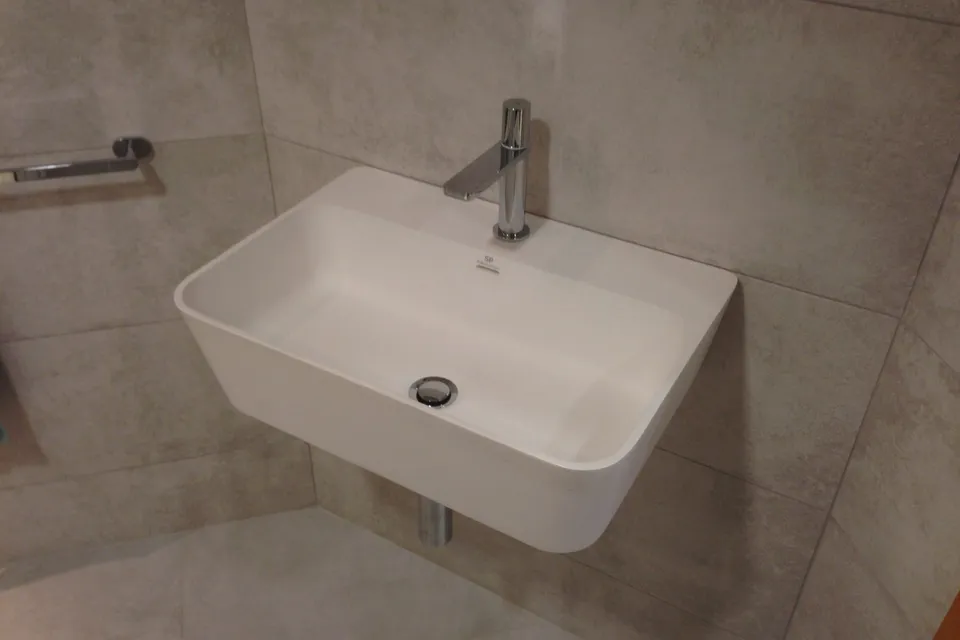
- Clean the stopper or strainer, where most bathroom clogs start.
- Pull out hair with a plastic drain snake.
- Clean the overflow hole and check that the sink's vent isn't the issue.
- Plunge with the overflow covered.
- Treat the pipe with a foaming drain cleaner, or clean the P-trap by hand.
The water used to disappear in seconds. Now it pools around the drain while you brush your teeth, leaves a gray film in the basin and takes a minute or more to drain. A slow-draining sink rarely fixes itself. It's a clog in progress, and every day a little more hair, soap and grime sticks to the buildup already there.
The good news is that a slow drain is the easiest kind of clog to clear, because water still gets through. This guide explains what causes slow drains in bathroom and kitchen sinks, the fixes in the right order, how to tell when the problem is bigger than one sink, and how to keep drains flowing.
Why is my sink draining slowly?
| Sink | Most common causes |
|---|---|
| Bathroom sink | Hair wrapped around the pop-up stopper, toothpaste, soap scum, shaving residue |
| Kitchen sink | Grease and oil, food particles, coffee grounds, starchy food in the disposal |
| Any sink | Buildup in the P-trap, a clogged overflow, hard water scale, a blocked vent |
Hair and soap combine into a sticky mat that catches everything else. In kitchens, grease cools and hardens on the pipe walls and traps food. Over weeks, the opening gets narrower until the water slows to a crawl.
How do you clean a bathroom sink stopper?
The pop-up stopper is the number one cause of slow bathroom sinks, because hair wraps around its rod. Many lift straight out or twist out. If yours doesn't, look under the sink: a horizontal rod (the pivot rod) connects to the stopper at the back of the drain pipe. Unscrew the nut holding it, pull the rod out, then lift the stopper up. Clean off the hair and slime with gloves and an old toothbrush, rinse, and reassemble. Many people find this alone fixes the slow drain.
How do you use a drain snake on a sink?
With the stopper out, push a plastic drain snake (a thin strip with barbs) down the drain, twist, and slowly pull it back up. It will usually bring up a clump of gray hair and gunk. Wipe it and repeat until it comes out clean, then run hot tap water for a minute. Plastic snakes cost a few dollars and are reusable.
Can the overflow hole cause a slow drain?
Yes. Most bathroom sinks have an overflow hole near the top of the basin. Besides preventing overflows, it lets air into the drain so water flows smoothly. If it's clogged with grime, the sink can drain slowly and gurgle. Clean it with a small bottle brush and a bit of soapy water, then flush it by pouring water into it. The overflow channel is also a common place for odors and drain flies to start; see how to get rid of drain flies.
Should you plunge a slow sink?
A plunger can help push a partial clog through. Use a small cup plunger, cover the overflow hole with a wet cloth, add enough water to cover the cup, and plunge firmly 10 to 15 times. In a double kitchen sink, block the other drain. Never plunge right after pouring in a caustic chemical drain cleaner, since it can splash back onto your skin and eyes.
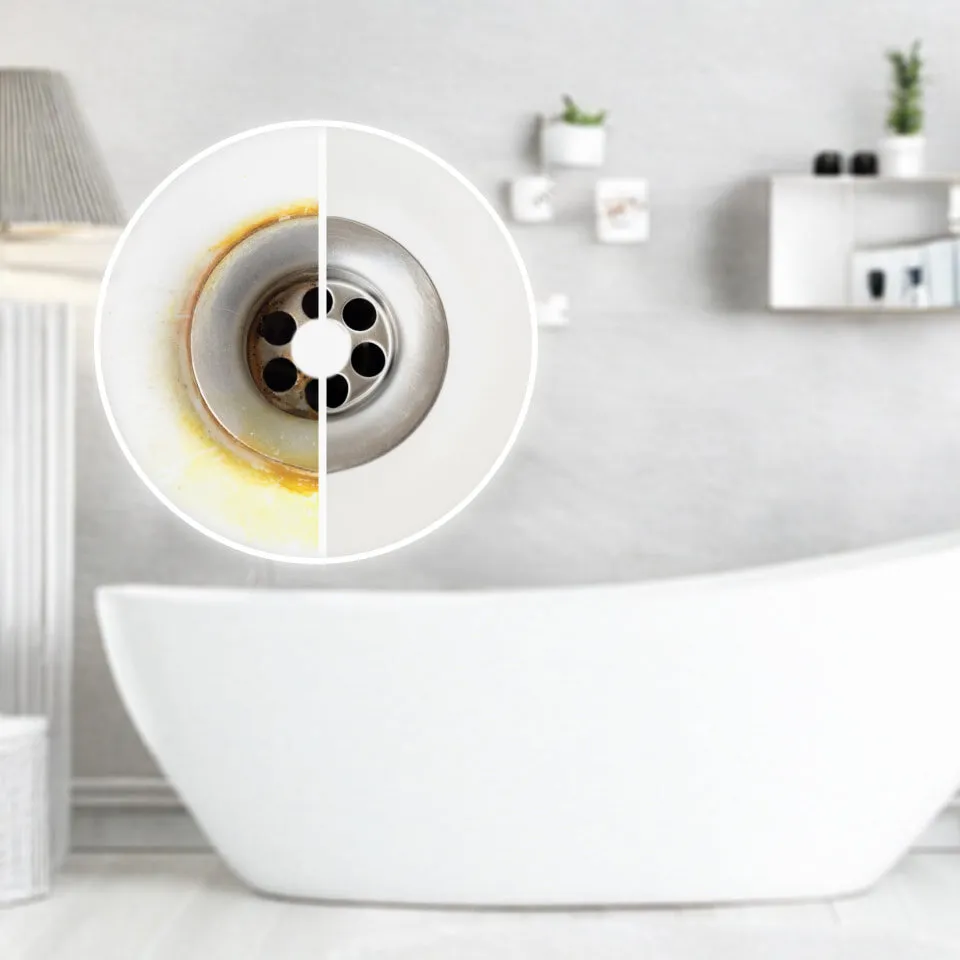
How do you clear the buildup inside the pipe?
Once the hair near the top is out, the pipe walls may still be coated with soap scum, toothpaste or grease. That coating keeps the drain slow and catches new hair. Liquid cleaners often run straight down the middle of the pipe, but a foaming drain cleaner expands to fill it and stays in contact with the walls longer.
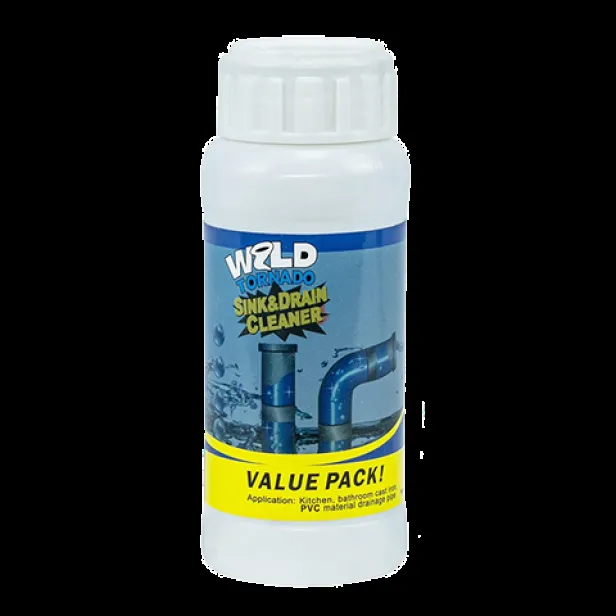
SavingStars is a foaming drain cleaner powder designed for hair, grease, soap scum and food buildup. According to the brand, you pour it into the drain, add about 1 liter (roughly 4 cups) of hot water, wait 20 minutes and flush. The brand says it's non-corrosive and safe for PVC, metal pipes and septic systems, so it works both for slow drains and for monthly maintenance. It costs $12.99, or as little as $6.99 each in bundles. Read our SavingStars review, where we rate it 4.4/5.
Get a slow drain flowing again
SavingStars foaming drain cleaner for hair, grease and soap scum: pour, add hot water, wait 20 minutes, flush. $12.99, or from $6.99 each in bundles, with a 30-day refund guarantee.
Check today's price →$12.99, or from $6.99 each in bundles
When should you clean the P-trap?
The P-trap is the U-shaped pipe under the sink. It holds a little water to block sewer gas, and it also catches heavy debris, rings, earring backs and the bottom of the clog. If the sink is still slow after the steps above, clean it:
- Put a bucket and an old towel under the trap.
- Loosen the two slip nuts by hand or with pliers.
- Remove the trap, empty it into the bucket and clean it with a brush.
- Check the pipe going into the wall for buildup and clear what you can reach.
- Reassemble hand-tight, run water and check for leaks.
It's a 15-minute job without any chemicals.
What about a slow kitchen sink?
Kitchen sinks slow down mainly because of grease. Scrape plates into the trash, wipe greasy pans before washing, and never pour cooking oil down the drain. Clean the sink strainer, and if you have a disposal, clean the underside of its splash guard and run it with plenty of cold water. Our guide on garbage disposal smells covers disposal care, and why kitchen sinks smell helps if there's an odor too.
What should you avoid?
- Mixing drain products or adding one after another. Health Canada warns this can release toxic gases.
- Harsh caustic cleaners on slow drains. Poison Control notes many contain strong alkalis or acids that cause serious burns.
- Boiling water in porcelain sinks or PVC pipes.
- Ignoring it: slow drains become full clogs.
See our guide to safer Drano alternatives for more options.
What if several drains are slow at once?
If the bathroom sink, the tub and the toilet are all slow, or water gurgles in one fixture when you use another, the problem is probably not a single sink. It may be a clog in a shared branch line or the main sewer line, or a blocked plumbing vent on the roof. Signs of a bigger problem include:
- Water backing up into the tub when you flush.
- Gurgling sounds from drains.
- Sewer smells in several rooms.
- Slow drains on the lowest floor first.
Those need a plumber with professional equipment.
Why does my sink gurgle when it drains?
Gurgling means air is being pulled through the water in the trap, usually because the drain is partly blocked or the vent isn't letting enough air in. A gurgle from just one sink, together with slow drainage, is typically a local clog that the steps above will fix. Gurgling from several fixtures, or from a sink when you flush the toilet, points to a vent or main line issue for a plumber.
Can toothpaste and shaving cream slow a sink down?
Yes, more than most people realize. Toothpaste contains fine abrasives and binders that can settle in the pipe, and shaving cream, makeup and face wash leave a film that hair sticks to. On their own they rarely cause a clog, but combined with hair and hard water minerals they build a layer that gets thicker every week. Rinsing the basin and running warm water for a few seconds after brushing or shaving carries most of it away. If several people share one bathroom sink, the buildup happens faster, so a monthly treatment and a stopper clean every couple of weeks are worth the two minutes.
Does hard water make sinks drain slowly?
It can contribute. Hard water leaves calcium and magnesium deposits on the stopper, the drain opening and the inside of the pipe, and those rough deposits give hair and soap scum something to grab onto. You'll often see white crust on the faucet and around the drain as a clue. Cleaning the stopper and drain opening with a descaling cleaner or white vinegar helps, as long as you don't combine vinegar with any other product. In homes with very hard water, slow drains tend to come back sooner, which makes regular maintenance even more useful.
How long does it take to fix a slow drain?
Most slow bathroom sinks are fixed in 10 to 15 minutes: pull and clean the stopper, snake out the hair, run hot water. Add 20 minutes if you treat the pipe with a foaming cleaner, and another 15 minutes if you need to clean the P-trap. Kitchen sinks with grease buildup may need a treatment followed by a second one a day or two later. Compared with a full clog, which can take an hour and a plumber, a slow drain is a quick win, so it's worth acting the first week you notice it.
How do you keep sinks from draining slowly?
- Use a drain screen or hair catcher in the bathroom sink.
- Clean the pop-up stopper every few weeks.
- Rinse the sink after shaving, brushing and makeup removal.
- Keep grease and coffee grounds out of the kitchen drain.
- Run hot tap water for 20 to 30 seconds after use.
- Treat sinks monthly with a foaming drain cleaner.
More habits in our guide on how to prevent clogged drains, and see how to unclog a bathroom sink if the drain is fully blocked.
The bottom line
A slow-draining sink is a partial clog you can fix before it gets worse. Clean the stopper and overflow, snake out the hair, plunge with the overflow covered, then clear the coating in the pipe with a foaming cleaner or by cleaning the P-trap. If several drains are slow at once, call a plumber.
Our pick for slow drains is SavingStars. Check today's SavingStars price.
Sources
- Poison Control. What's in Drain Cleaner?
- Health Canada. Never Mix Bleach With Other Cleaning Products.
- Official SavingStars product page, checked October 2026.
Frequently asked questions
Why is my sink draining slowly?
Usually a partial clog of hair, soap scum and toothpaste in bathroom sinks, or grease and food in kitchen sinks, just below the drain or in the P-trap.
How do you fix a slow draining bathroom sink?
Remove and clean the pop-up stopper, pull out hair with a plastic drain snake, clean the overflow hole, then treat the pipe with a foaming drain cleaner.
Can a clogged overflow make a sink drain slowly?
Yes. The overflow lets air into the drain. When it's clogged with grime, water can drain slowly and gurgle. Clean it with a small bottle brush.
What is the best drain cleaner for a slow sink?
A non-corrosive foaming cleaner made for hair, grease and soap scum, like SavingStars: pour, add hot water, wait 20 minutes, flush.
Why is my sink gurgling and draining slowly?
Air is being pulled through the trap because of a partial clog or a vent problem. If several fixtures gurgle, call a plumber.
When should I call a plumber for a slow drain?
When several drains are slow at once, water backs up into the tub when you flush, you smell sewage or the sink stays slow after clearing it.

Michelle Hert
Michelle looks into the cleaning products that go viral in ads, from toilet foams to mini vacuums and drain cleaners. She reads the product pages, checkout and return policies, trusted safety sources and buyer feedback so you know what a product really does before you buy it. Her reviews are built on manufacturer information, official checkout and return policies, trusted safety sources and buyer feedback, and are updated when offers change. More about Michelle.