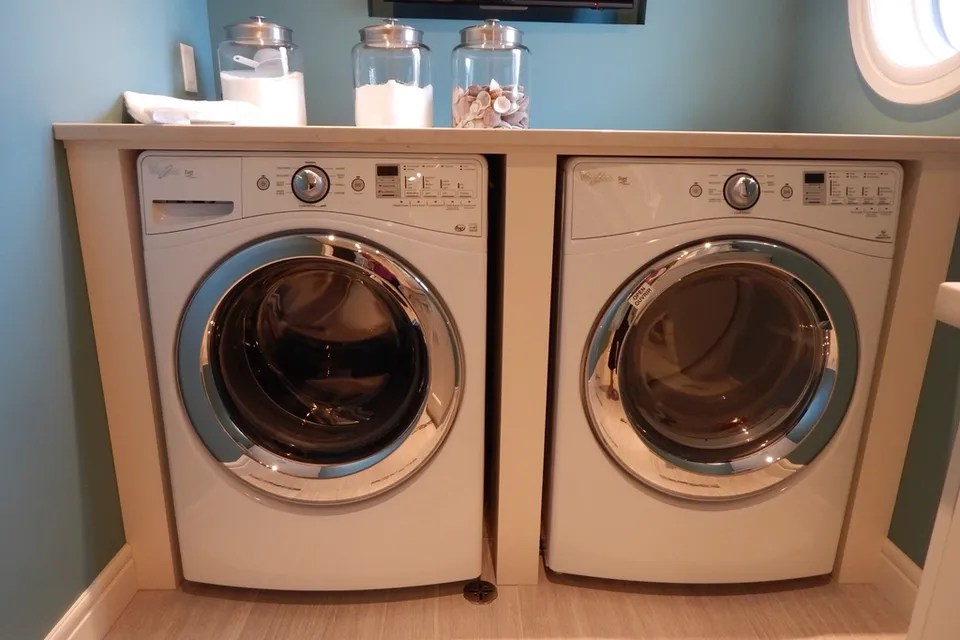
- the washer's own drain filter or pump, where coins, hair and lint collect
- the drain hose, if it's kinked or blocked
- the standpipe or laundry sink drain, where lint, detergent residue and hair build up over time
- Clean the washer's drain filter and check the hose.
- Treat the standpipe or laundry sink drain with a foaming drain cleaner like SavingStars: pour the powder, add about 1 liter of hot water, wait 20 minutes and flush.
- Prevent it with a lint trap on the hose and a monthly treatment.
Few household problems are as messy as a washing machine that won't drain. You open the door to a drum full of gray water, or you find a puddle on the laundry room floor because the standpipe overflowed mid-cycle. The good news is that most washer drain clogs are caused by the same few things, and you can fix most of them yourself in under an hour. This guide shows you how to find where the clog is, how to clear each part, which drain cleaner works best for a washer drain and how to stop it from coming back.
This guide covers:
- signs your washer drain is clogged
- how to find where the clog is
- cleaning the drain filter and hose
- the best way to clear the standpipe or laundry sink
- what drain cleaner to use, and what to avoid
- how to prevent future clogs
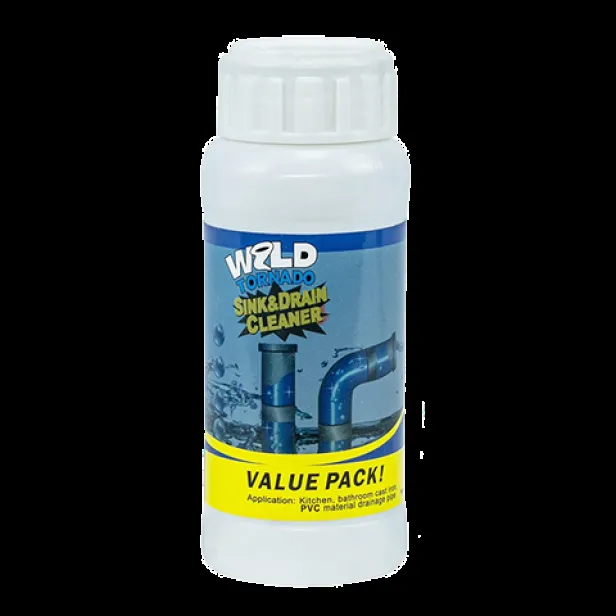
Our pick: the SavingStars Drain Cleaner
Foaming drain cleaner powder for hair, grease and soap scum. Pour, add hot water, wait 20 minutes, flush.
Check today's price →$12.99, or from $6.99 each in bundles
What are the signs of a clogged washing machine drain?
- Water stays in the drum after the cycle ends.
- The washer shows a drain error code.
- Water backs up or overflows from the standpipe behind the machine.
- The laundry sink fills up when the washer drains.
- Gurgling sounds from nearby drains during the drain cycle.
- A musty or sour smell in the laundry room.
- Clothes come out wetter than usual.
How do you find where the clog is?
| Symptom | Likely location |
|---|---|
| Water stays in the drum; standpipe is dry | Washer drain filter, pump or hose |
| Water overflows from the standpipe | Standpipe or the drain line beyond it |
| Laundry sink fills up and drains slowly | Laundry sink drain or trap |
| Several drains in the house are slow | Main drain line: call a plumber |
How do you clean the washer's drain filter?
Most front-loaders, and some top-loaders, have a drain pump filter behind a small door at the bottom front of the machine. It catches coins, buttons, hair, lint and small socks before they reach the pump.
- Unplug the washer.
- Put towels and a shallow tray on the floor; water will come out.
- Open the small access door and drain the water through the little hose if there is one.
- Unscrew the filter slowly, counter-clockwise.
- Remove debris, rinse the filter and wipe the opening.
- Screw it back in tightly, close the door and run a short rinse cycle.
Check your washer's manual for the exact location. Cleaning this filter every few months prevents many drain problems.
How do you check the drain hose?
- Pull the washer out gently and look for kinks or a crushed hose behind the machine.
- Disconnect the hose (unplug the washer first and have a bucket ready) and check for blockages.
- Flush it with water from a garden hose or a sink.
- Make sure it's inserted into the standpipe only a few inches, not pushed deep down, and not sealed tight, so air can get in.
How do you clear a clogged standpipe or laundry sink?
The standpipe is the vertical pipe behind the washer that the drain hose hooks into. Over the years it collects lint, hair, fabric softener and detergent residue, which form a sticky layer that narrows the pipe. This is where a foaming drain cleaner works best:
- Remove the drain hose from the standpipe and hang it in a bucket.
- Pull out any visible lint at the top of the pipe with gloved fingers.
- Pour SavingStars powder into the standpipe, using the cap to measure a larger dose for a stubborn clog.
- Slowly pour about 1 liter (4 cups) of hot water into the pipe. The powder foams and works into the buildup.
- Wait 20 minutes. Don't run the washer.
- Flush with more hot water, then put the hose back and run a short empty cycle to test.
- Repeat once for very old buildup.
For a laundry sink, follow the same steps directly in the sink drain, after removing any strainer. See how to use SavingStars for full instructions.
What's the best drain cleaner for a washer drain?
A washer drain is mainly clogged by lint, hair, soap scum and fabric softener residue, which are organic buildup that a foaming cleaner is designed to break down. SavingStars is a good fit because:
- It foams and expands into the pipe, reaching buildup on the walls.
- It targets hair, grease and soap scum, the main causes of washer drain clogs.
- It's non-corrosive and safe for PVC and metal pipes, per the brand.
- It's septic-safe, per the brand.
- It's simple: pour, add hot water, wait 20 minutes, flush.
It costs $12.99 for one bottle, $8.99 each for three, $7.85 each for five and $6.99 each for seven, with a 30-day refund guarantee. Read our SavingStars review.
Clear lint and soap buildup from your washer drain
SavingStars foaming powder for hair, grease and soap scum. Pour, add hot water, wait 20 minutes, flush. $12.99, or from $6.99 each in bundles, with a 30-day refund guarantee.
Check today's price →$12.99, or from $6.99 each in bundles
What should you avoid?
- Never pour drain cleaner into the washer drum or detergent drawer. Treat only the standpipe or sink drain.
- Don't mix cleaners. Never combine bleach with acids, ammonia or other drain cleaners. Health Canada warns that this can release toxic gases.
- Don't use harsh lye or acid cleaners repeatedly in older pipes. Poison Control explains the risks of strong chemical drain cleaners.
- Don't plunge right after pouring any cleaner.
- Don't run the washer while the cleaner is working.
What if the standpipe is still clogged?
- Repeat the treatment once.
- Use a plastic drain snake after flushing the cleaner out with plenty of water. Feed it into the standpipe to pull out lint.
- Check the trap under a laundry sink; see how to clean a P-trap.
- Call a plumber if water backs up into other drains, several fixtures are slow or the standpipe overflows even with the washer off.
How do you prevent washing machine drain clogs?
- Add a lint trap to the end of the drain hose. They're inexpensive mesh socks that catch lint before it reaches the pipe. Replace when full.
- Clean the drain filter every 2 to 3 months.
- Use the right amount of detergent. Too much leaves residue in the pipes.
- Go easy on fabric softener, which leaves a waxy film.
- Empty pockets before washing.
- Wash pet bedding after shaking off as much hair as possible.
- Treat the standpipe monthly with SavingStars.
See how to prevent clogged drains.
Why does my laundry room smell?
A musty or sewer-like smell often comes from buildup in the standpipe or a dry trap. Treat the standpipe with a foaming cleaner and run water through any rarely used laundry sink to refill the trap. Leave the washer door open between loads to dry the gasket. See sewer smells and why drains gurgle.
Is it safe if you have a septic system?
The brand says SavingStars is septic-safe and non-corrosive. Washers send a lot of water to a septic system, so spread out laundry loads through the week and use the recommended detergent amounts. The EPA has tips on caring for a septic system; see also drain cleaner for septic systems.
Do washer drains clog more in winter?
Winter laundry is heavier: sweaters, fleece, blankets and towels shed more lint, and more hot cycles mean more detergent residue. In very cold areas, a standpipe on an outside wall or in an unheated garage can also run slowly. Add a lint trap before winter and treat the drain monthly. See winter drain problems.
When should you call a plumber?
- Water backs up into a tub, shower or floor drain when the washer drains.
- Several drains in the house are slow at the same time.
- You smell sewage or see water around the base of the toilet.
- The washer pump hums but doesn't drain, even with a clean filter (it may need repair).
Is it different for top-loaders?
Many top-loaders don't have an easy-access filter. If water stays in the drum, check the hose first and then your manual for the pump location. Some top-loaders have a lint filter inside the agitator or along the top of the drum that needs regular cleaning.
How much does it cost to fix a washer drain yourself?
Usually very little: a bottle of drain cleaner and a few dollars for a lint trap. A plumber visit costs far more, so it's worth trying these steps first.
The bottom line
Most washing machine drain clogs come from lint, hair and detergent residue in the filter, hose or standpipe. To fix it:
- clean the washer's drain filter and check the hose
- treat the standpipe or laundry sink with SavingStars and hot water, wait 20 minutes and flush
- add a lint trap and treat the drain monthly
Never pour cleaner into the washer drum, and never mix products. SavingStars costs $12.99, or as low as $6.99 each in bundles, with a 30-day refund guarantee.
Our pick: the SavingStars Drain Cleaner
Foaming drain cleaner powder for hair, grease and soap scum. Pour, add hot water, wait 20 minutes, flush.
Check today's price →$12.99, or from $6.99 each in bundles
Frequently asked questions
Why is my washing machine not draining?
Usually a blocked drain filter, a kinked or clogged hose, or buildup in the standpipe or laundry sink drain.
What is the best drain cleaner for a washer drain?
A foaming cleaner like SavingStars, poured into the standpipe with hot water, works on lint, hair and soap residue.
Can I pour drain cleaner into my washing machine?
No. Only treat the standpipe or laundry sink drain, never the drum or detergent drawer.
How do I clean a washing machine drain filter?
Unplug the washer, open the small front door, drain the water, unscrew the filter, clean it and screw it back tightly.
How do I stop my washer drain from clogging?
Add a lint trap to the hose, clean the filter every few months, use less detergent and treat the drain monthly.
When should I call a plumber for a washer drain?
When water backs up into other drains or several fixtures are slow at once.

Michelle Hert
Michelle looks into the cleaning products that go viral in ads, from toilet foams to mini vacuums and drain cleaners. She reads the product pages, checkout and return policies, trusted safety sources and buyer feedback so you know what a product really does before you buy it. Her reviews are built on manufacturer information, official checkout and return policies, trusted safety sources and buyer feedback, and are updated when offers change. More about Michelle.