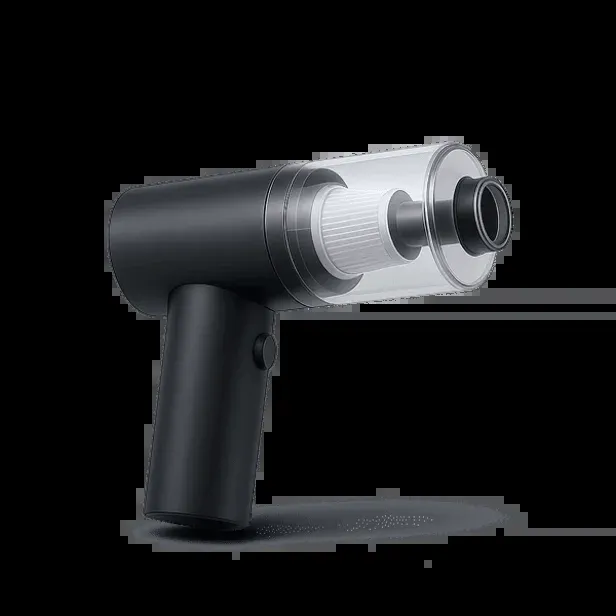
- Real suction for its size.
- A washable HEPA-type filter.
- A crevice nozzle and a brush nozzle.
- Around 20 to 30 minutes of run time.
- Easy charging.
Handheld vacuums have become one of the most useful cleaning tools in the house. Not because they replace a full-size vacuum, but because they're there when you need them: crumbs under the toddler's chair, pet hair on the sofa, sand in the car, dust on the keyboard, cobwebs in the corner. Grab, clean, put back. No cords, no hauling.
But handhelds vary widely, from weak toys to genuinely useful tools. This guide explains what to look for, how to compare suction, filters, battery and attachments, and which jobs a handheld does best, so you can pick one you'll actually use.
Why get a handheld vacuum?
- Speed: small messes take seconds instead of minutes.
- Reach: car interiors, stairs, upholstery, shelves and corners.
- Frequency: because it's easy, you clean more often, and that keeps dust and pet hair under control.
- Accessibility: lightweight models are easier for people with back, knee or hand problems.
- Small homes: in a studio or apartment, a good handheld plus a robot can cover most cleaning.
- Families: kids and pets create small messes all day, and a handheld deals with each one in seconds before it spreads.
What features matter most in a handheld vacuum?
| Feature | What to look for | Why it matters |
|---|---|---|
| Suction | A stated figure in Pa (pascals) helps compare models | Determines how well it lifts hair, sand and crumbs |
| Weight | About 1 to 3 lbs | Lighter means less arm fatigue and more use |
| Filter | Washable, HEPA-type | Keeps fine dust and allergens inside |
| Battery | 15 to 30 minutes, easy charging | Enough for a car or a few rooms of spot cleaning |
| Nozzles | Crevice and brush at minimum | Gaps and seams vs fabric and pet hair |
| Bin | Easy, one-handed emptying | You'll empty it after nearly every use |
| Noise | Lower is better | More pleasant for quick daily use |
How much suction does a handheld need?
Suction in handheld vacuums is often listed in pascals (Pa). Higher numbers generally mean stronger pull, though airflow, nozzle design and filter cleanliness matter too. Very low-suction handhelds struggle with pet hair in fabric and sand in car carpet. For everyday crumbs, dust and pet hair, a few thousand pascals in a compact unit makes a noticeable difference. Keep expectations realistic: a handheld isn't meant to deep-clean wall-to-wall carpet. That's a job for a full-size vacuum.
Why does the filter matter?
A cheap filter lets fine dust pass straight through and back into the air, which defeats the purpose, especially for allergy sufferers. Look for a HEPA or HEPA-type filter that you can wash and reuse. The EPA explains that HEPA filters are designed to capture very small particles. Rinse the filter regularly and let it dry completely before reinstalling; a clogged filter is the most common reason a handheld loses suction.
What about battery life and charging?
Most handheld jobs are short: two minutes on the couch, five in the car. Twenty to thirty minutes per charge covers most uses, including a full car interior. USB charging is convenient because you can charge from a wall adapter, a laptop or a car outlet. Store the vacuum on its charger or charge it after each longer session so it's always ready.
What is our top pick for most homes?
DustaClean checks the boxes that matter for everyday use. According to the brand:
- Under 1 lb, easy to use one-handed and store in a drawer or glove box.
- About 3,500 Pa of suction for its size.
- Washable HEPA filter that keeps fine dust inside.
- Slim crevice nozzle for gaps, seams and car seats, and a brush nozzle for fabric and pet hair.
- Up to 30 minutes of run time, USB charging.
It costs $69.99, or as low as $49.99 each in bundles, with a 30-day refund guarantee. Many buyers get two: one for the house and one for the car. Read our full DustaClean review, where we rate it 4.4/5.

Our top pick for everyday quick cleaning
DustaClean: under 1 lb, about 3,500 Pa suction, washable HEPA filter, crevice and brush nozzles, up to 30 minutes, USB charging. $69.99, or from $49.99 each in bundles.
Check today's price →$69.99, or from $49.99 each in bundles
What jobs is a handheld vacuum best for?
- Car interiors: seats, footwells, cup holders and between seats. See our car cleaning guide.
- Couches and chairs: crumbs and pet hair. See how to clean a couch.
- Mattresses: every time you change the sheets. See how to clean a mattress.
- Stairs: treads and corners without lugging a big vacuum.
- Desks and keyboards: crumbs and dust between keys.
- Kitchen spills: cereal, coffee grounds, flour.
- Window sills, blinds and vents, where dust settles out of reach.
- Pet beds and pet hair hotspots.
- Baseboards and corners. See how to clean baseboards.
What is a handheld vacuum not ideal for?
- Whole-house carpet cleaning: use a full-size vacuum.
- Large spills of liquid, unless it's a wet/dry model.
- Fine powders in large amounts like drywall dust or fireplace ash, which can clog filters quickly.
- Sharp debris like broken glass, which can damage the bin.
Which types of handheld vacuums are there?
Mini cordless handhelds like DustaClean are the lightest and most portable, ideal for quick daily jobs and the car. Larger cordless handhelds have bigger bins and batteries but weigh more. Stick vacuums with a detachable handheld combine floor cleaning with a handheld unit, but the handheld part is usually bulkier. Corded handhelds have unlimited run time but are less convenient. Wet/dry handhelds can pick up small liquid spills. For most people, the lightest cordless option gets used the most, and that's what makes it worth owning.
How do you keep a handheld vacuum working well?
- Empty the bin after each use. A full bin reduces suction fast.
- Rinse the filter every week or two with frequent use, and let it dry completely.
- Check the nozzle for blockages, such as a stuck coin, bead or clump of hair.
- Clear hair from the brush nozzle.
- Charge it regularly, and don't leave it fully drained for long periods.
- Store it where you'll see it. A handheld in a closet gets forgotten and the crumbs win.
Where should you keep a handheld vacuum?
The best handheld vacuum is the one within reach when the mess happens. Many people keep one in the kitchen or living room, near where crumbs and pet hair appear most, and a second one in the car. A small model that fits in a drawer, a glove box or a shelf means you'll actually grab it instead of putting the job off. If you have stairs, a second unit upstairs saves trips.
How can you test a handheld vacuum at home?
Most handhelds come with a return window, so it's worth putting a new one through a few real-world tests in the first week. Try it on the jobs you bought it for: sprinkle a little rice or cereal on a rug and see whether it picks it up in one pass; run the brush nozzle over a couch cushion where your pet sleeps; use the crevice nozzle between car seats and in the footwells; and vacuum a keyboard or a window track. Notice how it feels in your hand after five minutes, how easy the bin is to empty without spilling, and whether the filter is simple to remove and rinse.
Also check the battery in real use: run it until it stops and time it, then see how long it takes to recharge. If it handles your everyday messes, feels comfortable and is easy to empty, it's a keeper. If it struggles with the basics, use the return window rather than living with a tool you won't want to grab. A handheld only earns its place if you use it often, so comfort and convenience matter as much as specifications.
How much should you spend?
Handheld vacuums range from under $30 to over $200. Very cheap models often have weak suction, poor filters and short-lived batteries, which leads to frustration. Premium models add bigger batteries and features many people don't need for quick jobs. A mid-priced, lightweight model with real suction, a washable HEPA filter and two nozzles hits the sweet spot for most homes. DustaClean sits in that range at $69.99, or less in bundles.
Is a handheld vacuum good for pets and allergies?
Yes. Pet hair and dander pile up daily, and a handheld makes daily pickup on couches, beds and stairs realistic. For allergy sufferers, a HEPA filter and frequent use reduce dust in the places you sit and sleep. The American College of Allergy, Asthma and Immunology lists pet dander and dust mites among the main triggers of dust allergy. See our guides on pet hair and dust mites.
How does a handheld fit with other vacuums?
For most homes, the most efficient setup is a robot vacuum for daily floors, a handheld for upholstery, stairs, the car and quick spills, and a full-size vacuum weekly for carpets. Together, they keep the house consistently clean with little effort. See robot vacuum vs regular vacuum.
The bottom line
The best handheld vacuum is light, cordless and genuinely strong for its size, with a washable HEPA filter, crevice and brush nozzles and enough battery for the car or a few rooms. Keep it where messes happen, empty it after each use and rinse the filter regularly.
Our top pick is DustaClean. Check today's DustaClean price.
Sources
- U.S. Environmental Protection Agency. What Is a HEPA Filter?
- American College of Allergy, Asthma and Immunology. Dust Allergies.
- Official DustaClean product page and checkout, checked October 2026.
Frequently asked questions
What should I look for in a handheld vacuum?
Real suction for its size, light weight, a washable HEPA-type filter, crevice and brush nozzles, 20 to 30 minutes of run time, easy charging and an easy-to-empty bin.
Is a handheld vacuum worth it?
For most homes, yes. It makes quick daily jobs like crumbs, pet hair, stairs and the car fast and easy, so you clean more often.
How much suction does a handheld vacuum need?
Enough to lift pet hair from fabric and sand from car carpet. A few thousand pascals in a compact unit is noticeably better than very low-powered models.
Can a handheld vacuum replace a regular vacuum?
Not for whole-house carpet cleaning. It's best for upholstery, stairs, the car, spills and corners alongside a regular or robot vacuum.
Why is my handheld vacuum losing suction?
Usually a full bin or a clogged filter. Empty the bin after each use and rinse the filter regularly, letting it dry completely.
What is the DustaClean handheld vacuum?
A cordless mini vacuum under 1 lb with about 3,500 Pa suction per the brand, a washable HEPA filter, two nozzles and up to 30 minutes per charge, for $69.99.

Michelle Hert
Michelle looks into the cleaning products that go viral in ads, from toilet foams to mini vacuums and drain cleaners. She reads the product pages, checkout and return policies, trusted safety sources and buyer feedback so you know what a product really does before you buy it. Her reviews are built on manufacturer information, official checkout and return policies, trusted safety sources and buyer feedback, and are updated when offers change. More about Michelle.