
- Turn off the HVAC system so dust doesn't blow around.
- Vacuum the vent cover with a brush nozzle or a handheld vacuum like DustaClean.
- Remove the cover (unscrew or lift it out) and wash it in warm soapy water; dry completely.
- Vacuum inside the duct opening as far as you can reach and wipe with a damp microfiber cloth.
- Replace the HVAC filter so clean vents stay clean.
- Reinstall the cover and turn the system back on.
Air vents quietly collect dust, pet hair and cobwebs, and every time the heat or AC kicks on, some of that dust can blow back into the room. Dusty vents also make a home look less clean and can make allergies worse. Cleaning the vent covers and the first few inches of the ductwork is a simple job that takes a few minutes per vent.
This guide explains why vents get dirty, which tools you need, how to clean supply and return vents step by step, how often to do it, the role of the HVAC filter and when professional duct cleaning makes sense.
Why do air vents get so dusty?
- Household dust, fibers and pet hair circulate through the HVAC system.
- A dirty or low-quality filter lets more dust pass.
- Return vents pull in air from the room and collect dust on their grilles.
- Humidity and cooking grease can make dust stick.
The EPA notes that ventilation and filtration play a big role in indoor air quality. See why is my house so dusty?
What's the difference between supply and return vents?
| Vent | What it does | Cleaning tip |
|---|---|---|
| Supply vents | Blow heated or cooled air into rooms | Usually small, on floors, walls or ceilings; remove and wash covers |
| Return vents | Pull air back to the system | Larger grilles; often hold the filter; vacuum often |
Which tools do you need?
- Screwdriver for vent covers.
- Vacuum with brush and crevice attachments, or a handheld vacuum.
- Microfiber cloths and a bucket of warm soapy water.
- Soft brush or old toothbrush for slats.
- Step stool for ceiling vents.
- Dust mask if you have allergies.
- New HVAC filter.
How do you clean a vent step by step?
- Turn off the heating or cooling system.
- Vacuum the cover in place to remove loose dust.
- Unscrew or lift off the cover.
- Soak metal or plastic covers in warm soapy water for a few minutes, scrub slats with a soft brush, rinse and dry completely.
- Vacuum inside the duct opening as far as the hose reaches.
- Wipe the inside edges with a damp microfiber cloth.
- Reinstall the dry cover.
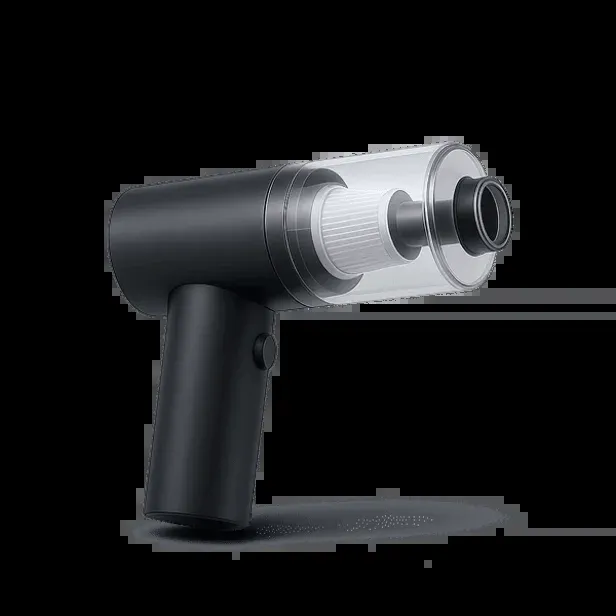
A quick vacuum for vents and slats
DustaClean handheld vacuum: cordless, USB-rechargeable, under 1 lb, with HEPA filtration, 2 nozzles and up to 30 minutes per charge. $69.99, or from $49.99 each in bundles.
Check today's price →$69.99, or from $49.99 each in bundles
Why is a handheld vacuum handy for vents?
Ceiling and wall vents are awkward with a full-size vacuum. A light, cordless handheld lets you reach high vents from a step stool safely and quickly. DustaClean is under 1 lb, USB-rechargeable, with HEPA filtration, two nozzles, about 3,500 Pa of suction and up to 30 minutes per charge. HEPA filtration helps keep fine dust from blowing back into the air. The EPA explains how HEPA filters capture small particles. Read our DustaClean review.
Why does the HVAC filter matter?
A clean filter traps dust before it reaches the ducts and vents. Replace it as recommended, often every one to three months, and more often with pets or allergies. Check the filter size printed on the old one and choose the efficiency your system supports. A clogged filter also makes your system work harder.
How do you clean return vents?
Return grilles are usually larger and may hold the filter. Vacuum the grille, remove it if possible, wash it, replace the filter and reinstall. Because they pull air in, return vents get dusty fastest; vacuum them monthly.
What about floor vents?
Floor vents catch dirt, crumbs and small objects. Lift the cover, vacuum inside, wash and dry the cover. A vent filter screen or magnetic cover in kids' rooms can keep toys out. Make sure furniture and rugs don't block floor vents.
How often should you clean vents?
| Task | How often |
|---|---|
| Vacuum vent covers | Monthly |
| Wash vent covers | Every 3 to 6 months |
| Replace HVAC filter | Every 1 to 3 months |
| Professional duct cleaning | Only when needed |
When do you need professional duct cleaning?
- Visible mold inside ducts.
- Signs of rodents or insects.
- Heavy dust or debris blowing from vents after renovation.
- Persistent musty smells from vents.
Routine duct cleaning isn't always necessary; ask for an inspection first and choose a reputable company.
Does cleaning vents help with allergies?
Clean vents and a good filter reduce the dust blown around the house. Combine with other allergy steps like weekly bedding washes and HEPA vacuuming. See dust allergy cleaning tips and how to reduce dust in the house.
How much does DustaClean cost?
DustaClean is $69.99 for one, $59.99 each for two, $54.99 each for three and $49.99 each for four. Returns are accepted within 30 days for unused products in original packaging.
How do you clean greasy kitchen vents?
Vents near the kitchen can collect sticky grease mixed with dust, which a vacuum alone won't remove. Remove the cover and soak it in hot water with a degreasing dish soap, then scrub with a soft brush, rinse and dry. Wipe the duct opening with a cloth dampened in soapy water. The range hood filter also collects grease; wash it monthly in hot soapy water or the dishwasher if the manufacturer allows.
What about the bathroom exhaust fan?
Bathroom fans pull moisture out to prevent mold, but their covers collect dust that reduces airflow. Turn off the power at the switch or breaker, remove the cover, wash it, and vacuum the fan blades gently. A clean fan clears steam faster, which helps prevent mildew and pink film in the shower. See pink mold in the shower.
Why do vents smell musty?
A musty smell when the system turns on can mean moisture in the ducts, mold or dust buildup. Clean covers and replace the filter first. If the smell continues, have the system inspected, since moisture problems in ducts need professional attention.
Can you paint vent covers?
Yes. If metal covers look rusty or worn after cleaning, you can lightly sand them and repaint with spray paint made for metal, letting them dry completely before reinstalling. Replacing old covers is also inexpensive.
How do you safely clean ceiling vents?
Use a sturdy step stool or ladder, never a chair. Turn off the system, place a towel or sheet below to catch falling dust, and wear eye protection or a mask if dust is heavy. Vacuum the cover first, then remove it carefully, keeping hold of screws. A light handheld vacuum is much easier to use overhead than a heavy hose. If climbing is hard for you, ask someone else to help.
Do pets make vents dirtier?
Yes. Pet hair and dander travel through the air and collect on vent grilles, especially returns. Vacuum vents and change filters more often in pet homes, brush pets regularly and vacuum floors frequently. See how to get rid of pet hair.
What mistakes should you avoid?
- Cleaning with the system running, which blows dust everywhere.
- Reinstalling wet covers, which can rust or grow mildew.
- Spraying cleaner directly into ducts.
- Forgetting to replace the HVAC filter.
- Blocking vents with furniture or rugs.
- Pushing dust deeper into the duct instead of vacuuming it out.
When is the best time to clean vents?
Clean vents at the start of heating and cooling seasons, when the system is about to run a lot. It's also a good time to change the filter and test smoke and carbon monoxide alarms.
What if you live in an apartment or rental?
You can usually clean vent covers and replace the filter yourself; check your lease for the filter schedule. Report musty smells, mold or strange noises from the system to your landlord, since ducts and equipment are often their responsibility.
What's a quick vent cleaning checklist?
- System off.
- Vacuum covers in place.
- Remove, wash and dry covers.
- Vacuum and wipe the duct opening.
- Replace the HVAC filter.
- Reinstall covers and turn the system on.
Most homes can be done room by room in under an hour.
Clean vents and a fresh filter mean less dust blowing around every time the heat or air conditioning turns on, and a home that stays cleaner between dusting days. Add vent cleaning to your seasonal routine and it will only take a few minutes each time.
Should you clean vents when moving into a new home?
Yes, it's a smart first-week job. Previous owners' dust, pet dander and construction debris often sit in vent covers and the first few inches of ductwork. Remove and wash every cover, vacuum each opening, put in a fresh filter and note the filter size for next time. If the home was recently renovated, run the system with a new filter for a week and then replace it again, since drywall dust clogs filters quickly.
The bottom line
Cleaning air vents is a quick job: turn off the system, vacuum the covers, remove and wash them, vacuum inside the duct opening, replace the HVAC filter and put everything back. Do it every few months, vacuum covers monthly and call a pro only for mold, pests or heavy debris.
For quick vent cleaning, our pick is DustaClean. Check today's DustaClean price.
Sources
- U.S. Environmental Protection Agency. Introduction to Indoor Air Quality.
- U.S. Environmental Protection Agency. What is a HEPA filter?
- Official DustaClean product page, checked October 2026.
Frequently asked questions
How do you clean air vents?
Turn off the system, vacuum the covers, remove and wash them, vacuum inside the opening and replace the filter.
How often should I clean air vents?
Vacuum covers monthly and wash them every few months.
Do I need professional duct cleaning?
Only for mold, pests or heavy debris; it isn't always necessary.
How often should I change my HVAC filter?
Often every one to three months, more often with pets.
Why do my vents smell musty?
Dust, moisture or mold; clean covers, replace the filter and get an inspection if it continues.
Does cleaning vents help allergies?
Clean vents and a good filter reduce dust blowing around the house.

Michelle Hert
Michelle looks into the cleaning products that go viral in ads, from toilet foams to mini vacuums and drain cleaners. She reads the product pages, checkout and return policies, trusted safety sources and buyer feedback so you know what a product really does before you buy it. Her reviews are built on manufacturer information, official checkout and return policies, trusted safety sources and buyer feedback, and are updated when offers change. More about Michelle.