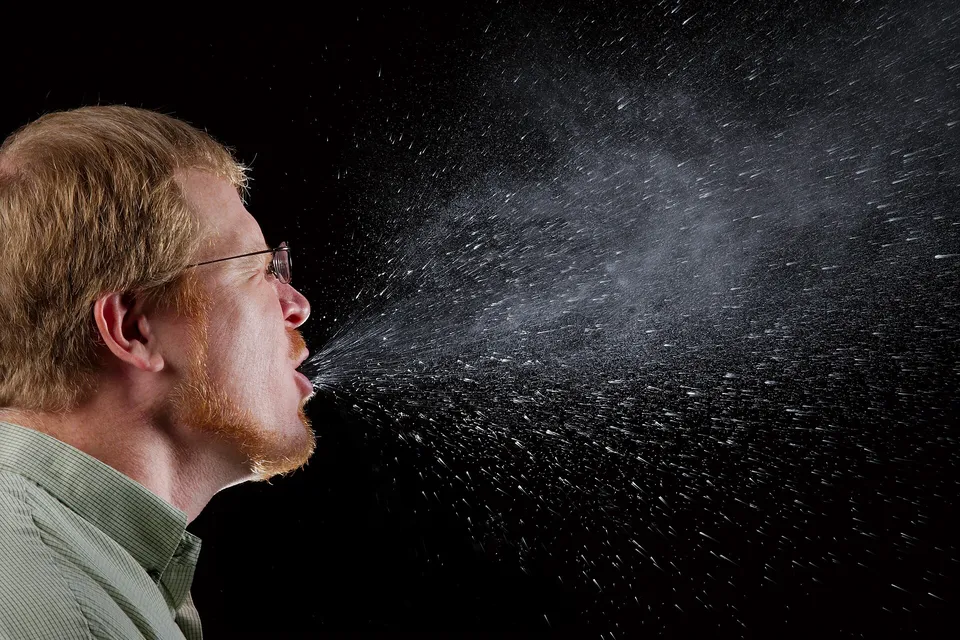
- Fabric and fibers from bedding, carpets, upholstery and clothes.
- Outdoor dirt and pollen tracked in on shoes or blown through windows and gaps.
- Pets shedding hair and dander.
- Dry air and an old HVAC filter that recirculates particles.
- Cleaning that spreads dust, like dry dusting or vacuums without good filters.
You dust on Saturday, and by Tuesday the coffee table is gray again. It's one of the most common household frustrations, and it can feel like dust appears out of nowhere. In reality, household dust is a mix of things from inside and outside your home, and a few habits make a big difference in how quickly it builds up.
This guide explains what dust is made of, the most common reasons a house gets dusty, how to tell which ones apply to you, practical fixes room by room, which tools work best and how to keep dust down if you have allergies.
What is household dust made of?
- Fibers from fabrics: clothing, bedding, towels, carpets and upholstery.
- Dead skin cells.
- Pet hair and dander.
- Outdoor soil and pollen.
- Dust mites and their waste.
- Particles from cooking, candles and fireplaces.
The American College of Allergy, Asthma and Immunology notes that household dust can contain allergens like dust mites, pet dander and pollen.
What are the most common reasons a house is dusty?
| Reason | Signs | Fix |
|---|---|---|
| Lots of fabric | Dust near beds and sofas | Wash bedding weekly, vacuum upholstery |
| Shoes worn inside | Gritty floors near entrances | Doormats, no-shoes rule |
| Old HVAC filter | Dust on vents, quick buildup everywhere | Replace filter regularly |
| Pets | Hair tumbleweeds, dander | Brush pets, vacuum often |
| Dry air | Static, dust that floats | Moderate humidity |
| Leaky windows and doors | Dust near windows, sills | Seal gaps |
| Dry dusting | Dust seems to move, not disappear | Use damp microfiber cloths |
| Weak vacuum filters | Dusty smell after vacuuming | Use HEPA filtration |
How does your HVAC system affect dust?
Forced-air heating and cooling systems pull air through a filter and push it back into rooms. A clogged or low-quality filter lets more particles circulate. Replace filters on schedule, often every one to three months, and keep vents clean. See how to clean air vents. The EPA explains how ventilation and filtration affect indoor air quality.
How should you dust so it doesn't come right back?
- Dust from top to bottom: ceiling fans, shelves, then furniture, then floors.
- Use a slightly damp microfiber cloth that traps dust instead of spreading it.
- Vacuum last to catch what falls.
- Don't forget blinds, baseboards and door frames; see how to clean blinds and how to clean baseboards.
Why does the vacuum's filter matter?
A vacuum without a good filter can blow fine dust back into the air. The EPA explains that HEPA filters can capture very small particles. Using a vacuum with HEPA filtration helps keep fine dust from spreading while you clean.
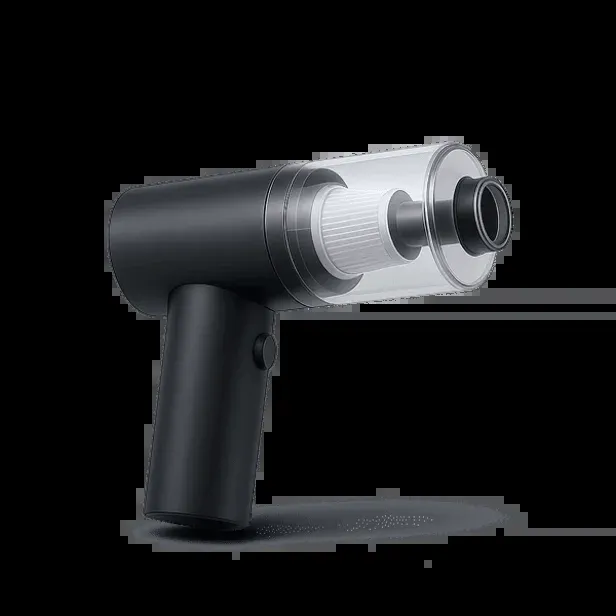
Quick daily dust touch-ups
DustaClean handheld vacuum: cordless, USB-rechargeable, under 1 lb, with HEPA filtration, 2 nozzles and up to 30 minutes per charge. $69.99, or from $49.99 each in bundles.
Check today's price →$69.99, or from $49.99 each in bundles
How does a handheld vacuum help?
Big vacuum sessions happen once a week; dust builds up daily. A light handheld lets you grab dust from shelves, window sills, keyboards, stairs and car seats in seconds. DustaClean is a cordless, USB-rechargeable handheld under 1 lb with HEPA filtration, two nozzles, about 3,500 Pa of suction and up to 30 minutes per charge. Read our DustaClean review and best handheld vacuum.
What should you do room by room?
- Bedroom: wash sheets weekly in hot water, use allergen covers, keep clutter off surfaces; see how to clean a mattress.
- Living room: vacuum upholstery and rugs, dust electronics; see how to clean a couch.
- Entry: two doormats, a shoe rack, quick daily sweep.
- Kitchen: wipe tops of cabinets and the fridge, which collect greasy dust.
- Laundry: clean the dryer lint trap after each load.
What if you have dust allergies?
ACAAI recommends keeping indoor humidity below about 55% to discourage dust mites and washing bedding weekly in hot water. Use allergen-proof covers and HEPA vacuums, and consider removing wall-to-wall carpet in bedrooms. See dust allergy cleaning tips and how to get rid of dust mites.
How do pets add to dust?
Pets shed hair and dander, and track in dirt. Brush pets outdoors when possible, wash their bedding weekly and vacuum floors and furniture often. See how to get rid of pet hair.
Can a robot vacuum help?
A small robot vacuum running daily on hard floors and low rugs picks up dust and hair before it builds up, so floors stay cleaner between deep cleans. See are robot vacuums worth it?
How much does DustaClean cost?
DustaClean is $69.99 for one, $59.99 each for two, $54.99 each for three and $49.99 each for four. Returns are accepted within 30 days for unused products in original packaging; defective products can be replaced or refunded.
Why is a new or renovated home so dusty?
Construction and renovation leave fine drywall dust, sawdust and debris in vents, ducts and on every surface. It can take several deep cleans to get rid of it. Replace HVAC filters more often for a few months, vacuum vents, wipe walls and baseboards with damp cloths, and use a HEPA vacuum to avoid stirring fine dust back into the air. If dust keeps pouring from vents, ask about having ducts cleaned.
Does clutter make a house dustier?
Clutter doesn't create dust, but it gives dust more places to settle and makes cleaning harder, so dust builds up. Stacks of papers, knickknacks, open shelves and piles of clothes collect dust quickly. Store items in closed cabinets or boxes, keep surfaces clear and you'll find dusting much faster. Fewer decorative items on open shelves means fewer things to wipe.
What humidity level helps?
Very dry air lets dust float and creates static that pulls dust onto electronics and surfaces. Very humid air encourages dust mites and mold. A moderate level, often around 30 to 50 percent, is a good balance; ACAAI suggests keeping it below about 55 percent for dust mite control. A simple hygrometer shows your level.
Do air purifiers help with dust?
A portable air purifier with a HEPA filter can capture some airborne particles in a room, especially bedrooms. It doesn't remove dust that has already settled, so it works best combined with regular dusting and vacuuming.
What cleaning schedule keeps dust down?
| How often | Task |
|---|---|
| Daily | Quick handheld vacuum of high-traffic spots, entry mat shake |
| Twice a week | Vacuum floors and rugs; robot vacuum can help |
| Weekly | Damp dust surfaces, wash bedding, vacuum upholstery |
| Monthly | Blinds, baseboards, vents, ceiling fans, check HVAC filter |
| Seasonally | Wash curtains, clean behind furniture, deep clean rugs |
See weekly cleaning schedule and how often to vacuum.
Why do electronics get so dusty?
TVs, computers and speakers build up static that attracts dust, and warm fans pull air through them. Turn devices off, wipe screens with a dry microfiber cloth, use a soft brush or handheld vacuum on vents and keep cables organized so dust doesn't gather in tangles.
Should you keep windows closed?
Open windows bring in fresh air but also pollen and outdoor dust, especially on windy days or near busy roads. Open windows when pollen is low, use window screens and wipe sills and tracks regularly. See how to clean window tracks.
Does your car add dust to the house?
Bags, shoes and coats from a dusty car bring dirt indoors. Vacuuming the car regularly with a handheld helps. See how to clean car seats.
Does laundry add to the dust?
Yes. Washing and drying clothes, towels and bedding releases fibers. A clogged dryer lint trap or a dryer vent that leaks into the house adds even more. Clean the lint screen after every load, check that the dryer vent is properly connected to the outside and fold laundry in one spot so fibers don't scatter through the house.
What about curtains and fabric decor?
Curtains, throw pillows and fabric lampshades trap dust and release it when touched. Vacuum curtains with an upholstery nozzle monthly and wash them seasonally. Choose wipeable blinds or washable fabrics in rooms where dust is a big problem, like bedrooms of allergy sufferers.
What are three quick wins this week?
- Replace the HVAC filter.
- Add a second doormat and start a no-shoes rule.
- Switch to damp microfiber dusting and wash all bedding.
These three steps often make a noticeable difference within days.
Dust will never disappear completely, but with the right habits and tools, you can spend far less time fighting it and more time enjoying a fresher home.
Why is my house dustier than it used to be?
A sudden increase in dust often has a clear cause: a filter that's overdue, a new pet, nearby construction or renovation, a dry heating season, or new carpets and furniture shedding fibers. Start by changing the HVAC filter and checking for gaps around doors and windows, then adjust your cleaning routine for the season.
The bottom line
A dusty house usually comes from fabrics, shoes, pets, old HVAC filters, dry air and cleaning methods that spread dust around. Stop dust at the door, change filters, dust with damp microfiber, wash bedding weekly and vacuum with HEPA filtration. A light handheld for daily touch-ups keeps dust from building up between bigger cleans.
Our pick for quick dust control is DustaClean. Check today's DustaClean price.
Sources
- American College of Allergy, Asthma and Immunology. Dust Allergies.
- U.S. Environmental Protection Agency. What is a HEPA filter?
- U.S. Environmental Protection Agency. Introduction to Indoor Air Quality.
Frequently asked questions
Why does my house get dusty so fast?
Fabrics, shoes, pets, dry air, old HVAC filters and dusting that spreads dust all contribute.
What is household dust made of?
Fabric fibers, skin cells, pet dander, soil, pollen and dust mites.
How often should I change my HVAC filter?
Often every one to three months; check the manufacturer's advice.
What's the best way to dust?
Top to bottom with a damp microfiber cloth, then vacuum.
Do HEPA vacuums help?
Yes, HEPA filters capture fine particles instead of blowing them back out.
What humidity helps with dust mites?
Keeping humidity below about 55% helps, according to ACAAI.

Michelle Hert
Michelle looks into the cleaning products that go viral in ads, from toilet foams to mini vacuums and drain cleaners. She reads the product pages, checkout and return policies, trusted safety sources and buyer feedback so you know what a product really does before you buy it. Her reviews are built on manufacturer information, official checkout and return policies, trusted safety sources and buyer feedback, and are updated when offers change. More about Michelle.