- Monday: bathrooms.
- Tuesday: dusting.
- Wednesday: kitchen deep wipe.
- Thursday: floors.
- Friday: bedrooms and laundry.
- Saturday: catch-up and one monthly task.
- Sunday: rest and plan.
Most people don't fail at cleaning because they don't know how. They fail because there's never a good time to do it all at once. The weekend arrives, the whole house needs attention, and it either eats your Saturday or doesn't get done.
A weekly cleaning schedule solves this by breaking the work into small, predictable pieces. This guide gives you a ready-to-use schedule, a daily reset routine, monthly and seasonal tasks, and tips to adapt it to your household and make it stick.
Why does a cleaning schedule work?
- Small tasks feel doable. Fifteen minutes on the bathroom is easier to start than "clean the house."
- Nothing gets out of hand. Regular cleaning prevents buildup, so each session is quicker.
- Fewer decisions. You know what to do each day without thinking about it.
- Free weekends. When the work is spread out, Saturday doesn't disappear.
- Shared responsibility. A visible plan makes it easier to divide jobs among family members.
What should the daily reset include?
These quick habits take 10 to 15 minutes a day and keep the house presentable between deeper cleans:
- Make the beds right after getting up.
- Wash dishes or run the dishwasher, and wipe kitchen counters and the stovetop.
- Quick wipe of the bathroom sink; squeegee the shower.
- Pick up clutter and put things back where they belong.
- Let the robot vacuum run on the floors (or do a quick sweep of high-traffic areas).
- Sort the mail and take out trash if full, and check the recycling too.
What does a weekly cleaning schedule look like?
| Day | Main task (20–30 min) |
|---|---|
| Monday | Bathrooms: toilet, sink, mirror, shower or tub, floor |
| Tuesday | Dusting: surfaces, shelves, electronics, light fixtures, ceiling fan blades |
| Wednesday | Kitchen: appliance fronts, microwave, cabinet doors, sink, a fridge check |
| Thursday | Floors: vacuum all rooms and rugs, mop hard floors |
| Friday | Bedrooms and laundry: change sheets, vacuum mattress, wash bedding and towels |
| Saturday | Catch-up plus one rotating monthly task |
| Sunday | Rest, meal plan and a quick reset for the week |
Adjust the days to your life. If Mondays are hectic, swap bathrooms to Tuesday. The point is consistency, not the specific day.
How can you automate parts of the schedule?
The fastest cleaning is the cleaning you don't have to do yourself. Two easy wins:
- A robot vacuum for daily floors. Floors are the biggest recurring job. A robot running every day keeps dust, crumbs and pet hair under control, so Thursday's floor session becomes a quick touch-up of edges and carpets.
- A foaming toilet cleaner. Add it to the toilet at the start of the bathroom session; it works while you clean the sink and shower. See our FizzClean review.
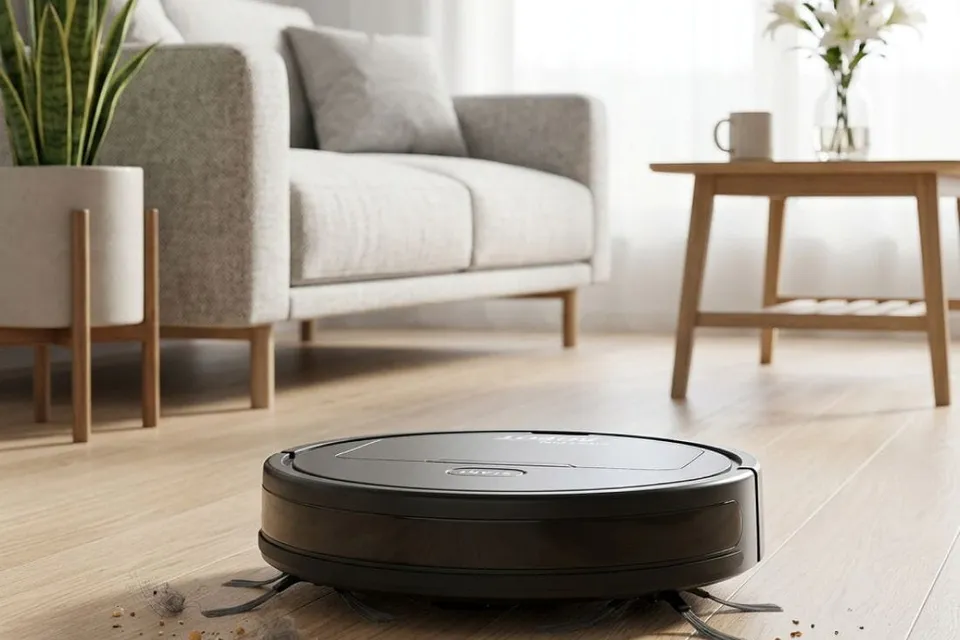
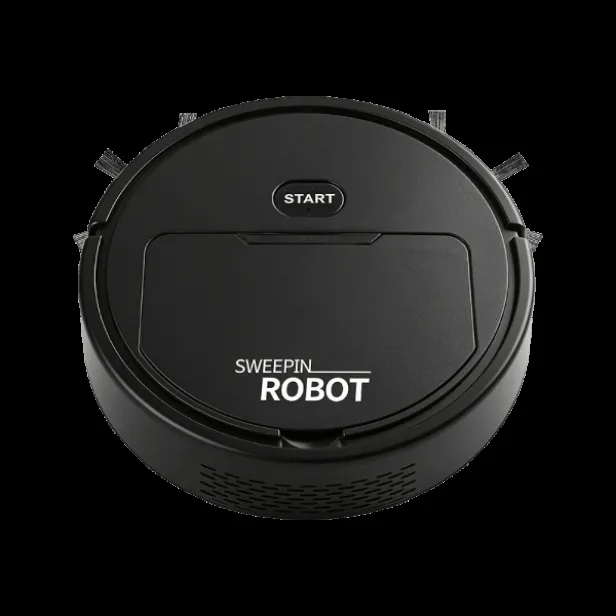
DustaPro is a simple robot for the daily floor job. According to the brand, it's a one-button robot vacuum with no app and no WiFi: charge it by USB, place it on the floor and press start. At 2.8 inches tall it slides under most beds and sofas, it's quiet (60 dB or less) and runs about 25 minutes per charge. It's designed for daily maintenance on hard floors and low rugs, not deep carpet cleaning, which still belongs on Thursday. Read our DustaPro review.
Take daily floors off your to-do list
DustaPro one-button robot vacuum: no app, no WiFi, USB charging, 2.8 in tall, quiet. $69.99, or from $49.99 each in bundles, with a 30-day refund guarantee.
Check today's price →$69.99, or from $49.99 each in bundles
Which tasks should be done monthly?
Rotate one of these into each Saturday so they all get done roughly once a month:
- Wipe baseboards and door frames. See how to clean baseboards.
- Clean inside the microwave and wipe out the fridge.
- Vacuum upholstery and under cushions. See how to clean a couch.
- Wash the shower curtain and bath mats; clean the exhaust fan cover.
- Treat slow drains. See how to unclog a bathroom sink.
- Dust blinds, vents and lampshades.
- Clean vacuum filters and empty or wash the robot's brushes.
- Wipe light switches, door handles and remotes.
What should be on a seasonal list?
- Wash windows inside and out, including the tracks.
- Deep-clean carpets and rugs.
- Clean behind and under large appliances and furniture.
- Wash curtains, duvets and pillows.
- Declutter closets and donate unused items.
- Change HVAC filters (or as recommended), and test smoke and CO alarms.
- Deep-clean the oven and the dishwasher filter.
How do you adapt the schedule to your household?
- Pets: add a daily pet hair pickup on the couch and pet beds, and wash pet bedding weekly. See how to get rid of pet hair.
- Allergies: vacuum floors twice a week with a HEPA vacuum and hot-wash bedding weekly. The American College of Allergy, Asthma and Immunology recommends regular cleaning to reduce dust allergens.
- Small apartment: combine days, such as bathroom plus kitchen on Monday, dusting plus floors on Thursday.
- Busy weekdays: keep the daily reset, move main tasks to two evenings plus Saturday.
- Kids: give each child an age-appropriate daily and weekly job.
How do you share cleaning with family or roommates?
A schedule is easier to share than a vague "help out more." Post the weekly plan where everyone can see it, assign each person specific days or rooms, and rotate monthly so no one is stuck with the bathroom forever. Keep tasks clearly defined: "wipe sink, mirror and counter" works better than "do the bathroom." Children as young as three or four can help with simple tasks, like putting toys away or wiping a low table, and teenagers can own a full room. Praise effort, keep standards realistic and do the daily reset together after dinner; it's faster with more hands and it becomes a shared habit rather than one person's burden.
How do you make the schedule stick?
- Start small: do the daily reset for a week before adding the main tasks.
- Use a timer: 20 minutes, then stop, even if you're not finished.
- Keep supplies where you use them: a caddy in each bathroom, cloths in the kitchen.
- Pair cleaning with something enjoyable, such as a podcast or music.
- Don't try to catch up all at once after a missed day; just do today's task.
- Automate the repetitive jobs.
What if you fall behind?
Everyone misses days: a sick child, a busy week at work, a weekend away. The worst thing to do is try to catch up on everything at once, because it turns cleaning back into a dreaded marathon and makes you more likely to give up on the schedule altogether. Instead, keep doing the daily reset and just pick up the schedule on today's task. If something important was skipped, like the bathroom, slot it into Saturday's catch-up time. One missed dusting day makes very little difference when the rest of the week is on track.
If you find you're falling behind every week, the schedule is too ambitious for your life right now. Simplify it: combine two light tasks into one day, shorten the main sessions to 15 minutes, or move some jobs from weekly to every other week. Automating the repetitive work, like daily floors and the toilet soak, also frees up the time you need. A schedule you can actually follow at 70% is far better than a perfect plan you abandon after two weeks.
Which hotspots need extra attention?
Every home has a few places that get messy faster than the rest: the entryway where shoes and bags pile up, the kitchen counter where mail lands, the bathroom sink, the coffee table, and the floor around the pet's food bowl. Give these hotspots a 60-second tidy during the daily reset, and the whole house will look cleaner even on days when the main task is somewhere else. A tray for mail, a basket for shoes and a mat under the pet bowls make hotspots easier to keep under control.
How much time does this schedule take?
Roughly 10 to 15 minutes for the daily reset plus 20 to 30 minutes for the main task, or about 30 to 45 minutes a day, with a lighter Sunday. That's similar to a big weekend clean in total, but it's spread out, so the house stays consistently clean and you keep your weekends. With a robot handling the floors and a foaming toilet cleaner doing the soaking, the active time drops further.
What are the fastest ways to clean each area?
For the bathroom, follow our 15-minute bathroom routine. For floors, let the robot run daily and do a full vacuum weekly; see how often should you vacuum. For dust, work top to bottom with a damp microfiber cloth so dust doesn't fly back into the air. For the kitchen, wipe as you cook and clean the sink last, so the kitchen ends the day fresh.
How do you keep track of it all?
Write the schedule on a whiteboard in the kitchen, set phone reminders, or print a simple checklist and check off each day. Seeing the plan makes it more likely you'll follow it, and checking boxes is surprisingly motivating. Review it after a month and adjust what isn't working.
The bottom line
A weekly cleaning schedule turns an overwhelming job into small daily tasks: a 10- to 15-minute reset every day, one main task per weekday, a catch-up on Saturday and rest on Sunday. Add monthly and seasonal tasks on rotation, adapt it to pets, allergies or a small home, and automate the repetitive work.
For effortless daily floors, our pick is DustaPro. Check today's DustaPro price.
Sources
- American College of Allergy, Asthma and Immunology. Dust Allergies.
- U.S. Environmental Protection Agency. What Is a HEPA Filter?
- Official DustaPro product page, checked October 2026.
Frequently asked questions
What is a good weekly cleaning schedule?
A daily 10- to 15-minute reset plus one main task per day: bathrooms Monday, dusting Tuesday, kitchen Wednesday, floors Thursday, bedrooms and laundry Friday, catch-up Saturday, rest Sunday.
How long should I clean each day?
About 30 to 45 minutes total: 10 to 15 minutes for the daily reset and 20 to 30 minutes for the day's main task.
What should be cleaned daily?
Make beds, wash dishes and wipe counters, wipe the bathroom sink, pick up clutter, sweep or run a robot vacuum and take out full trash.
What should be cleaned monthly?
Baseboards, inside the microwave and fridge, upholstery, shower curtain and fan cover, drains, blinds and vents, vacuum filters and high-touch surfaces.
How can I make cleaning faster?
Automate repetitive jobs like daily floors with a robot vacuum, let products soak while you clean other areas and keep supplies where you use them.
How do I stick to a cleaning schedule?
Start with the daily reset, use a timer, keep supplies handy, pair cleaning with music or podcasts and just do today's task instead of catching up.

Michelle Hert
Michelle looks into the cleaning products that go viral in ads, from toilet foams to mini vacuums and drain cleaners. She reads the product pages, checkout and return policies, trusted safety sources and buyer feedback so you know what a product really does before you buy it. Her reviews are built on manufacturer information, official checkout and return policies, trusted safety sources and buyer feedback, and are updated when offers change. More about Michelle.