
- Put allergen-proof covers on mattresses and pillows.
- Wash bedding weekly in hot water and dry it on high heat.
- Keep indoor humidity below about 50%.
- Vacuum often with a HEPA-filter vacuum, including mattresses, upholstery and rugs.
- Dust with a damp cloth.
- Reduce clutter, fabric and soft toys in the bedroom.
General information, not medical advice. If you have asthma or significant allergy symptoms, talk with a doctor or allergist about testing and treatment.
If you wake up sneezing, with an itchy nose or watery eyes, and your symptoms are worse in bed or when you dust, dust mites may be to blame. These microscopic relatives of spiders live in nearly every home. They're invisible to the naked eye, don't bite and don't spread disease, but proteins in their droppings and body fragments are one of the most common indoor allergy triggers.
This guide explains what dust mites are, where they live, and the practical, proven steps that reduce them, starting with the bedroom, where exposure is highest.
What are dust mites?
Dust mites are tiny creatures, about a quarter to a third of a millimeter long, that feed on flakes of human and pet skin. They don't drink water; they absorb moisture from the air, which is why they thrive in warm, humid environments. A single mattress or pillow can host large numbers of them.
The American College of Allergy, Asthma and Immunology lists dust mites among the main causes of dust allergy, along with pet dander, cockroaches, mold and pollen.
Where do dust mites live in the home?
- Mattresses and pillows: the biggest reservoir, thanks to skin flakes, warmth and moisture from our bodies.
- Bedding: sheets, blankets and comforters.
- Upholstered furniture: sofas and armchairs.
- Carpets and rugs, especially thick pile.
- Curtains and drapes.
- Stuffed toys and fabric cushions.
What are the signs of a dust mite allergy?
Common symptoms include sneezing, a runny or stuffy nose, itchy or watery eyes, coughing, an itchy throat and, in people with asthma, wheezing or tightness in the chest. Symptoms are often worse at night or first thing in the morning, and when dusting, vacuuming or making the bed stirs up particles. An allergist can confirm a dust mite allergy with skin or blood tests.
Why are mattress and pillow covers so important?
Allergen-proof encasements are tightly woven or membrane covers that zip completely around the mattress, box spring and pillows. They create a barrier between you and the mites and allergens inside. Allergy specialists consider them one of the most effective single steps. Choose zippered encasements labeled for dust mite allergies, and wash them as directed.
How should you wash bedding to kill dust mites?
- Wash sheets, pillowcases and blanket covers weekly.
- Use hot water, ideally at least 130°F (54°C), if fabric care labels allow. Hot water kills mites; warm water mainly removes allergens.
- Dry on a hot setting to kill any remaining mites before remaking the bed.
- Wash comforters, duvets and blankets regularly, or use washable covers.
- Choose washable pillows or replace pillows periodically, every year or two.
Why does humidity matter?
Dust mites need humidity to survive. Keeping indoor relative humidity below about 50% makes the home much less hospitable. ACAAI recommends keeping humidity below 55%. Use a hygrometer (an inexpensive humidity monitor) to check levels, run air conditioning in humid weather, use a dehumidifier in damp rooms or basements, ventilate the bathroom and kitchen, and avoid over-humidifying in winter.
How does vacuuming help reduce dust mites?
Vacuuming removes mite debris, allergen-laden dust and skin flakes, the mites' food supply. To do it well:
- Use a HEPA filter. The EPA explains that HEPA filters are designed to capture very small particles, so allergens stay in the vacuum instead of being blown back into the room.
- Vacuum mattresses every time you change the sheets, plus sofas, chairs and cushions weekly.
- Vacuum carpets and rugs at least twice a week, slowly.
- Don't forget curtains, headboards and under the bed.
- Wear a mask if you're the one with allergies, or have someone else vacuum.
The hardest part is doing it often enough. A full-size vacuum on a mattress or sofa is awkward, which is why a lightweight cordless handheld is so useful. DustaClean is our pick: according to the brand, it weighs under a pound and has about 3,500 Pa of suction for its size, a washable HEPA filter, a brush nozzle for fabric and a slim nozzle for seams. It runs up to 30 minutes per charge, enough for beds, sofas and curtains in one go. Read our DustaClean review.

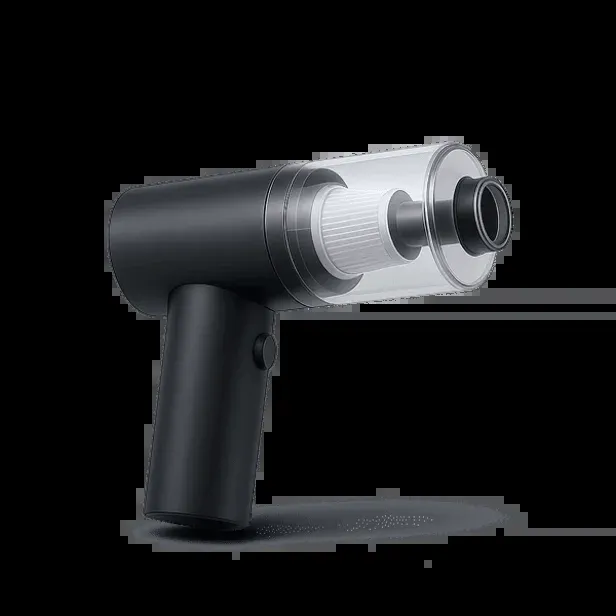
Vacuum beds and sofas as often as allergies need
DustaClean cordless handheld vacuum: under 1 lb, about 3,500 Pa suction, washable HEPA filter, brush and slim nozzles. $69.99, or from $49.99 each in bundles.
Check today's price →$69.99, or from $49.99 each in bundles
How should you dust to avoid stirring up allergens?
Dry dusting with a feather duster mostly moves dust into the air. Instead, use a damp or microfiber cloth that traps particles. Dust from top to bottom, so falling dust ends up on the floor before you vacuum. Dust at least weekly, and always include ceiling fan blades, lampshades and the top of door frames.
How do you make the bedroom less mite-friendly?
- Choose hard flooring or low-pile, washable rugs where possible.
- Replace heavy drapes with washable curtains or blinds.
- Keep clutter, books and decorative fabrics to a minimum.
- Limit stuffed toys, or wash or freeze them regularly (24 hours in the freezer, then wash to remove allergens).
- Keep pets out of the bedroom if anyone has allergies.
- Choose furniture that's easy to wipe: wood, metal or leather rather than heavy upholstery.
What else helps reduce dust mites?
- Air purifier with a HEPA filter in the bedroom; it helps with airborne allergens, though mite allergens settle quickly.
- Change HVAC filters regularly, choosing a high-efficiency filter if your system allows.
- Air out the bed in the morning before making it, so moisture escapes.
- Shower before bed to reduce skin flakes and oils.
- Keep a bedroom window open briefly each day, when outdoor pollen is low, to let humid air out.
What doesn't work very well?
Sprays and powders marketed to kill dust mites often have limited effect compared with encasements, hot washing, humidity control and vacuuming, and some leave residues. Ozone generators are not recommended for indoor air cleaning. Dry steam can help on some fabrics, but test first and make sure items dry completely. Focus on the basics; they make the biggest difference. Encasements, hot water, dry air and a good vacuum are inexpensive, safe and proven, and they work together: each one makes the others more effective.
What about the living room and the rest of the house?
The bedroom matters most, but dust mites also live in sofas, armchairs, cushions, rugs and curtains throughout the house. Upholstered furniture is a particular problem because it's used every day, collects skin flakes and is rarely cleaned as thoroughly as bedding. Vacuum sofas and chairs weekly with a brush nozzle, including under and between the cushions, and wash removable cushion covers and throws according to their labels. Choose washable throw blankets rather than decorative fabrics that can't be cleaned.
Rugs and carpets in living areas need slow, regular vacuuming, ideally twice a week in homes with allergies. If you're replacing flooring, hard floors with a few washable rugs are much easier to keep low in allergens than wall-to-wall carpet. Pets add dander and extra skin flakes for mites to feed on, so homes with dogs or cats benefit from more frequent vacuuming; see our guide on how to get rid of pet hair. Finally, remember the car: fabric seats collect skin flakes and dust too, and a quick vacuum every couple of weeks keeps them from becoming another allergen reservoir.
What does a dust mite control routine look like?
| How often | Task |
|---|---|
| Daily | Air out the bed; check humidity in damp seasons |
| Weekly | Hot-wash bedding; vacuum mattress, sofa and floors with HEPA; damp-dust surfaces |
| Monthly | Wash curtains or vacuum them; wash comforter or covers; clean vacuum filter |
| Every 1–3 months | Change HVAC filter; wash or freeze stuffed toys |
See also our guide on how to reduce dust in your house and how to clean a mattress.
How do you protect children with dust mite allergies?
Children spend a lot of time in bed and on the floor, close to mite allergens. Start with the bed: allergen-proof covers on the mattress and pillow, weekly hot washing of bedding, and a small number of washable stuffed toys rather than a pile of them. Choose washable rugs for play areas and vacuum them often, ideally while the child is out of the room. Keep the bedroom simple and easy to clean, without heavy drapes or upholstered furniture. If your child has asthma, follow the doctor's action plan and mention any changes in symptoms, since reducing allergen exposure at home is often part of managing it well.
Make cleaning routines part of family life instead of a big project: stripping the bed together on the same day every week, for example, helps kids learn the habits and keeps the work light.
When should you see a doctor?
See a doctor or allergist if symptoms are frequent, interfere with sleep or daily life, or if you have asthma symptoms. They can confirm the trigger and discuss options such as medications or allergy immunotherapy, alongside the home measures in this guide.
Related guides: how often you should vacuum and a weekly cleaning schedule.
The bottom line
Dust mites can't be eliminated, but you can sharply reduce them: encase mattresses and pillows, wash bedding hot every week, keep humidity low, vacuum often with a HEPA filter, damp-dust and simplify the bedroom. Doing these things consistently matters more than any single product.
For frequent, easy vacuuming of beds and sofas, our pick is DustaClean. Check today's DustaClean price.
Sources
- American College of Allergy, Asthma and Immunology. Dust Allergies.
- U.S. Environmental Protection Agency. What Is a HEPA Filter?
- Official DustaClean product page, checked October 2026.
Frequently asked questions
Can you get rid of dust mites completely?
No, dust mites live in nearly every home, but you can greatly reduce them and their allergens with encasements, hot washing, low humidity and regular HEPA vacuuming.
What kills dust mites in bedding?
Washing in hot water, ideally at least 130°F (54°C) if the fabric allows, and drying on high heat kills dust mites.
Does vacuuming get rid of dust mites?
Vacuuming with a HEPA filter removes mite debris, allergens and their food supply, and is an important part of control, along with encasements and hot washing.
What humidity do dust mites need?
They thrive in humid air. Keeping indoor humidity below about 50%, and ACAAI recommends below 55%, makes your home much less hospitable to them.
Are dust mite sprays effective?
Sprays and powders often have limited effect compared with encasements, hot washing, humidity control and vacuuming.
What are the symptoms of a dust mite allergy?
Sneezing, runny or stuffy nose, itchy or watery eyes, coughing and, in people with asthma, wheezing. Symptoms are often worse in bed or in the morning.

Michelle Hert
Michelle looks into the cleaning products that go viral in ads, from toilet foams to mini vacuums and drain cleaners. She reads the product pages, checkout and return policies, trusted safety sources and buyer feedback so you know what a product really does before you buy it. Her reviews are built on manufacturer information, official checkout and return policies, trusted safety sources and buyer feedback, and are updated when offers change. More about Michelle.