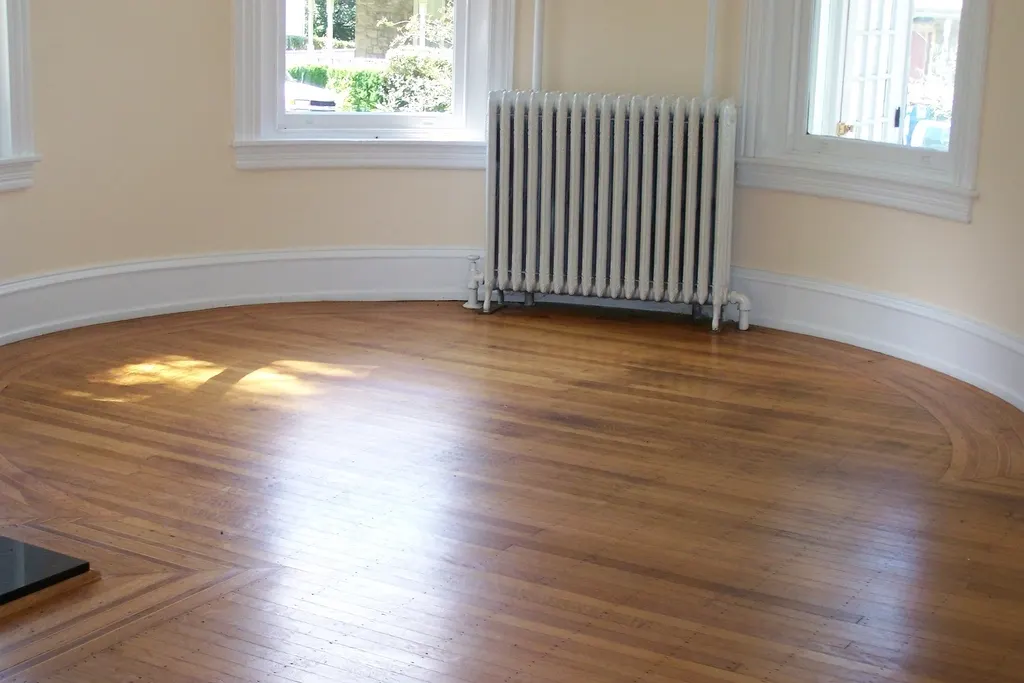
- Remove loose dust and hair first with a vacuum brush or crevice nozzle, so you don't smear it into grime.
- Wipe with a microfiber cloth dampened in warm water and a drop of dish soap.
- Treat scuffs gently: a little baking soda paste or a melamine sponge, tested first.
- Dry with a clean cloth.
Baseboards are one of those things nobody notices until they're dirty, and then you can't stop noticing. Dust, pet hair, scuff marks from shoes and vacuums, and splashes from mopping collect along the bottom of every wall. Dirty baseboards make even a freshly cleaned room look tired.
The good news: cleaning baseboards is quick once you have the right method, and keeping them clean is easier still. A typical room takes about ten minutes, and with a weekly dust-off, the monthly wipe gets faster every time because there's simply less grime to remove. This guide covers the step-by-step method, how to handle scuffs and different finishes, tools that save your back, and how to keep baseboards clean longer.
Why do baseboards get so dirty?
- Dust settles on the top ledge, the way it does on any shelf.
- Vacuums and robot vacuums push dust and hair toward the edges.
- Mopping splashes dirty water onto them, leaving gray streaks as it dries.
- Shoes, vacuums, kids' toys and furniture leave scuffs.
- Pets shed along walls and rub against them.
- Kitchens add grease splatter that makes dust stick.
What do you need to clean baseboards?
- A vacuum with a brush or crevice nozzle. A handheld is easiest.
- Several clean microfiber cloths, so you can switch often.
- A small bucket of warm water with a few drops of dish soap.
- Baking soda or a melamine sponge for scuffs (test first).
- A soft-bristle brush or old toothbrush for corners and grooves.
- Optional: a kneeling pad or a long-handled microfiber tool.
How do you clean baseboards step by step?
- Dust first. Run a vacuum with a brush nozzle along the top ledge and the floor seam. This removes loose dust and hair that would otherwise turn into muddy streaks when wet.
- Wipe. Dip a microfiber cloth in warm, soapy water, wring it out well and wipe the baseboard from top to bottom. Rinse the cloth often.
- Get the details. Use an old toothbrush on decorative grooves and corners.
- Treat scuffs. Gently rub with a paste of baking soda and water, or a lightly dampened melamine sponge. Test on a hidden spot first, since both can dull some paint finishes.
- Rinse with a cloth dampened in plain water if you used soap or baking soda.
- Dry with a clean cloth to prevent water marks and protect wood.
Why vacuum before wiping?
If you go straight in with a wet cloth, the dust and hair turn into a gray paste that smears along the baseboard and into corners. Vacuuming first removes most of it, so the wet wipe only has to handle the stuck-on grime. A brush nozzle loosens dust from the ledge; a crevice nozzle gets into the gap between the baseboard and the floor and into corners where dust bunnies collect.
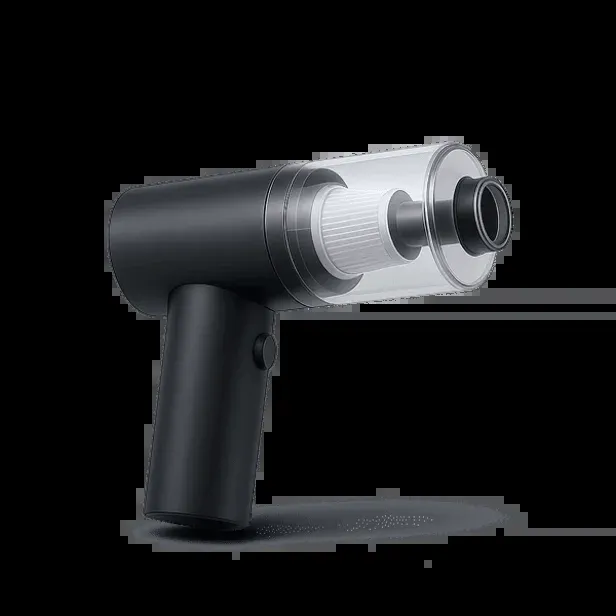
A full-size vacuum hose works, but walking a big vacuum around every room just for the edges is slow. A lightweight cordless handheld is much faster. DustaClean is our pick: according to the brand, it weighs under a pound, has about 3,500 Pa of suction for its size, a brush nozzle and a slim crevice nozzle, a washable HEPA filter to keep fine dust from blowing back into the room, and runs up to 30 minutes per charge, enough for every baseboard in a typical home. Read our DustaClean review.
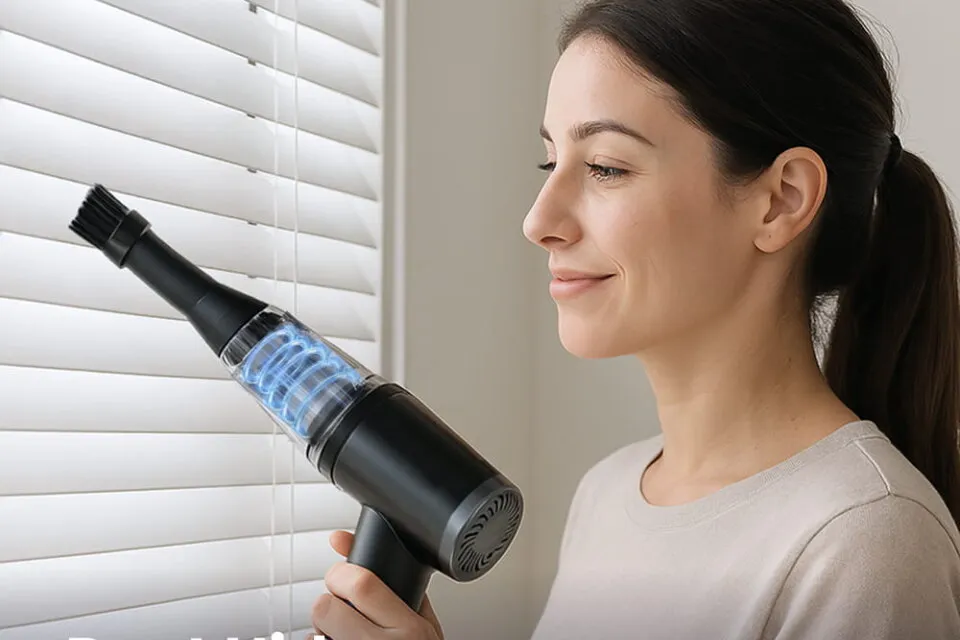
Quick baseboard dusting without hauling a big vacuum
DustaClean cordless handheld vacuum: under 1 lb, about 3,500 Pa suction, brush and crevice nozzles, washable HEPA filter. $69.99, or from $49.99 each in bundles.
Check today's price →$69.99, or from $49.99 each in bundles
Do different finishes need different care?
- Painted baseboards (semi-gloss or gloss): handle mild soapy water well; be gentle with abrasives on flat or matte paint.
- Stained or natural wood: use a barely damp cloth and dry immediately; consider a wood-safe cleaner.
- Vinyl or MDF: wipe with mild soapy water; avoid soaking MDF, which can swell at the edges.
- Tile baseboards: mild cleaner and a brush for grout lines.
Avoid harsh cleaners that can strip paint or finish, and never mix cleaning products. Health Canada warns that mixing bleach with other cleaners can release toxic gases.
How do you clean baseboards without hurting your back?
- Vacuum from standing with a handheld on an extension or a long crevice tool, rather than crouching.
- Use a long-handled microfiber tool or a mop with a microfiber pad for the wet wipe.
- Sit on a low stool and scoot along instead of kneeling.
- Use a kneeling pad if you do kneel.
- Work in short sections, one room at a time, and take breaks between rooms.
How do you clean greasy kitchen baseboards?
Kitchen baseboards collect grease splatter that traps dust, especially near the stove, the sink and the trash can. Use warmer water and a bit more dish soap, which cuts grease, and let it sit for a minute before wiping. For stubborn, sticky spots, repeat rather than scrubbing hard, which can wear through paint. A soft brush helps with textured surfaces. Rinse and dry well. Wiping kitchen baseboards monthly keeps grease from building into a sticky layer.
What about baseboards in a home with pets?
Pet hair drifts to the edges of rooms and clings to baseboards, and pets that rub along walls can leave oily marks. Vacuum the baseboards weekly with a brush nozzle and wipe high-traffic stretches more often. See our guide on how to get rid of pet hair.
How often should you clean baseboards?
| How often | Task |
|---|---|
| Weekly | Quick vacuum along baseboards in busy rooms |
| Monthly | Wipe baseboards in kitchens, entryways and pet areas |
| Every 2–3 months | Wipe all baseboards in the home |
| Once or twice a year | Deep clean, touch up paint and caulk as needed |
See how this fits into the bigger picture in our weekly cleaning schedule.
How do you keep baseboards clean longer?
- Dryer sheet trick: some people wipe baseboards with a dryer sheet after cleaning to help repel dust. Test on a small area first.
- Vacuum edges weekly so dust never builds up.
- Wring mops well to avoid dirty splashes.
- Use furniture pads and keep furniture a little away from walls to avoid scuffs.
- Choose washable paint (semi-gloss or satin) when repainting.
- Take shoes off at the door and use doormats to reduce dirt.
- Reduce household dust overall. See how to reduce dust in your house.
Which rooms need the most attention?
Not all baseboards get dirty at the same speed, so you don't need to clean every room on the same schedule. Entryways and mudrooms take the most abuse: wet shoes, bags set down against the wall and outdoor dirt tracked in. Wipe them more often, especially in rainy or snowy months. Kitchens collect grease and food splashes along the base of cabinets and walls. Hallways get scuffed by shoes, vacuums and laundry baskets. Bathrooms see water splashes and hair, and moisture can make dust stick. Bedrooms and living rooms mostly collect dust and pet hair, which a quick weekly vacuum handles well.
A practical approach is to keep a small bucket, a couple of microfiber cloths and the handheld vacuum together, and spend ten minutes on one or two of the busiest areas each week. Over a month, you'll cover the whole home without ever setting aside an afternoon for it. Kids can help too: wiping baseboards with a damp cloth is an easy, low-risk job that younger children often enjoy, especially if it's turned into a race from one door to the next.
What's the fastest fix before guests arrive?
If you only have a few minutes, focus on what visitors actually see: the entryway, the living room and the guest bathroom. Run the handheld along the baseboards in those rooms, then wipe any visible scuffs with a damp microfiber cloth. Ten minutes is usually enough to make the rooms look noticeably fresher.
Does cleaning baseboards help with allergies?
Yes, a little. Baseboards and the floor seam collect dust that contains allergens like dust mites and pet dander, which gets stirred up when people walk by or vacuums pass. The American College of Allergy, Asthma and Immunology recommends regular cleaning to reduce dust allergens. Vacuuming edges with a HEPA-filter vacuum and damp-wiping, rather than dry dusting, keeps those particles from going airborne. See also how to get rid of dust mites.
Do robot vacuums clean baseboards?
Robots with side brushes sweep dust away from walls toward the main brush, which helps keep the floor seam cleaner, but they don't clean the baseboard surface itself, and some push dust into corners. A robot plus a weekly handheld pass along the edges is an efficient combination. See robot vacuum vs regular vacuum.
When should you touch up instead of clean?
If scuffs won't come off or the finish is worn through to bare wood or MDF, cleaning harder will only make it worse. A small pot of matching paint and a narrow brush fix most marks in minutes. Re-caulking the gap between baseboard and wall also gives a clean, fresh look and stops dust collecting in the crack. Many people do both every few years, often before repainting a room.
The bottom line
Clean baseboards by vacuuming off loose dust first, then wiping with warm, soapy water and a well-wrung microfiber cloth, treating scuffs gently and drying. Vacuum along the edges weekly and wipe high-traffic areas monthly to keep them looking fresh with minimal effort.
For quick weekly edge dusting, our pick is DustaClean. Check today's DustaClean price, or see our guide to the best handheld vacuum.
Sources
- American College of Allergy, Asthma and Immunology. Dust Allergies.
- Health Canada. Never Mix Bleach With Other Cleaning Products.
- Official DustaClean product page, checked October 2026.
Frequently asked questions
What is the easiest way to clean baseboards?
Vacuum loose dust with a brush or crevice nozzle first, then wipe with a well-wrung microfiber cloth dipped in warm, soapy water, and dry.
How do you remove scuff marks from baseboards?
Gently rub with a baking soda paste or a lightly dampened melamine sponge after testing on a hidden spot, then rinse and dry.
How often should you clean baseboards?
Vacuum along them weekly in busy rooms, wipe kitchens, entryways and pet areas monthly, and wipe all baseboards every 2 to 3 months.
How can I clean baseboards without bending?
Use a handheld vacuum with a long crevice tool and a long-handled microfiber tool or mop pad, or sit on a low stool.
What should I clean baseboards with?
Warm water with a few drops of dish soap and a microfiber cloth works for most finishes. Avoid harsh cleaners and never mix products.
Do robot vacuums clean baseboards?
They help keep the floor seam cleaner with side brushes but don't clean the baseboard itself. A weekly handheld pass along the edges completes the job.

Michelle Hert
Michelle looks into the cleaning products that go viral in ads, from toilet foams to mini vacuums and drain cleaners. She reads the product pages, checkout and return policies, trusted safety sources and buyer feedback so you know what a product really does before you buy it. Her reviews are built on manufacturer information, official checkout and return policies, trusted safety sources and buyer feedback, and are updated when offers change. More about Michelle.