
- Reduce shedding at the source by brushing your pet regularly, ideally outdoors.
- Remove hair often with the right tools: a rubber glove or squeegee for fabric, a lint roller for clothes, and a vacuum with a brush nozzle for couches, beds, stairs and car seats.
- Keep floors and air clear with frequent vacuuming and HEPA filtration.
If you share your home with a dog or cat, you know the drill: hair on the couch, tumbleweeds of fur in the corners, a fuzzy layer on your black pants, and a car seat that looks like it's wearing a sweater. Pet hair is one of the most common cleaning complaints, and it can feel like a losing battle.
It doesn't have to be. This guide covers why some pets shed so much, the tools that actually pick up hair from each surface, a simple daily and weekly routine, and how to keep pet hair (and the allergens that come with it) under control.
Why do pets shed so much?
Shedding is natural: dogs and cats lose old or damaged hair to make room for new growth. Many breeds shed more heavily in spring and fall as they switch between winter and summer coats. Double-coated dogs like huskies, shepherds and retrievers shed a lot, and many cats shed steadily year-round. Stress, diet and some health problems can increase shedding, so ask your vet if shedding suddenly changes or comes with bald patches or skin irritation.
You can't stop healthy shedding, but you can catch much of the hair before it lands on the sofa. Every hair you remove with a brush in the yard is one less hair you'll vacuum off the cushions later, which is why grooming is the most underrated cleaning tool for pet owners.
How do you reduce shedding at the source?
- Brush regularly: several times a week, or daily during heavy shedding seasons. Use the right brush for the coat type: slicker brushes, undercoat rakes or rubber curry brushes.
- Brush outdoors or on an easy-to-clean floor.
- Bathe as recommended for your pet's breed. Overbathing can dry the skin.
- Feed a good-quality diet and ask your vet about anything else that could help the coat.
- Professional grooming during shedding season can remove a lot of undercoat at once.
How do you get pet hair off a couch?
Upholstery is where pet hair loves to hide, woven into the fabric and tucked into seams and cushions. What works:
- Rubber glove or rubber brush: slightly dampen a rubber glove and wipe across the fabric. The hair balls up and is easy to pick off.
- Vacuum with a brush nozzle: go over cushions, arms, the back and especially the seams and crevices.
- Remove cushions and vacuum underneath, where hair and crumbs collect.
- Use a washable throw on your pet's favorite spot and wash it weekly.
A handheld vacuum makes this a two-minute daily job instead of a weekend project. See our guide on how to clean a couch for a deeper clean.

Why is a handheld vacuum so useful for pet hair?
Because pet hair is a daily problem, and dragging out a full-size vacuum every day isn't realistic. A cordless handheld vacuum sits on a shelf and is ready in seconds for the couch, the pet bed, the stairs or the car.
DustaClean is our pick for this job. According to the brand, it's a cordless, USB-rechargeable mini vacuum that weighs under a pound, with about 3,500 Pa of suction for its size, a washable HEPA filter, a slim crevice nozzle for seams and gaps and a brush nozzle for fabric and pet hair, and up to 30 minutes per charge. Buyers with pets often say they use it every day on the couch and the dog's bed. Read our full DustaClean review, where we rate it 4.4/5.
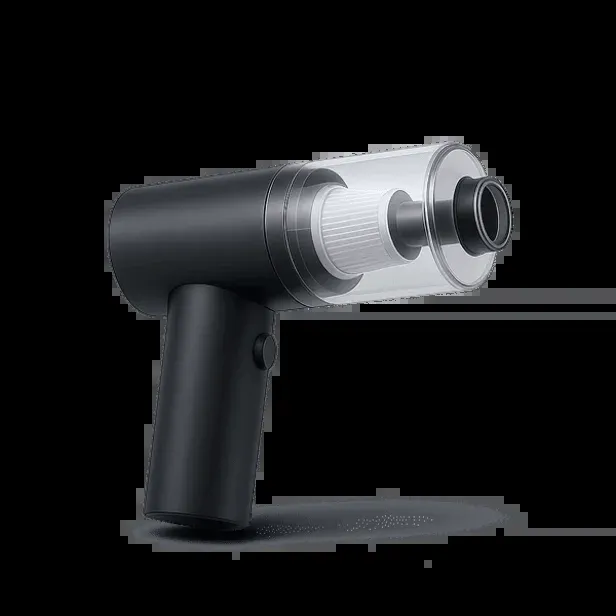
Daily pet hair pickup in two minutes
DustaClean cordless handheld vacuum: under 1 lb, about 3,500 Pa suction, HEPA filter, brush and crevice nozzles, up to 30 minutes per charge. $69.99, or from $49.99 each in bundles.
Check today's price →$69.99, or from $49.99 each in bundles
How do you get pet hair off floors and carpets?
- Hard floors: a microfiber dust mop or a vacuum catches hair without scattering it the way a broom does.
- Carpets and rugs: vacuum slowly, in several directions, with a vacuum that has good suction and a rotating brush. A rubber carpet rake loosens embedded hair before vacuuming.
- Corners and edges: hair drifts there; use a crevice tool.
- Daily maintenance: a small robot vacuum can do a daily pass on hard floors and low rugs to stay ahead of shedding. See robot vacuums for pet hair.
How do you get pet hair off clothes?
- Use a lint roller or a reusable lint brush before leaving the house.
- Run clothes through the dryer on a low or no-heat cycle for 10 minutes before washing to loosen hair, then clean the lint trap.
- Add a dryer sheet or wool dryer balls to help release hair.
- Shake items outdoors before washing.
- Clean the washer drum and filter regularly to remove trapped hair.
How do you keep pet hair out of the bed?
If your pet sleeps on the bed, a washable cover on top of the comforter is the easiest fix: wash it weekly. Vacuum the mattress when you change the sheets, especially the edges and seams. Read our guide on how to clean a mattress for a full routine.
How do you get pet hair out of a car?
Car upholstery and carpet grab hair tightly. Use a rubber glove or a pumice-style detailing stone to loosen hair from carpets, then vacuum with a crevice tool between seats and a brush nozzle on fabric. A seat cover or hammock for your pet makes future cleanups much easier. Our guide to the best handheld vacuum for the car covers it step by step.
Does pet hair affect allergies and air quality?
Pet allergies are actually caused by proteins in dander, saliva and urine, which cling to hair and settle on surfaces. Removing hair and dust regularly helps reduce exposure. The American College of Allergy, Asthma and Immunology notes that pet dander is a common component of household dust. The EPA explains that HEPA filters capture very small particles, which is why vacuums and air purifiers with HEPA filters are popular in pet homes.
Other helpful steps: keep pets out of the bedroom if anyone has allergies, wash pet beds weekly, change HVAC filters regularly and use an air purifier in the main living area.
What does a simple pet hair routine look like?
| How often | Task |
|---|---|
| Daily (2–5 min) | Quick handheld vacuum of couch, pet bed and hotspots; robot vacuum pass on floors |
| 2–3 times a week | Brush your pet; vacuum high-traffic floors and rugs |
| Weekly | Wash throws, pet beds and bed covers; vacuum under cushions and the mattress |
| Monthly | Vacuum stairs, curtains and car; clean vacuum filters; change HVAC filter as recommended |
Small, frequent sessions beat one big clean, because hair never has the chance to get ground into fabric and carpet.
What tools work best for pet hair?
- Cordless handheld vacuum with a brush nozzle, for daily upholstery and spot cleaning.
- Full-size vacuum with good suction and a rotating brush, for carpets.
- Robot vacuum for daily maintenance on hard floors.
- Rubber glove, squeegee or rubber brush for fabric.
- Lint roller for clothes, with a spare in the car and by the front door.
- Washable covers and throws for furniture and beds.
- HEPA air purifier for allergy-prone homes.
What pet hair cleaning mistakes should you avoid?
A few common habits make pet hair harder to deal with. Sweeping with a broom on hard floors tends to send fine hair and dander into the air, where it settles again on furniture; a microfiber mop or a vacuum traps it instead. Waiting for the weekend lets hair get pressed deep into fabric and carpet, so it takes much longer to remove. Skipping filter care on vacuums and air purifiers reduces suction and lets particles escape; rinse or replace filters as the manufacturer recommends. Washing pet bedding with a full load of clothes spreads hair around the drum, so wash it separately and wipe the drum afterward.
Finally, don't forget the places hair collects quietly: under the bed, behind the sofa, along baseboards and on curtains and lampshades. A five-minute pass with a lightweight handheld vacuum once a week keeps these hidden spots from turning into dust bunnies. See how to clean baseboards for a quick method.
Which furniture fabrics resist pet hair?
If you're buying new furniture or covers, tightly woven fabrics, leather and microfiber tend to release hair more easily than loose weaves, velvet or chenille, which grab it. Colors close to your pet's coat also make hair less visible between cleanings. Washable slipcovers are a practical compromise for families with pets and kids.
How do you clean pet hair off stairs?
Stairs collect hair on every tread and in every corner, and full-size vacuums are awkward to carry up and down. A lightweight handheld vacuum is ideal: start at the top, use the crevice tool along the back and sides of each step, then the brush nozzle across the tread. Doing this once or twice a week keeps hair from building up.
The bottom line
Getting rid of pet hair is about reducing shedding with regular brushing and removing hair little and often with the right tools: rubber for fabric, lint rollers for clothes, a robot vacuum for daily floors and a handheld vacuum for couches, beds, stairs and the car. Wash pet bedding and covers weekly, and use HEPA filtration if allergies are a concern.
For daily pickup, our pick is DustaClean. Check today's DustaClean price, and see our guide on how to reduce dust in the house.
Sources
- American College of Allergy, Asthma and Immunology. Dust Allergies.
- U.S. Environmental Protection Agency. What Is a HEPA Filter?
- Official DustaClean product page, checked October 2026.
Frequently asked questions
What is the fastest way to remove pet hair from a couch?
Wipe the fabric with a slightly damp rubber glove to ball up the hair, then vacuum with a brush nozzle, paying attention to seams and under the cushions.
What vacuum is best for pet hair?
A vacuum with good suction and a brush nozzle. A cordless handheld vacuum like DustaClean is ideal for daily pickup on couches, beds, stairs and in the car.
How can I reduce pet shedding?
Brush your pet regularly with the right brush for the coat, ideally outdoors, feed a good diet, bathe as recommended and consider professional grooming in shedding season.
How do I get dog hair off clothes?
Use a lint roller, run clothes in the dryer on low or no heat for 10 minutes before washing to loosen hair, and clean the washer and lint trap regularly.
Does removing pet hair help with allergies?
It helps, because allergens from dander and saliva cling to hair and settle in dust. HEPA filtration and washing pet bedding weekly also help.
How often should I vacuum with pets?
A quick daily pass on hotspots and two to three thorough vacuums a week usually keep pet hair under control.

Michelle Hert
Michelle looks into the cleaning products that go viral in ads, from toilet foams to mini vacuums and drain cleaners. She reads the product pages, checkout and return policies, trusted safety sources and buyer feedback so you know what a product really does before you buy it. Her reviews are built on manufacturer information, official checkout and return policies, trusted safety sources and buyer feedback, and are updated when offers change. More about Michelle.