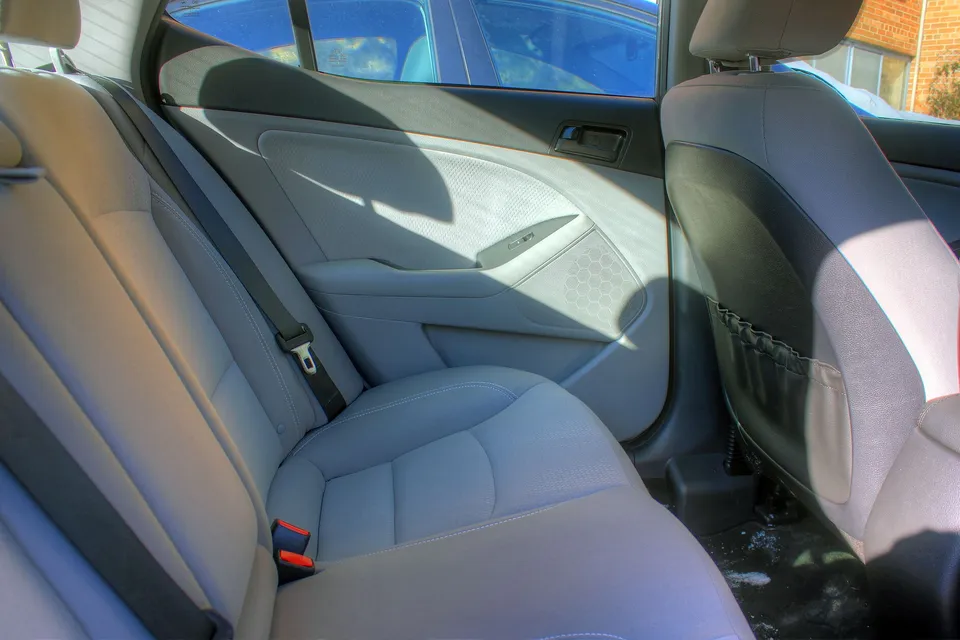
- Vacuum thoroughly, including seams and between the seat and console; a handheld vacuum like DustaClean reaches tight spots.
- Check the label or manual for your seat material (fabric, leather, vinyl).
- Fabric: spray an upholstery cleaner or mild soapy water, scrub gently with a soft brush, blot with a microfiber cloth.
- Leather: wipe with a leather cleaner, then condition.
- Let seats dry with windows open.
Car seats take a beating: crumbs from snacks, spilled coffee, pet hair, sand from the beach, sweat and dirt from everyday use. Because cars are small, enclosed spaces, dirty seats also make the whole interior smell stale. Cleaning them regularly keeps your car comfortable and protects the upholstery, which matters for resale value too.
This guide covers how to clean fabric, leather and vinyl seats, how to remove common stains, what tools to use, how to deal with odors and pet hair, and how often to do it.
What do you need?
| Tool | Use |
|---|---|
| Handheld vacuum with crevice and brush nozzles | Crumbs, dust, hair in seams |
| Soft upholstery brush | Working in cleaner |
| Microfiber cloths | Blotting and wiping |
| Spray bottle | Mild soapy water |
| Upholstery cleaner (fabric) or leather cleaner and conditioner | Material-specific cleaning |
| Rubber glove or pet hair brush | Lifting stubborn pet hair |
Why should you vacuum first?
Crumbs and grit act like sandpaper on fabric and leather. If you add cleaner first, you'll turn dust into mud and push it deeper. Vacuum the seat surface, seams, under the seats and the gap between seats and console. Slide the seats forward and back to reach everything.
A light cordless handheld is ideal in a car, since there's no cord to drag around. DustaClean is under 1 lb, USB-rechargeable, with HEPA filtration, two nozzles, about 3,500 Pa of suction and up to 30 minutes per charge. Its slim nozzle reaches seat seams and console gaps. Read our DustaClean review, handheld vacuum for car and best handheld vacuum guides.
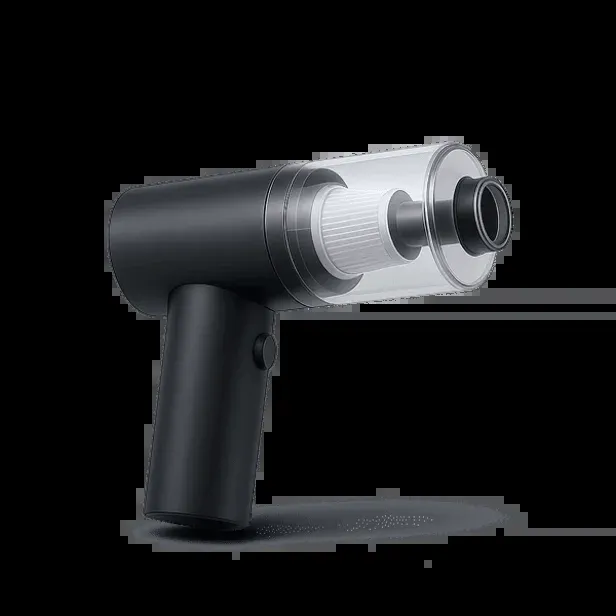
A handheld made for car seats and seams
DustaClean handheld vacuum: cordless, USB-rechargeable, under 1 lb, with HEPA filtration, 2 nozzles and up to 30 minutes per charge. $69.99, or from $49.99 each in bundles.
Check today's price →$69.99, or from $49.99 each in bundles
How do you clean fabric car seats?
- Vacuum thoroughly.
- Spot-test your cleaner on a hidden area.
- Lightly spray upholstery cleaner or a mix of warm water and a few drops of dish soap. Don't soak the seat; foam padding holds water and can grow mildew.
- Scrub gently in circles with a soft brush.
- Blot with a clean microfiber cloth to lift dirt and moisture.
- Wipe with a cloth dampened in plain water to remove soap residue.
- Let dry with doors or windows open, ideally in the sun or with a fan.
How do you clean leather car seats?
- Vacuum with a soft brush nozzle so you don't scratch.
- Apply a leather cleaner to a microfiber cloth (not directly on the seat).
- Wipe one section at a time; use a soft brush for perforated or textured leather.
- Wipe away residue with a clean damp cloth.
- Apply leather conditioner to keep it from drying and cracking.
Avoid all-purpose cleaners, vinegar and harsh chemicals on leather, which can dry or discolor it.
What about vinyl and synthetic leather?
Vinyl is the easiest: vacuum, then wipe with warm soapy water and a microfiber cloth, rinse with a damp cloth and dry. Avoid oils and silicone products that make seats slippery.
How do you remove common stains?
| Stain | What to do (fabric) |
|---|---|
| Coffee | Blot immediately; dab with mild soapy water, then plain water |
| Food grease | Dab with dish soap solution; blot; repeat |
| Mud | Let dry fully, vacuum, then treat any remaining mark |
| Ink | Dab carefully with rubbing alcohol on a cloth after spot-testing |
| Milk or vomit | Remove solids, blot, use an enzyme cleaner, dry thoroughly |
| Gum | Harden with an ice cube in a bag, then pick off |
Always blot, never rub hard, and work from the outside of the stain toward the center.
How do you get rid of car seat odors?
- Clean the source: spilled milk, food or pet accidents.
- Sprinkle baking soda on dry fabric seats, leave for a few hours, then vacuum.
- Air the car out with windows open on a dry day.
- Replace the cabin air filter if the car smells musty when the fan runs.
- Keep a trash bag in the car and empty it often.
How do you remove pet hair from car seats?
Pet hair weaves into fabric. Run a damp rubber glove or a rubber pet hair brush over the seat to pull hair into clumps, then vacuum it up. A seat cover for pets makes the next clean much easier. See how to get rid of pet hair.
How do you clean kids' car seats?
Child car seats collect crumbs and spills in every crevice. Follow the manufacturer's manual: many covers are machine washable, but harness straps usually shouldn't be soaked or washed with harsh chemicals because that can weaken them. Vacuum the shell, wipe it with mild soapy water and reassemble exactly as the manual shows.
How often should you clean car seats?
| Task | How often |
|---|---|
| Quick vacuum | Weekly |
| Spot-clean spills | Immediately |
| Deep clean fabric | Every 3 to 6 months |
| Clean and condition leather | Every 3 months |
For the rest of the car, see how to clean car interior.
Does cleaning car seats help allergies?
Yes. Fabric seats trap dust, pollen and pet dander, and a car's small cabin concentrates them. Weekly vacuuming with a HEPA-filtered handheld helps capture fine particles. The EPA explains how HEPA filters work, and the ACAAI recommends reducing dust exposure for people with allergies.
What mistakes should you avoid?
- Soaking fabric seats, which can cause mildew in the foam.
- Using bleach or ammonia on upholstery.
- Skipping the spot test.
- Rubbing stains, which spreads them.
- Closing the car up while seats are still damp.
How much does DustaClean cost?
DustaClean is $69.99 for one, $59.99 each for two, $54.99 each for three and $49.99 each for four. Returns are accepted within 30 days for unused products in original packaging.
Can you steam clean car seats?
A handheld steam cleaner can refresh fabric seats and loosen stains, but use it lightly so you don't soak the foam. Check your car's manual and the seat label first, and avoid steam on leather, which can dry out or discolor. After steaming, blot with a dry microfiber cloth and leave the windows open until seats are completely dry.
How do you clean sweat and body oil stains?
Headrests and seat backs slowly darken from sweat, hair products and body oils. On fabric, use an upholstery cleaner or a dish soap solution, which breaks down oil, then blot and rinse with a damp cloth. On leather, use a leather cleaner and follow with conditioner. Cleaning headrests every couple of months keeps them from staining permanently.
What about salt stains in winter?
Road salt tracked in on shoes leaves white marks on mats and lower seat edges. Vacuum first, then dab with a cloth dampened in a mix of equal parts warm water and white vinegar on fabric (spot-test first), blot dry and rinse with plain water. Rubber floor mats in winter catch most salt before it reaches the seats.
Any tips for rideshare drivers or busy families?
Seats in cars that carry lots of passengers need more frequent care. Keep a handheld vacuum and microfiber cloths in the trunk, vacuum quickly at the end of each day or week, and deal with spills immediately. Washable seat covers protect the upholstery and can be cleaned in the washing machine.
What's a quick weekly car seat routine?
- Remove trash, toys and loose items.
- Vacuum seats, seams and between seats and console.
- Wipe leather or vinyl with a damp microfiber cloth.
- Spot-treat any new marks.
- Shake out floor mats.
Ten minutes a week keeps seats from ever needing a heavy deep clean.
How do you protect seats after cleaning?
Use seat covers for pets and kids, keep a small trash bag in the car, avoid eating messy food while driving and park in the shade or use a sunshade to keep leather from drying and fabric from fading. Condition leather every few months.
What if car seats smell musty or show mold?
A musty smell or small spots on fabric usually mean moisture got trapped, often from wet clothes, a leak or seats cleaned with too much water. Vacuum, then treat the area with an upholstery cleaner made for mildew, blot and dry the car completely with windows open in the sun. Check door seals, the sunroof drain and floor carpets for leaks, and replace the cabin air filter. If mold covers a large area or returns, a professional detailer can treat it.
When should you pay for professional detailing?
Consider a professional when there are large or set-in stains, strong odors like smoke or spoiled milk, mold, or before selling a car. Detailers use extractors that remove water from deep in the foam. For everyday dirt, though, regular vacuuming and spot-cleaning at home keep seats in good shape for far less.
The bottom line
Clean car seats by vacuuming first, using the right cleaner for the material, scrubbing gently, blotting instead of soaking and letting everything dry with the windows open. Treat spills right away, condition leather and vacuum weekly to keep seats fresh.
For quick weekly car vacuuming, our pick is DustaClean. Check today's DustaClean price.
Sources
- U.S. Environmental Protection Agency. What is a HEPA filter?
- American College of Allergy, Asthma and Immunology. Dust Allergies.
- Official DustaClean product page, checked October 2026.
Frequently asked questions
How do I clean fabric car seats?
Vacuum, spray a little upholstery cleaner, scrub gently, blot and let dry with windows open.
How do I clean leather car seats?
Vacuum with a soft brush, wipe with leather cleaner and apply conditioner.
How do I get coffee out of a car seat?
Blot right away, dab with mild soapy water, then plain water, and blot dry.
How do I remove pet hair from car seats?
Use a damp rubber glove to clump hair, then vacuum.
How often should I clean car seats?
Vacuum weekly and deep clean every 3 to 6 months.
Can I use a household vacuum in the car?
Yes, but a cordless handheld reaches seams and gaps more easily.

Michelle Hert
Michelle looks into the cleaning products that go viral in ads, from toilet foams to mini vacuums and drain cleaners. She reads the product pages, checkout and return policies, trusted safety sources and buyer feedback so you know what a product really does before you buy it. Her reviews are built on manufacturer information, official checkout and return policies, trusted safety sources and buyer feedback, and are updated when offers change. More about Michelle.