
- Strip the bed and wash all bedding in hot water (if the care label allows).
- Vacuum the whole mattress, top, sides and seams, with an upholstery or brush nozzle.
- Spot-clean stains with a mild cleaner, blotting instead of soaking.
- Sprinkle baking soda to absorb odors, leave it for a few hours, then vacuum it up.
- Let the mattress air out and dry completely before making the bed.
We spend about a third of our lives in bed, yet the mattress is one of the least-cleaned items in most homes. Over time, it collects dust, dead skin cells, sweat, body oils, pet hair and, in many homes, dust mites, which feed on skin flakes and are a common allergy trigger. Spills and accidents add stains and odors.
You don't need special equipment to clean a mattress well. This guide covers a full deep-clean step by step, how to treat common stains, how to deodorize, how often to do it and how to keep a mattress fresh between cleanings.
Why should you clean your mattress?
- Allergies and asthma: dust mites and their waste are common allergens that collect in bedding and mattresses. The American College of Allergy, Asthma and Immunology lists dust mites among the main triggers of dust allergy.
- Freshness: sweat and body oils build up and can cause musty smells.
- Stains: treated early, most come out; left alone, they set.
- Mattress life: regular care helps a mattress stay in good condition longer.
What do you need to clean a mattress?
- A vacuum with an upholstery or brush nozzle and a crevice tool. A handheld vacuum is easiest.
- Baking soda.
- A mild liquid dish soap or upholstery cleaner.
- Clean white cloths or microfiber towels.
- A spray bottle with cool water.
- An enzyme cleaner for organic stains (sweat, urine, blood).
- A washable mattress protector for afterward.
How do you deep-clean a mattress step by step?
- Strip the bed. Wash sheets, pillowcases, mattress pad and duvet cover in the hottest water the care labels allow, and dry thoroughly.
- Vacuum the entire mattress. Start at the top and work in overlapping rows. Go slowly: it gives the vacuum time to lift dust from the fabric. Use the crevice tool along seams, tufts, piping and edges, where dust collects most.
- Vacuum the sides and, if you can, flip or rotate the mattress and vacuum the other side (check the manufacturer's guidance; many modern mattresses are one-sided).
- Spot-treat stains (see below).
- Deodorize with a generous, even layer of baking soda. Leave it for at least a few hours, ideally all day, with the window open or sunlight on the mattress if possible.
- Vacuum again to remove all the baking soda.
- Let it dry and air out completely before putting on a protector and clean bedding.
Why is vacuuming the most important step?
Most of what's in a mattress is dry: dust, skin flakes, hair and mite debris. Vacuuming removes it physically, which is why it matters more than any spray. Use slow, overlapping passes, and pay special attention to seams and edges. A vacuum with a HEPA filter helps keep fine particles from being blown back into the bedroom. The EPA explains that HEPA filters are designed to capture very small particles.
A full-size vacuum works, but hauling it into the bedroom and onto the bed is awkward. A cordless handheld vacuum is much easier, and that means you'll actually do it more often. DustaClean is our pick: according to the brand, it weighs under a pound, has about 3,500 Pa of suction for its size, a washable HEPA filter, a brush nozzle for fabric and a slim nozzle for seams, and runs up to 30 minutes per charge. That's enough to vacuum a mattress every time you change the sheets. Read our DustaClean review.

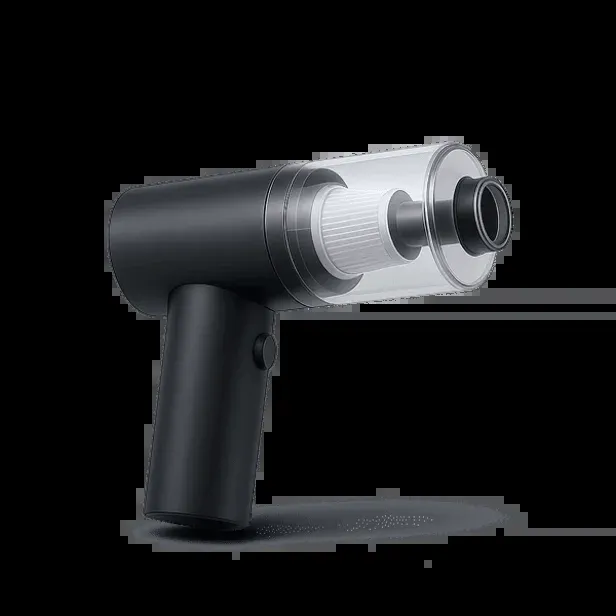
Vacuum your mattress every time you change the sheets
DustaClean cordless handheld vacuum: under 1 lb, about 3,500 Pa suction, washable HEPA filter, brush and slim nozzles. $69.99, or from $49.99 each in bundles.
Check today's price →$69.99, or from $49.99 each in bundles
How do you remove common mattress stains?
Always blot, don't rub, and use as little liquid as possible: a soaked mattress can take a long time to dry and may develop mold or mildew. Test any cleaner on a hidden area first.
| Stain | What to try |
|---|---|
| Sweat and yellowing | Enzyme cleaner or a little dish soap in water; blot; let dry |
| Urine | Blot up as much as possible; enzyme cleaner; baking soda once dry |
| Blood | Cold water only (heat sets it); blot; enzyme cleaner if needed |
| Food and drink | Mild dish soap solution; blot; rinse with a damp cloth |
| Odors | Baking soda left for several hours, then vacuum |
Never mix cleaning products. Health Canada warns that mixing bleach with other cleaners can release toxic gases, and bleach can damage mattress fabric anyway.
Is cleaning a memory foam mattress different?
Memory foam absorbs liquid easily and dries slowly, so use even less moisture. Vacuum, spot-clean with a barely damp cloth and mild soap, and deodorize with baking soda. Never soak foam or put it in direct heat. Check the manufacturer's care instructions, since some warranties are affected by improper cleaning.
How long does a mattress take to dry?
Lightly spot-cleaned areas usually dry in a few hours. Open windows, use a fan, or let sunlight in to speed things up. Make sure the mattress is completely dry before you put sheets back on, since trapped moisture encourages mildew and odors.
How often should you clean a mattress?
- Vacuum: every time you change the sheets, or at least monthly.
- Deep clean with baking soda: every 3 to 6 months.
- Spot clean: as soon as a spill or accident happens.
- Rotate: every few months if the manufacturer recommends it, to even out wear.
- Wash bedding: weekly; mattress protector every month or two.
Does cleaning a mattress get rid of dust mites?
Vacuuming removes mite debris and some mites, and washing bedding hot helps a lot, but mites live deep in fabric. Allergy specialists recommend allergen-proof encasements for mattresses and pillows, washing bedding weekly in hot water and keeping indoor humidity down. ACAAI suggests keeping indoor humidity below 55%. See our full guide on how to get rid of dust mites.
How do you keep a mattress clean longer?
- Use a washable, waterproof mattress protector. This is the single best investment for mattress hygiene.
- Wash bedding weekly.
- Shower before bed to reduce oils and sweat.
- Don't eat in bed.
- Keep pets off the bed, or use a washable cover on top.
- Air out the bed in the morning before making it, so moisture can escape.
- Vacuum regularly with a HEPA-filter vacuum.
What mattress cleaning mistakes should you avoid?
The most common mistake is using too much liquid. Pouring cleaner straight onto a stain or scrubbing with a soaking-wet sponge pushes moisture deep into the padding, where it dries slowly and can leave a bigger water ring or a musty smell. Spray lightly onto a cloth instead, and blot. The second mistake is using heat on protein stains like blood or sweat: hot water and hair dryers can set them. Use cool water and let the mattress dry at room temperature with good airflow.
Other mistakes include using harsh household cleaners that aren't meant for fabric, which can bleach or weaken the cover; skipping the seams and edges when vacuuming, where most dust collects; and making the bed while the mattress is still damp. Finally, don't forget the bed frame and the area under the bed: dust and hair there end up back on the mattress quickly. Give them a quick vacuum whenever you clean the mattress, and the whole bedroom will stay fresher for longer.
Does sunlight help freshen a mattress?
Airing a mattress helps it dry and lets odors escape, and many people like to let sunlight fall on it through an open window for a few hours on a dry day. It's a simple, free way to freshen the bed after a deep clean. Just don't leave a memory foam mattress in strong, direct heat, and bring anything outdoors back inside before evening dew. Even without sun, opening the windows and running a fan does much of the same job.
What about kids' and guest mattresses?
Children's mattresses see more accidents and spills, so a waterproof protector is essential. Clean spills immediately with blotting and an enzyme cleaner. Guest beds collect dust when they sit unused; vacuum them before visitors arrive and air them out. For bunk beds and crib mattresses, follow the manufacturer's instructions closely.
What if your pet sleeps on the bed?
Pet hair and dander work their way into mattress fabric, especially around the edges. Use a washable throw on top of the bedding, wash it weekly, and vacuum the mattress more often, ideally every time you change the sheets. Our guide on how to get rid of pet hair has more tips.
When should you replace a mattress?
Cleaning can't fix sagging, lumps, broken springs or persistent odors and stains. Many mattresses last somewhere around 7 to 10 years, depending on quality and use. If you wake up stiff, sleep better in other beds, or notice worsening allergies, it may be time for a new one.
What does a simple bedroom cleaning routine look like?
Weekly: wash bedding and vacuum the mattress top when you change the sheets. Monthly: wash the protector, vacuum under the bed and dust surfaces. Every few months: deep-clean and deodorize the mattress. This routine keeps your bed fresher and reduces the dust in the whole room. See also our guide on how to reduce dust in your house.
Related guides: how to clean a couch and a weekly cleaning schedule.
The bottom line
Cleaning a mattress comes down to vacuuming thoroughly, spot-treating stains with minimal moisture, deodorizing with baking soda and letting it dry completely. Protect it with a washable cover, wash bedding weekly and vacuum it every time you change the sheets, and your mattress will stay fresher, cleaner and more comfortable.
For quick, regular mattress vacuuming, our pick is DustaClean. Check today's DustaClean price.
Sources
- American College of Allergy, Asthma and Immunology. Dust Allergies.
- U.S. Environmental Protection Agency. What Is a HEPA Filter?
- Health Canada. Never Mix Bleach With Other Cleaning Products.
Frequently asked questions
How do you deep clean a mattress?
Strip and wash the bedding, vacuum the whole mattress including seams, spot-clean stains by blotting, sprinkle baking soda for a few hours, vacuum again and let it dry completely.
How often should you clean your mattress?
Vacuum it every time you change the sheets or at least monthly, deep-clean and deodorize every 3 to 6 months, and spot-clean spills right away.
Does baking soda clean a mattress?
Baking soda absorbs odors and some moisture. Sprinkle it evenly, leave it several hours, then vacuum it up. It doesn't remove set-in stains on its own.
How do you get urine out of a mattress?
Blot up as much as possible, apply an enzyme cleaner, blot again, let it dry and finish with baking soda to remove the odor.
Can you vacuum dust mites out of a mattress?
Vacuuming removes mite debris and some mites. Allergen-proof encasements, hot-washing bedding weekly and lower humidity help most.
What vacuum is best for a mattress?
A vacuum with a brush or upholstery nozzle and a HEPA filter. A light cordless handheld like DustaClean makes it easy to do regularly.

Michelle Hert
Michelle looks into the cleaning products that go viral in ads, from toilet foams to mini vacuums and drain cleaners. She reads the product pages, checkout and return policies, trusted safety sources and buyer feedback so you know what a product really does before you buy it. Her reviews are built on manufacturer information, official checkout and return policies, trusted safety sources and buyer feedback, and are updated when offers change. More about Michelle.