
- Start mechanical: plunger, plastic hair tool, cleaning the P-trap or a drain snake.
- Use products labeled septic-safe and follow the dose on the label.
- Avoid repeated harsh caustic or acid drain cleaners, especially in large amounts.
- Never mix drain products with each other or with bleach.
- Treat drains monthly to prevent clogs instead of fighting them.
- Multiple drains backing up can mean a full tank; call a septic pro.
If your home is on a septic system, a clogged drain raises an extra question: will the drain cleaner hurt the tank? Septic systems rely on bacteria to break down waste, and large or repeated doses of harsh chemicals can upset that balance. That doesn't mean you can't clear a clog. It means starting with the right methods, using products in sensible amounts and knowing when a slow drain is really a septic problem. This guide explains how septic tanks handle drain products, which methods to try first, what to avoid and how to keep drains clear without stressing your system.
How does a septic system handle drain cleaners?
Everything you pour down a drain ends up in the septic tank. The tank is large, so small amounts of household products are diluted. The problem is big doses or repeated use of harsh caustic (lye) or acid cleaners, which can reduce the bacteria that digest waste. The EPA advises against pouring harsh chemicals down drains and recommends regular inspection and pumping.
What should you try first?
- Remove hair from the drain with a plastic hair tool. Most bathroom clogs are hair.
- Plunge with a sink plunger (flat) or toilet plunger (flanged).
- Clean the P-trap under the sink with a bucket underneath. See how to clean a P-trap.
- Use a drain snake for deeper clogs.
- Treat the pipe walls with a foaming cleaner to remove film.
Mechanical methods don't add anything to the tank, so they're always septic-friendly.
Which drain methods work with septic systems?
| Method | Septic use | Notes |
|---|---|---|
| Plunger | Safe | First step for most clogs |
| Hair tool or drain snake | Safe | Removes clogs without chemicals |
| Cleaning the P-trap | Safe | Throw debris in the trash |
| Baking soda and vinegar | Generally fine | Mild; good for freshening |
| Enzyme or bacterial cleaners | Often labeled septic-safe | Slow; best for maintenance |
| Foaming drain cleaners | Check the label | Good for film and buildup |
| Harsh caustic or acid cleaners | Avoid repeated or large use | Dangerous to skin and eyes |
Where does SavingStars fit?
SavingStars is a foaming drain cleaner made for hair, grease and soap scum: pour it in, add hot water, wait 20 minutes and flush with hot water. The foam coats the pipe walls where film builds up and catches hair. It's easy to use as a monthly treatment after you've removed the main clog mechanically. As with any drain product in a septic home, read the label and use the recommended amount. Read our SavingStars review.
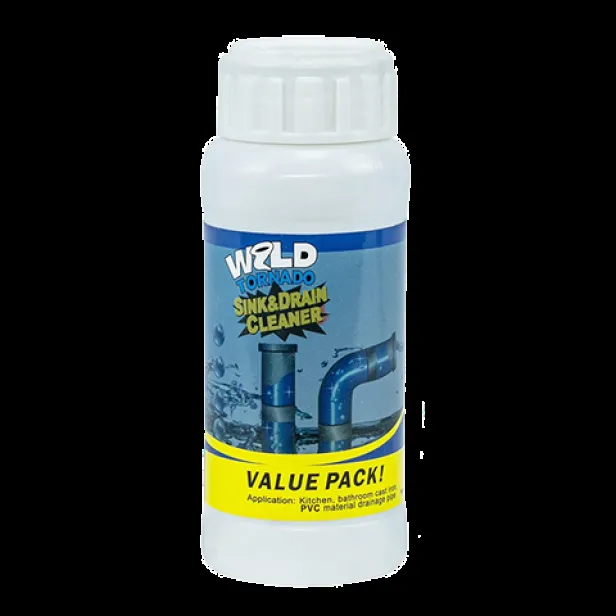
Monthly drain care, simple and quick
SavingStars foaming drain cleaner for hair, grease and soap scum: pour, add hot water, wait 20 minutes, flush. $12.99, or from $6.99 each in bundles.
Check today's price →$12.99, or from $6.99 each in bundles
Why avoid harsh chemical drain cleaners?
Beyond septic concerns, harsh caustic and acid cleaners are dangerous to handle. They can burn skin and eyes, splash back when you plunge and release fumes. Poison Control explains the hazards. Never mix drain cleaners with each other or with bleach, and never plunge a drain that has chemical cleaner in it. See is drain cleaner safe for pipes? and Drano alternatives.
Do enzyme cleaners work?
Enzyme and bacterial drain cleaners digest organic material slowly. They're better for maintenance than for clearing a full clog, since they can take hours or overnight to work. Many are labeled septic-safe. Use them when water isn't running, such as overnight.
Is baking soda and vinegar safe for septic?
Yes, in normal amounts. The fizz is mild and good for freshening drains and loosening light film, but it won't dissolve a hair clog. See baking soda and vinegar for drains and natural drain cleaner.
How do you know it's a septic problem, not a clog?
- Several drains are slow at once, especially the lowest drains in the house.
- Toilets gurgle or drain slowly.
- Sewage smell indoors or near the tank or drain field.
- Wet, soggy ground or bright green grass over the drain field.
- Sewage backing up into tubs or floor drains.
If you see these signs, stop using drain cleaners, limit water use and call a septic professional. A full tank or failing drain field won't be fixed by drain products.
How do you prevent clogs with a septic system?
- Use strainers in sinks and showers.
- Keep grease out of the kitchen sink.
- Limit the garbage disposal; it adds solids to the tank.
- Flush only toilet paper and waste.
- Treat drains monthly with a gentle method.
- Spread laundry across the week.
See how to prevent clogged drains and toilet cleaning for septic systems.
What about kitchen sink clogs?
Kitchen clogs are usually grease and food. Plunge, clean the trap and then treat the pipe. Avoid pouring hot grease down the drain; it hardens in the pipe and adds fat to the tank. See how to unclog a kitchen sink and how to unclog a drain after Thanksgiving.
What about bathroom clogs?
Bathroom clogs are mostly hair and soap scum. Pull out hair, clean the stopper and treat the pipe. See how to clean a bathroom sink stopper and hair clog in the drain.
How often should the tank be pumped?
Most households need pumping every few years, depending on tank size and how many people live in the house. Regular inspection can catch problems early. Keep a record of pump-outs and inspections.
What's a septic-friendly drain routine?
| When | Task |
|---|---|
| Daily | Use strainers; keep grease out |
| Weekly | Pull hair from shower and sink drains |
| Monthly | Treat drains with a gentle method |
| Every few years | Septic inspection and pumping |
How much does SavingStars cost?
SavingStars is $12.99 for one, $8.99 each for three, $7.85 each for five and $6.99 each for seven. Returns are accepted within 30 days for unused products in original packaging; defective items can be replaced or refunded.
How do you clear a shower drain on septic?
Shower clogs are almost always hair bound together with soap scum and conditioner. Remove the drain cover (some lift out, others have a center screw), pull the hair out with a plastic hair tool or a bent wire, and rinse with hot water. If water still drains slowly, plunge with the overflow covered in a tub, or use a small drain snake. Finish with a foaming treatment to clear the film so hair doesn't catch again right away. A drain hair catcher costs a few dollars and stops most future shower clogs. See how to unclog a shower drain.
What about a clogged toilet on septic?
Use a flanged toilet plunger with steady, firm strokes; it's the safest method for any system. If plunging doesn't work, a toilet auger reaches into the trapway without scratching the bowl. Avoid pouring drain cleaners into a toilet; most aren't made for toilets, and a clogged bowl full of chemical water is hazardous if you then need to plunge. If the toilet clogs often and other drains are slow too, think septic first: a full tank or a blocked outlet baffle can cause repeat toilet backups.
Can laundry cause septic drain problems?
Yes. Washing machines send a lot of water quickly, plus lint and detergent. Many loads in one day can push solids from the tank toward the drain field. A lint filter on the washer drain hose catches fibers, especially synthetic ones, before they reach the tank. Spread laundry across the week, use the recommended detergent dose and run full loads rather than many small ones.
Do water softeners affect septic systems?
Water softeners periodically flush salty backwash water. Opinions differ on how much that affects septic systems, and local rules vary. If you have both, ask your septic professional whether the backwash should go to the tank or elsewhere, and make sure the softener is set to regenerate only as often as needed.
What if you just moved to a home with septic?
Ask the previous owner or the county for records of the last pumping and inspection, find the tank location and the lids and schedule an inspection if there's no recent record. Learn which drains go to the tank and where the drain field is, so you don't park or build over it. Then set up a simple routine: strainers, no grease, toilet paper only and monthly drain care.
Should you use a garbage disposal with septic?
A disposal adds food solids to the tank, which can mean more frequent pumping. Many septic owners limit disposal use or compost food scraps instead. If you do use one, run only small amounts of soft food with plenty of cold water, and never grease, peels, coffee grounds or eggshells. See garbage disposal smell.
The bottom line
With a septic system, clear clogs mechanically first, use products labeled for septic use in normal amounts, avoid repeated harsh chemicals and treat drains monthly to prevent clogs. Several slow drains at once is a sign to call a septic pro.
For simple monthly drain care, our pick is SavingStars. Check today's SavingStars price.
Sources
- U.S. Environmental Protection Agency. How to Care for Your Septic System.
- Poison Control. What's in Drain Cleaner?
- Official SavingStars product page, checked October 2026.
Frequently asked questions
Is drain cleaner safe for septic systems?
Products labeled septic-safe in normal amounts are generally fine; avoid repeated harsh chemicals.
What is the best way to unclog a drain with a septic system?
Start mechanical: plunger, hair tool, P-trap cleaning or a drain snake.
Is baking soda and vinegar safe for septic tanks?
Yes, in normal amounts; it's mild and good for freshening.
Do enzyme drain cleaners work?
They work slowly and are best for maintenance, not full clogs.
How do I know if my septic tank is full?
Several slow drains, gurgling toilets, sewage smells or soggy ground over the drain field.
Can I use a garbage disposal with septic?
Limit it; disposals add food solids that fill the tank faster.

Michelle Hert
Michelle looks into the cleaning products that go viral in ads, from toilet foams to mini vacuums and drain cleaners. She reads the product pages, checkout and return policies, trusted safety sources and buyer feedback so you know what a product really does before you buy it. Her reviews are built on manufacturer information, official checkout and return policies, trusted safety sources and buyer feedback, and are updated when offers change. More about Michelle.