- Remove hair physically with a plastic drain snake.
- Use a plunger.
- Try a cleaner designed for hair, grease and soap scum, like the foaming SavingStars powder.
It's one of the most shared cleaning hacks online: pour baking soda down the drain, follow it with vinegar, watch it foam, wait, then flush with hot water. It's cheap, it feels natural, and the fizzing is satisfying to watch. But does it actually unclog drains?
This guide explains the chemistry in plain language, what the method can and can't do, when it's worth trying, and what works better for the clogs most homes actually have.
What happens when you mix baking soda and vinegar?
Baking soda (sodium bicarbonate) is a mild base. Household vinegar is a dilute acid (about 5% acetic acid). When they meet, they react: the acid and base neutralize each other, producing carbon dioxide gas (the bubbles), water and sodium acetate, a mild salt. The reaction is fast. Most of the fizzing happens within a minute or two, and what's left is mostly salty water.
That's the key point: once they've reacted, you no longer have much acid or much base. The mixture isn't strong enough to dissolve hair, which is made of tough protein, or to break down a thick grease plug. The bubbles create some agitation, but nowhere near the force needed to push through a solid clog.
What can baking soda and vinegar actually do?
- Freshen a smelly drain slightly.
- Loosen a thin film of soap scum or residue near the drain opening.
- Act as gentle maintenance on a drain that is already flowing well.
- Help with odor, since baking soda absorbs some smells.
Used separately, each one has some use: a vinegar soak can loosen mineral deposits on a stopper or faucet, and baking soda is a gentle scrub for sinks.
What can't baking soda and vinegar do?
- Dissolve hair clogs in showers and bathroom sinks.
- Break down solid grease in kitchen drains.
- Clear a full blockage where water is standing.
- Remove objects stuck in the pipe.
- Fix problems deeper in the plumbing or main line.
If water is standing in the sink or tub, baking soda and vinegar will just sit on top of it, diluted, and do very little.
How does it compare with other methods?
| Method | Hair clogs | Grease buildup | Full blockage |
|---|---|---|---|
| Baking soda + vinegar | Poor | Poor | Poor |
| Boiling or very hot water | Poor | Fair (fresh grease only) | Poor |
| Plastic drain snake | Very good | Fair | Good if near the top |
| Plunger | Good | Good | Good |
| Foaming drain cleaner for hair and grease | Good | Good | Fair (clear standing water first) |
| Hand auger | Very good | Good | Very good |
What works better for common clogs?
Most household clogs fall into two types: hair and soap scum in bathrooms, and grease and food in kitchens. For both, the best approach is to remove what you can physically, then break down the rest with a product designed for it.
- Remove the stopper or cover and pull out hair with gloves or a plastic drain snake.
- Remove standing water if you can.
- Use a foaming drain cleaner made for hair, grease and soap scum.
- Plunge if needed, after flushing the cleaner away with water.
- Call a plumber if it still won't clear.
What is a better alternative that still avoids harsh chemicals?
Many people choose baking soda and vinegar because they want to avoid the harsh, corrosive drain cleaners with scary warning labels. That's a reasonable concern. Poison Control warns that many drain cleaners contain corrosive chemicals that can cause serious burns.
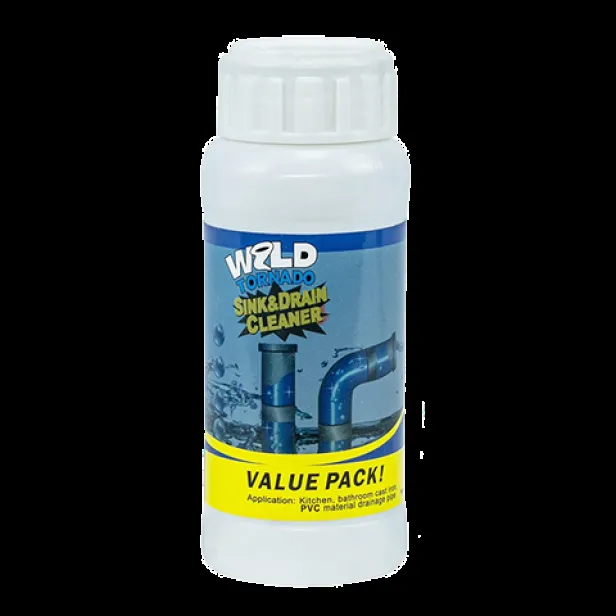
SavingStars is a middle ground. It's a foaming drain cleaner powder designed for the clogs homes actually have: hair, grease, soap scum and food buildup. According to the brand, you pour the powder into the drain, add about 1 liter (roughly 4 cups) of hot water, wait 20 minutes and flush. The foam expands through the pipe to break down buildup. The brand says it's non-corrosive and safe for PVC, metal pipes and septic systems. Read our SavingStars review, where we rate it 4.4/5.

A real fix for slow drains, without harsh chemicals
SavingStars foaming drain cleaner for hair, grease and soap scum: pour, add hot water, wait 20 minutes, flush. $12.99, or from $6.99 each in bundles.
Check today's price →$12.99, or from $6.99 each in bundles
What happens if you try it on a real clog?
Picture a typical slow shower drain: a clump of hair a few inches down, coated in soap scum. You pour in half a cup of baking soda, which mostly settles on top of the clump or gets stuck in the drain cover. Then a cup of vinegar goes in, the foam rises dramatically, and within a minute or two the fizzing stops. After the recommended wait, you pour in hot water. If the drain was only slightly slow, it may run a little better for a day or two, because the hot water rinsed away some loose residue. But the hair is still there, and within a week the drain is as slow as before.
Now picture the same drain after you remove the cover and pull the clump out with a plastic snake: the water runs freely immediately. That's the difference between a reaction that looks busy and a method that removes the cause. In a kitchen sink lined with old grease, it's a similar story: the fizz doesn't reach far enough or last long enough to break down the film coating the pipe. A product designed to break down grease, given 20 minutes of contact time with hot water, works on the actual cause.
That's why plumbers rarely recommend baking soda and vinegar for clogs, even though they don't mind it as a gentle freshener.
Is it safe to mix baking soda and vinegar with other cleaners?
Don't. Using baking soda and vinegar and then a commercial drain cleaner, or the other way around, can cause unpredictable reactions and splashing. In particular, never let vinegar or any acid meet bleach: Health Canada warns that mixing bleach with acids can release toxic chlorine gas. Use one method at a time, and flush thoroughly with water before switching.
When is baking soda and vinegar worth trying?
As a low-cost freshener for a drain that's flowing fine but smells a bit, or as an occasional gentle maintenance step in a drain that rarely clogs. If you enjoy it, there's no harm in using it that way. Just don't rely on it for a real clog, and don't let it delay a proper fix while the problem gets worse. A slow drain is a warning sign, and the sooner you remove the buildup, the less likely you are to end up with standing water and a call to the plumber.
Why does the myth persist?
Because it looks like it works. The dramatic fizzing feels powerful, and if a drain was only slightly slow, flushing it with a kettle of hot water afterward may move things along a little, so people credit the fizz. Videos online add to the impression. But when the clog is real, such as a shower full of hair, a kitchen pipe lined with grease or a bathroom sink with a plug around the stopper, the results usually disappoint. The ingredients are better used separately, for the jobs they're actually good at.
How can you use baking soda and vinegar separately?
- Vinegar soak: soak a scaly showerhead, faucet aerator or sink stopper in white vinegar for an hour to loosen mineral deposits, then rinse.
- Baking soda paste: a gentle scrub for sinks, tubs and grout (test on delicate surfaces first).
- Baking soda deodorizer: sprinkle in the fridge, trash can or on carpets before vacuuming.
- Vinegar rinse: diluted, to cut soap film on some surfaces. Not on natural stone, which acid can etch.
How do you prevent clogs in the first place?
- Use hair catchers in showers and bathroom sinks, and empty them often.
- Keep grease out of the kitchen drain: wipe pans and put cooled grease in the trash.
- Scrape plates into the trash or compost before rinsing.
- Run hot water for 30 seconds after using sinks, especially after washing greasy dishes.
- Treat drains monthly with a foaming cleaner if they tend to slow down.
Our full guide on how to prevent clogged drains covers every room, and our guide to a natural drain cleaner looks at other gentle options.
What should you do for each type of drain?
For a shower or tub, pull the hair out first; see how to unclog a shower drain. For a bathroom sink, clean the pop-up stopper; see how to unclog a bathroom sink. For the kitchen sink, deal with the grease film and the disposal; see why a kitchen sink smells. In each case, a monthly foaming treatment helps keep the drain clear once it's flowing again.
When should you call a plumber?
If several drains are slow at once, water backs up into the tub or shower when you flush the toilet, you smell sewage, or a clog returns quickly after clearing, the problem may be further down the plumbing. A plumber has the tools to find and fix main line and venting issues safely.
The bottom line
Baking soda and vinegar make an impressive fizz, but they mostly neutralize each other and rarely clear real clogs of hair, soap scum or grease. Use them, separately, for freshening and light cleaning. For actual clogs, remove hair physically, plunge if needed and use a cleaner designed for the job.
Our pick for a non-corrosive foaming drain cleaner is SavingStars. Check today's SavingStars price.
Sources
- Poison Control. What's in Drain Cleaner?
- Health Canada. Never Mix Bleach With Other Cleaning Products.
- Official SavingStars product page, checked October 2026.
Frequently asked questions
Does baking soda and vinegar unclog a drain?
Rarely. They react and mostly neutralize each other, producing bubbles, water and a mild salt. They can freshen a drain but usually don't clear hair or grease clogs.
Why doesn't baking soda and vinegar work on clogs?
Once they react, little acid or base is left, and the fizz has little force. It can't dissolve hair protein or break down a thick grease plug.
What works better than baking soda and vinegar?
Removing hair with a plastic drain snake, using a plunger and using a cleaner designed for hair, grease and soap scum, such as the foaming SavingStars powder.
Can I use vinegar after a drain cleaner?
Don't mix methods. Flush thoroughly with water before switching, and never let vinegar or any acid meet bleach, which can release toxic gas.
Is baking soda and vinegar good for drain maintenance?
As a gentle freshener for drains that already flow well, it's harmless. It isn't a reliable clog remover.
What can I use baking soda and vinegar for instead?
Vinegar soaks loosen mineral deposits on showerheads and stoppers; baking soda works as a gentle scrub and deodorizer.

Michelle Hert
Michelle looks into the cleaning products that go viral in ads, from toilet foams to mini vacuums and drain cleaners. She reads the product pages, checkout and return policies, trusted safety sources and buyer feedback so you know what a product really does before you buy it. Her reviews are built on manufacturer information, official checkout and return policies, trusted safety sources and buyer feedback, and are updated when offers change. More about Michelle.