"Natural drain cleaner" is searched thousands of times a month in the US. People want to clear slow drains without the harsh chemicals and scary warning labels of traditional drain openers, and without paying a plumber.
In this guide we look honestly at the popular natural remedies, explain why clogs form, compare your options from DIY to foaming cleaners, and share the prevention habits that keep drains flowing.
General information. Always follow product labels, and call a licensed plumber for sewage backups or broken pipes.
What causes most household drain clogs?
- Bathroom sinks, showers and tubs: hair tangled with soap scum, toothpaste and skin oils.
- Kitchen sinks: grease and oil that cool and harden, mixed with food bits and coffee grounds.
- All drains: mineral scale from hard water that narrows pipes over time.
Most clogs build slowly. The drain gets a little slower each week until one day the water stops moving. That's good news, because it means regular maintenance can prevent most clogs.
Does baking soda and vinegar unclog drains?
It's the most famous natural remedy, and the fizz looks impressive. But the reaction happens mostly at the top of the drain and is over quickly, and the result is largely salty water. It can help freshen a drain and loosen very light buildup, but it rarely breaks through a real clog of hair and soap scum.
If you try it, follow with plenty of hot tap water. Don't use it right before or after a commercial drain cleaner, since mixing products can cause dangerous reactions.
Does boiling water clear drains?
Hot water helps melt soap and grease, which makes it useful for kitchen sinks. But boiling water can soften or damage PVC pipe joints and crack porcelain sinks and toilets. Very hot tap water is the safer choice, or hot water as part of a cleaner's directions.
How do natural remedies compare with other drain cleaners?
| Method | Works on | Safety | Verdict |
|---|---|---|---|
| Baking soda and vinegar | Odors, very light buildup | Safe | Weak on real clogs |
| Hot water | Grease and soap | Safe if not boiling in PVC | Good helper |
| Plastic drain snake | Hair near the drain opening | Safe | Great first step |
| Plunger | Soft clogs in sinks and tubs | Safe (not after chemicals) | Often works |
| Enzyme cleaners | Organic buildup, slow drains | Gentle | Slow, good maintenance |
| Non-corrosive foaming cleaner (SavingStars) | Hair, grease, soap scum inside the pipe | Non-corrosive, pipe- and septic-safe per brand | Best everyday choice |
| Lye or acid drain openers | Tough clogs | Can cause severe burns; strict precautions | Last resort |
Why are traditional drain openers risky?
According to Poison Control, drain cleaners contain strong chemicals that break down oily and greasy residue, and swallowing them can cause severe burns to the mouth, throat and stomach. Poison Control recommends wearing goggles and rubber gloves and keeping containers tightly closed and out of children's reach. Splashes can burn skin and eyes, and some products can be hard on older pipes.
That's why many people look for gentler options that still actually work.
Why are foaming drain cleaners a good middle ground?
The problem with most "natural" remedies is reach: they don't stay in the pipe long enough to break down a clog. A foaming cleaner expands into the pipe and stays in contact with the buildup while it works.
Our pick is SavingStars Drain Cleaner. According to SavingStars, it:
- Targets hair, grease, soap scum and food buildup.
- Activates with hot water and works in about 20 minutes.
- Is non-corrosive and safe for PVC, stainless steel and metal pipes and septic systems.
- Eliminates musty drain odors.
It costs $12.99, or as little as $6.99 each in bundles, with a 30-day refund guarantee. Read the full SavingStars review.
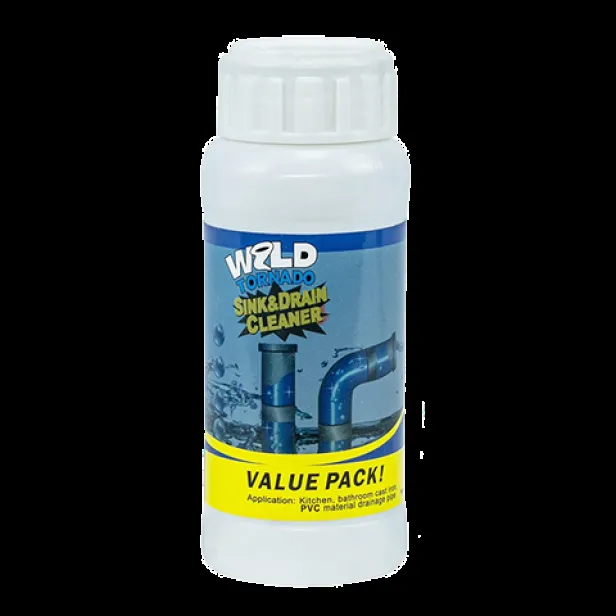
Our pick: the SavingStars Drain Cleaner
Foaming drain cleaner powder for hair, grease and soap scum. Pour, add hot water, wait 20 minutes, flush.
Check today's price →$12.99, or from $6.99 each in bundles

How do you unclog a slow drain step by step?
- Remove the stopper or drain cover and pull out any visible hair with a gloved hand.
- Use a cheap plastic drain snake to pull hair from just below the opening.
- Run hot tap water to see if it flows.
- If it's still slow, use a foaming cleaner like SavingStars as directed: powder, about 1 liter of hot water, wait 20 minutes, flush with hot water.
- Repeat once for very old buildup.
- Call a plumber if nothing changes, several drains are slow or water backs up elsewhere.
Which drain cleaning safety rules matter?
- Never mix drain products, or mix them with bleach. Health Canada warns that mixing cleaners can release toxic gases.
- Wear gloves and eye protection.
- Don't plunge right after using a chemical cleaner, to avoid splashes.
- Ventilate the room.
- Store products high up, closed and in their original containers.
How do you prevent drain clogs?
- Hair catchers in every shower and tub drain.
- No grease or oil down the sink. Let it cool and throw it in the trash.
- Scrape plates into the trash before rinsing.
- No coffee grounds, eggshells or rice down the sink.
- Run hot water for a few seconds after each use.
- Monthly maintenance with a foaming cleaner on drains that clog often.
What if your drain smells?
A musty or sour smell usually comes from buildup inside the pipe, where bacteria feed on hair, soap and food. Cleaning the pipe usually fixes it. SavingStars says it eliminates odor-causing bacteria, and buyers mention musty smells disappearing after a treatment. A strong sewage smell, especially from several drains, can mean a venting or sewer problem and is worth a plumber's visit.
Smells from the toilet are a different issue; see how to clean a toilet the easy way and our FizzClean review.
How does hard water affect drains?
If you have hard water, mineral scale slowly narrows your pipes and makes clogs more likely. You'll often see the same scale in your toilet; our guide how to remove hard water stains in a toilet explains why.
What does a simple monthly drain routine look like?
- Clean hair catchers in all showers and tubs.
- Treat the slowest drain with SavingStars.
- Rotate through the other drains each month.
- Run hot water through rarely used drains so traps don't dry out.
While you're cleaning, a mini vacuum makes quick work of hair and dust on bathroom floors; see our DustaClean review.
Are enzyme drain cleaners worth it?
Enzyme and bacteria-based cleaners digest organic material slowly, usually overnight or over several treatments. They're gentle and great for maintenance and odors, but they're slow on a drain that's already badly clogged. Many people use a foaming cleaner to clear a slow drain, then enzymes or monthly treatments to keep it clear.
Kitchen sink vs bathroom drain: what's different?
Kitchen clogs are mostly grease, oil and food, so hot water and a cleaner that tackles grease help most. Bathroom clogs are mostly hair and soap scum, so removing hair mechanically and using a foaming cleaner that reaches into the pipe works best. Garbage disposals need their own care: run cold water while using them, avoid fibrous foods and starchy scraps, and never pour grease down them.
What if you have a septic system?
Septic systems rely on bacteria to break down waste, so harsh chemicals can be a concern. Choose products labeled septic-safe, avoid pouring grease and chemicals down drains, and follow your septic service's maintenance schedule. SavingStars says its formula is safe for septic systems.
Which drain myths can you ignore?
- "Coffee grounds clean pipes." They actually clump and contribute to clogs.
- "Hot water and dish soap dissolve all grease." They help, but grease can still harden further down the pipe.
- "More drain cleaner works faster." Follow the label; more isn't better, and it can be unsafe.
- "If water drains, the pipe is clean." Slow buildup is invisible until it causes a clog.
Slow drain or completely blocked?
A slow drain still lets water through, so cleaners can reach and dissolve the buildup. A completely blocked drain with standing water is harder: remove as much water as you can first, pull out what you can reach, then treat. If water doesn't move at all after one treatment, or several drains back up together, call a plumber.
How do you keep a shower drain clear?
Shower drains clog mostly from hair. A simple hair catcher stops most of it. Once a week, clear the catcher; once a month, treat the drain with a foaming cleaner to remove soap scum before it builds up. If you have long hair, brushing it before showering also keeps loose hair out of the drain.
For bathroom sinks, pop out the stopper every few weeks and rinse off the hair and soap that collect on it. It takes a minute and prevents most bathroom sink clogs before they start.
The bottom line
Natural remedies like baking soda and vinegar are fine for freshening a drain, but they rarely clear a real clog. The most effective gentle approach is to remove hair by hand or with a plastic snake, then use a non-corrosive foaming cleaner that reaches into the pipe, and keep drains clear with hair catchers and monthly maintenance.
Our pick is SavingStars Drain Cleaner: pipe-friendly foam for hair, grease and soap scum, from $6.99 each in bundles. Check today's SavingStars price.
Sources
- Poison Control. What's in drain cleaner and what happens if you drink it?
- Health Canada. Never mix bleach with other cleaning products.
- Official SavingStars product page and FAQ, checked October 2026.
Frequently asked questions
Does baking soda and vinegar unclog drains?
It can help freshen a drain and loosen very light buildup, but the fizz mostly happens at the top of the drain. It rarely clears a real clog of hair or grease.
Is boiling water good for drains?
Hot water helps melt soap and grease in kitchen drains. Avoid pouring boiling water into PVC pipes or porcelain sinks that could crack; very hot tap water is safer.
What is the safest drain cleaner?
Mechanical tools like a drain snake and non-corrosive cleaners are safer than harsh lye or acid products, which can burn skin and eyes. Always follow the label and wear gloves and eye protection.
Why do chemical drain cleaners have warnings?
Many contain lye or acids. Poison control warns they can cause severe burns if swallowed or splashed, so keep them away from children and never mix them with other products.
How do I keep drains from clogging?
Use hair catchers, keep grease out of the sink, run hot water after use and treat drains monthly with a maintenance cleaner.
What is a good non-corrosive drain cleaner?
Our pick is SavingStars, a foaming powder designed for hair, grease and soap scum that the brand says is safe for all pipes and septic systems, from $6.99 each in bundles.

Michelle Hert
Michelle looks into the cleaning products that go viral in ads, from toilet foams to mini vacuums and drain cleaners. She reads the product pages, checkout and return policies, trusted safety sources and buyer feedback so you know what a product really does before you buy it. Her reviews are built on manufacturer information, official checkout and return policies, trusted safety sources and buyer feedback, and are updated when offers change. More about Michelle.