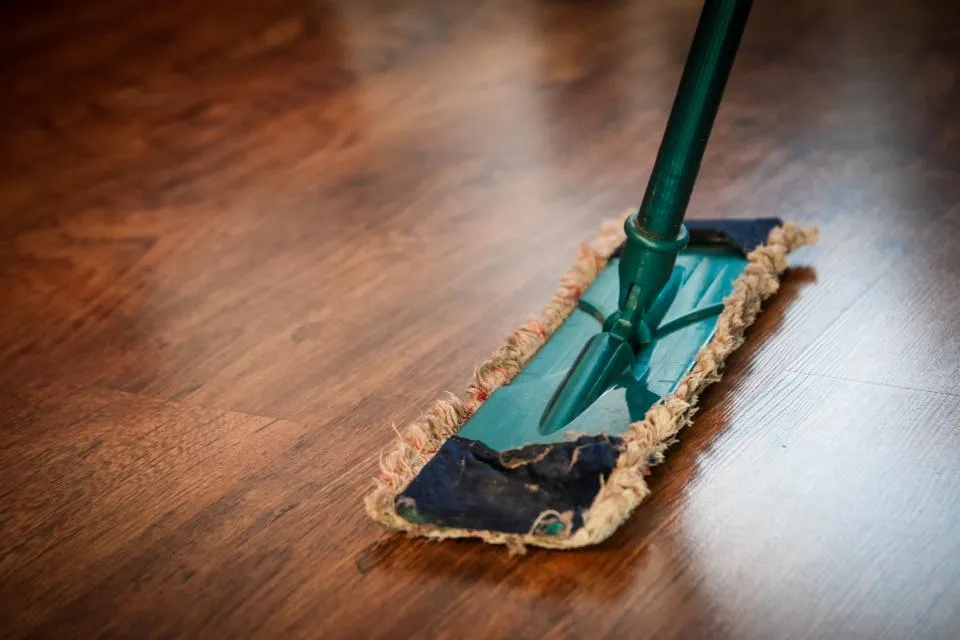
- Remove grit daily or every few days with a vacuum (no beater bar), a robot vacuum or a microfiber dust mop.
- Damp-mop every 1 to 2 weeks with a cleaner made for sealed wood and a well-wrung microfiber mop.
- Never soak the floor or use steam unless your flooring maker allows it.
- Wipe spills right away and dry the floor.
- Skip vinegar, oil soaps and waxes on modern polyurethane finishes unless the maker recommends them.
Hardwood floors last for decades when they're cared for, and they're not hard to clean once you know the rules. Most damage comes from two things: grit that scratches the finish every time someone walks on it, and too much water or the wrong cleaner. Get those right and your floors stay beautiful.
This guide covers how to tell what finish you have, daily and weekly cleaning, the right way to mop, which products to avoid, how to deal with stains and scuffs, and how to keep floors looking good for longer.
What kind of finish does your hardwood floor have?
The finish decides how you clean. Most floors installed or refinished in recent decades have a surface finish like polyurethane, which forms a protective layer on top of the wood. Older floors may have a penetrating finish of oil or wax, which soaks into the wood and needs different care.
- Scratch test: rub a fingernail across a quiet spot. If the scratch sits on top of a coating, it's likely a surface finish.
- Water drop test: place a drop of water in an out-of-the-way spot. If it beads, the floor is sealed. If it soaks in and darkens the wood quickly, the finish is worn or penetrating, and you should keep water to a minimum.
- Ask the installer or check the flooring maker's care guide if you know the brand.
This guide focuses on sealed, surface-finished floors, which are the most common. The National Wood Flooring Association has care advice for other finishes.
How should you clean hardwood floors every day?
The single most important habit is removing grit. Sand, dirt and small debris act like sandpaper under shoes and chair legs, slowly wearing away the finish and leaving a dull, scratched look in high-traffic areas.
- Vacuum with a hard-floor setting or a vacuum without a spinning beater bar, which can scratch.
- Dust mop with a microfiber head, which traps fine dust instead of pushing it around.
- Run a robot vacuum daily in high-traffic rooms, so grit never builds up.
- Sweep with a soft broom if that's what you have, but microfiber or vacuuming captures more fine dust.
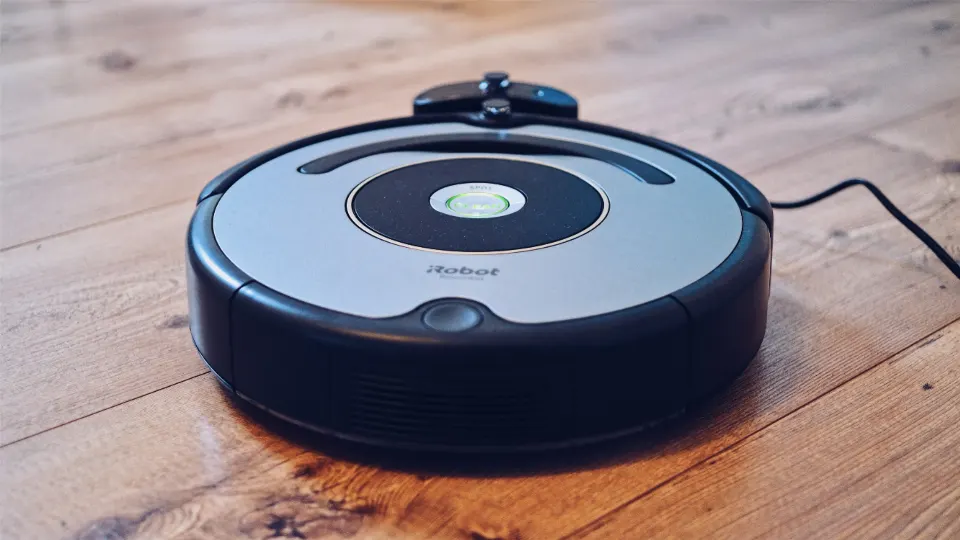
Is a robot vacuum good for daily hardwood cleaning?
It's one of the easiest ways to keep grit off wood floors, because it runs every day without you having to remember. DustaPro is a one-button robot vacuum: no app, no WiFi, just press start. It's about 2.8 inches tall to reach under furniture, quiet (the brand lists 60 dB or less) and charged by USB. Its suction is modest, which is why we recommend it for daily dust, crumbs and pet hair on hard floors like wood rather than deep carpet cleaning. On hardwood, daily maintenance is exactly what matters. It costs $69.99, or as little as $49.99 each in bundles. Read our DustaPro review (4.3/5) and our guide to a robot vacuum for hardwood floors.
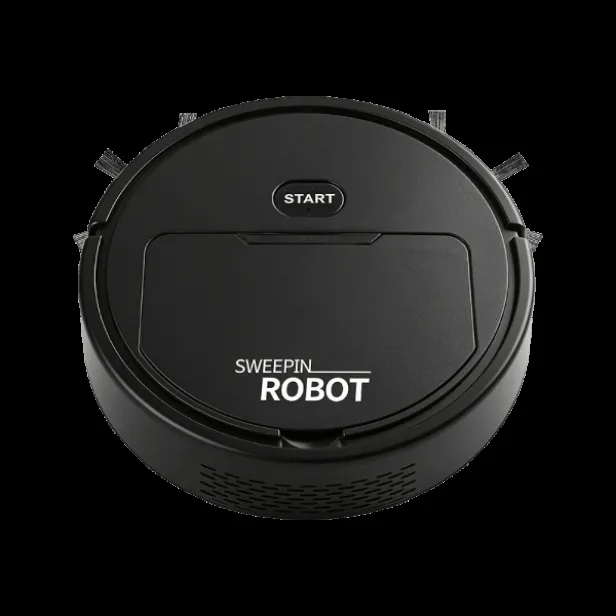
Daily grit removal for wood floors
DustaPro one-button robot vacuum: no app, no WiFi, 2.8 in tall, quiet, USB charging. $69.99, or from $49.99 each in bundles, with a 30-day refund guarantee.
Check today's price →$69.99, or from $49.99 each in bundles
How do you mop hardwood floors the right way?
- Dry clean first: vacuum or dust mop to remove grit, so mopping doesn't drag it around.
- Choose a cleaner made for sealed wood floors, ideally one your flooring maker recommends. Dilute it exactly as the label says.
- Use a microfiber mop and wring it until it's only damp, not dripping.
- Mop in the direction of the boards, in small sections.
- Don't leave standing water. If any puddles form, wipe them with a dry cloth.
- Let the floor dry before walking on it, usually just a few minutes if you used little water.
Every one to two weeks is enough for most homes, more often in kitchens and entryways.
What should you never use on hardwood floors?
| Avoid | Why |
|---|---|
| Lots of water / soaking | Water seeps between boards, causing swelling, cupping and stains |
| Steam mops | Heat and moisture can damage the finish and the wood; many makers warn against them |
| Vinegar solutions | Acid can dull polyurethane finishes over time |
| Oil soaps and furniture polish | Leave residue that makes floors slippery and complicates refinishing |
| Wax on polyurethane | Creates a slippery film and buildup |
| Ammonia, bleach and harsh cleaners | Can strip or discolor the finish |
| Abrasive pads and steel wool | Scratch the finish |
| Beater bar vacuums | Can scratch and dent wood |
How do you handle spills and stains?
- Wipe spills immediately with a dry or slightly damp cloth.
- Sticky spots: a damp microfiber cloth with a little wood floor cleaner.
- Pet accidents: blot right away, clean with a cleaner safe for wood, and dry the area. Old urine stains that turned dark may need professional repair.
- Gum or wax: harden it with an ice cube in a plastic bag, then gently lift it with a plastic scraper.
- Water rings on the surface: often fade if you let them dry fully; persistent white marks may need a professional.
How do you remove scuff marks?
Most black scuff marks from shoes sit on top of the finish. Rub them gently with a clean tennis ball, a soft cloth or a dry microfiber pad. A tiny bit of wood floor cleaner on a cloth helps with stubborn marks. Avoid melamine sponges and abrasive pads, which can dull the finish. Felt pads on furniture legs prevent most new scuffs.
How do you care for hardwood with pets?
Pets bring extra hair, dirt and claws. Trim their nails regularly, wipe paws at the door on rainy days, and put washable mats under water bowls. Pet hair on wood drifts into corners and under furniture, where a daily robot run or a quick pass with a handheld picks it up. Clean accidents immediately, since urine can damage the finish and the wood. See how to get rid of pet hair.
How do you protect hardwood floors long term?
- Doormats inside and outside every entrance.
- Shoes off indoors, especially high heels and cleats.
- Felt pads on all furniture legs, replaced when worn.
- Area rugs with rug pads in high-traffic zones.
- Steady humidity, ideally in the range your flooring maker recommends, to limit gaps and cupping.
- Window coverings to reduce fading from direct sun.
- Lift furniture instead of dragging it.
- Refresh the finish (screen and recoat) every few years before it wears through.
What's a simple hardwood cleaning schedule?
| How often | Task |
|---|---|
| Daily | Robot vacuum or quick dust mop in high-traffic areas |
| Weekly | Vacuum all wood floors, corners and under furniture |
| Every 1 to 2 weeks | Damp-mop with a wood floor cleaner |
| Every few months | Check felt pads, clean baseboards, move furniture to clean underneath |
| Every 3 to 5 years | Professional screen and recoat, depending on wear |
See how floors fit into a full routine in our weekly cleaning schedule, and use our guide on how often you should vacuum to adjust for pets and allergies.
Why do hardwood floors look dull?
Dullness usually comes from one of three things: residue from the wrong cleaner (oil soaps, polish, too much product), fine scratches from grit, or a finish that's worn thin in traffic paths. For residue, mop with a cleaner made for wood floors, diluted properly, and dry well. For fine scratches, more frequent dry cleaning prevents them from getting worse. If the finish is worn, a professional screen and recoat restores the shine without full sanding.
What about hardwood in the kitchen?
Kitchens are the toughest place for wood floors: crumbs, grease splatter, dropped food and water from the sink and dishwasher. A few adjustments help. Run a robot or a quick dust mop every day, since crumbs and grit build up fastest here. Put a washable mat in front of the sink and the dishwasher to catch drips. Wipe spills right away, especially water, oil and anything acidic like juice or wine. Damp-mop the kitchen weekly rather than every two weeks. And check the floor around the dishwasher and fridge for signs of a slow leak, such as cupped or darkened boards, since catching a leak early saves the floor.
Do engineered wood and laminate need different care?
Engineered hardwood has a real wood top layer over a plywood core, so it's cleaned much like solid hardwood: dry clean often, damp-mop sparingly with a wood floor cleaner. Laminate looks like wood but has a photographic layer under a hard plastic wear layer; it's even more sensitive to standing water at the seams, so use a barely damp mop and a cleaner made for laminate. Luxury vinyl plank tolerates a bit more moisture. In all three cases, grit is the enemy and a daily dry clean is the best protection. When in doubt, follow the flooring maker's care guide, which also protects your warranty.
The bottom line
Clean hardwood floors with two simple habits: remove grit often, and use very little water. Vacuum, dust mop or run a robot daily, damp-mop with a wood floor cleaner every week or two, wipe spills right away, and skip steam, vinegar and oily products on sealed floors. Protect them with mats, felt pads and steady humidity, and they'll look good for decades.
Our pick for daily grit removal is DustaPro. Check today's DustaPro price.
Sources
- National Wood Flooring Association. Wood Floor Care.
- U.S. Environmental Protection Agency. Introduction to Indoor Air Quality.
- Official DustaPro product page, checked October 2026.
Frequently asked questions
What is the best way to clean hardwood floors?
Remove grit often with a vacuum, dust mop or robot vacuum, and damp-mop every one to two weeks with a cleaner made for sealed wood and a well-wrung microfiber mop.
Can you use vinegar on hardwood floors?
It's best avoided on polyurethane finishes, since acid can dull them over time. Use a cleaner made for wood floors instead.
Is a steam mop safe for hardwood floors?
Many flooring makers warn against steam, because heat and moisture can damage the finish and the wood. Check your floor's care guide.
How often should you mop hardwood floors?
Every one to two weeks for most homes, more often in kitchens and entryways. Dry clean daily or every few days.
How do you remove scuff marks from hardwood?
Rub gently with a clean tennis ball, a soft cloth or a dry microfiber pad, with a little wood floor cleaner for stubborn marks.
Are robot vacuums good for hardwood floors?
Yes. Daily runs remove the grit that scratches the finish. DustaPro is a one-button robot, 2.8 in tall, for daily dust on hard floors. $69.99, or from $49.99 each in bundles.

Michelle Hert
Michelle looks into the cleaning products that go viral in ads, from toilet foams to mini vacuums and drain cleaners. She reads the product pages, checkout and return policies, trusted safety sources and buyer feedback so you know what a product really does before you buy it. Her reviews are built on manufacturer information, official checkout and return policies, trusted safety sources and buyer feedback, and are updated when offers change. More about Michelle.