
- Clean the stopper: pull it out and remove the hair wrapped around it. This alone fixes many slow sinks.
- Use a foaming drain cleaner like SavingStars: pour the powder, add about 1 liter of hot water, wait 20 minutes and flush. The foam expands to reach buildup on the pipe walls.
- Use a plastic drain snake for a stubborn hair clog, after flushing any cleaner out.
- Clean the P-trap under the sink if water still won't drain.
A bathroom sink that drains slowly is one of the most common household annoyances. You brush your teeth and the water just sits there, or you notice a gray ring and a faint smell coming up from the drain. The good news is that bathroom sink clogs are usually small and close to the surface, which means the right clog remover can fix most of them in under half an hour without a plumber. This guide compares the main types of clog removers, explains which one suits a bathroom sink, and shows you step by step how to use it safely.
In this guide:
- what clogs a bathroom sink
- the types of clog removers compared
- how to use a foaming clog remover step by step
- what to avoid
- when to snake the drain or clean the P-trap
- how to keep the sink flowing
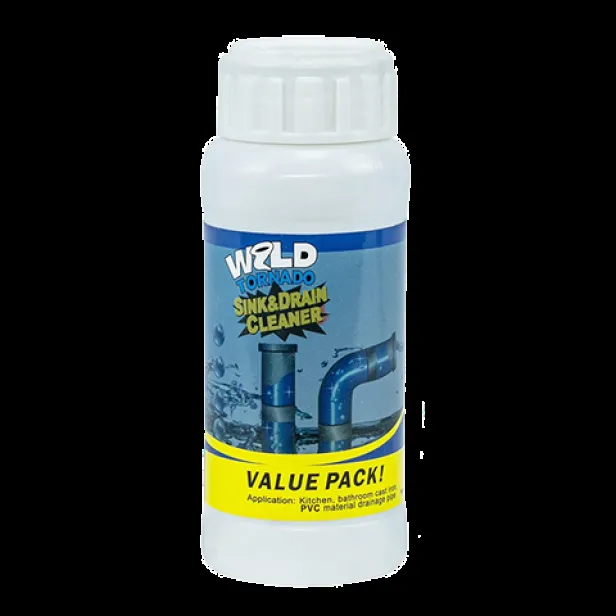
Our pick: the SavingStars Drain Cleaner
Foaming drain cleaner powder for hair, grease and soap scum. Pour, add hot water, wait 20 minutes, flush.
Check today's price →$12.99, or from $6.99 each in bundles
What clogs a bathroom sink?
- Hair from brushing, shaving and washing your face.
- Toothpaste that hardens in the pipe.
- Soap scum from bar soap and face wash.
- Shaving cream and stubble.
- Makeup, lotion and oils that coat the pipe walls.
- Small objects like caps, earrings or cotton pads.
Most of these form a sticky layer that catches more hair over time. That's why a slow sink gets slower week by week. See why your sink drains slowly and how to remove a hair clog.
Which type of clog remover works best?
| Type | How it works | Best for | Watch out for |
|---|---|---|---|
| Foaming powder (like SavingStars) | Foams and expands into the pipe to break down buildup | Hair, soap scum, toothpaste and grease buildup | Follow the dose and wait time |
| Caustic gels (lye-based) | Strong chemical reaction | Tough clogs | Harsh on skin and older pipes; strong fumes |
| Acid cleaners | Very strong chemical | Professional use | Dangerous at home; can damage pipes |
| Baking soda and vinegar | Fizzing reaction | Very light buildup, odors | Weak on real hair clogs |
| Plastic drain snake | Pulls hair out mechanically | Hair clogs near the top | Doesn't clean pipe walls |
| Plunger | Pressure | Soft blockages | Messy in sinks with an overflow hole |
For a typical bathroom sink, a foaming cleaner is the easiest effective option, because it works on the sticky buildup that holds hair in place. See the best drain cleaner for hair and does baking soda and vinegar unclog drains?
Should you clean the stopper first?
Always. Pop-up stoppers collect a surprising amount of hair and gunk. Pull the stopper up and out (on many sinks you twist it, or loosen the pivot rod nut under the sink), wipe off the hair and slime, rinse it and put it back. If water drains better, the job may already be done. See how to clean a bathroom sink stopper.
How do you use a foaming clog remover?
- Remove standing water from the sink with a cup if it's full.
- Take out the stopper so the powder can reach the drain.
- Pour SavingStars powder into the drain. Use the cap to measure a larger dose for a stubborn clog.
- Slowly pour about 1 liter (4 cups) of hot water into the drain. The powder foams and works into the buildup.
- Wait 20 minutes. Don't use the sink.
- Flush with more hot water and check the flow.
- Repeat once for very old buildup.
Full instructions are in how to use SavingStars.
Why is SavingStars a good fit for bathroom sinks?
- It foams and expands into the pipe, reaching buildup on the walls.
- It targets hair, grease and soap scum, the main causes of bathroom sink clogs.
- It's non-corrosive and safe for PVC and metal pipes, per the brand.
- It's septic-safe, per the brand.
- It's simple: pour, add hot water, wait 20 minutes, flush.
Read our SavingStars review.
Clear a slow bathroom sink in 20 minutes
SavingStars foaming powder for hair, grease and soap scum. Pour, add hot water, wait 20 minutes, flush. $12.99, or from $6.99 each in bundles, with a 30-day refund guarantee.
Check today's price →$12.99, or from $6.99 each in bundles
What should you avoid?
- Don't mix cleaners. Health Canada warns that mixing bleach with other products can release toxic gases.
- Don't use harsh lye or acid cleaners repeatedly. Poison Control explains the risks of strong chemical drain cleaners, including burns.
- Don't plunge right after pouring any cleaner; it can splash.
- Don't use boiling water on older pipes or porcelain if your instructions say hot, not boiling.
- Wear gloves and keep children and pets away while the cleaner works.
See is drain cleaner safe for pipes?
What if the sink is still clogged?
- Repeat the treatment once.
- Flush any cleaner out with plenty of water.
- Use a plastic drain snake (the cheap barbed strip kind). Push it down, twist and pull out the hair.
- Clean the P-trap under the sink: put a bucket underneath, unscrew the slip nuts, empty and rinse the trap, and reassemble. See how to clean a P-trap.
- Call a plumber if several drains are slow, water backs up elsewhere or you smell sewage.
What about the overflow hole?
Most bathroom sinks have an overflow hole near the top that connects to the drain. It can trap gunk and smell musty. Flush it with hot water after a drain treatment, and clean around it with a small brush. If you use a plunger, cover the overflow with a wet cloth so the pressure goes down the drain.
Why does my bathroom sink smell?
A musty or rotten-egg smell usually comes from buildup in the drain or the overflow, or a dry trap in a sink that's rarely used. A foaming treatment followed by a hot water flush often helps. Run water in guest bathroom sinks weekly to refill the trap. See sewer smells in the bathroom.
How do you keep the sink flowing?
- Use a drain hair catcher or a mesh strainer.
- Clean the stopper every few weeks.
- Rinse the sink with hot water after brushing and shaving.
- Wipe excess toothpaste and shaving cream into the trash, not down the drain.
- Treat the drain monthly with SavingStars.
See how to prevent clogged drains and how to unclog a bathroom sink.
How much does SavingStars cost?
| Bundle | Price each |
|---|---|
| 1 | $12.99 |
| 3 | $8.99 |
| 5 | $7.85 |
| 7 | $6.99 |
A 30-day refund guarantee applies. Bundles make sense if you have several sinks, a shower and a tub to treat each month.
Does hard water make clogs worse?
It can. Hard water leaves mineral deposits that make pipe walls rougher, so soap scum and hair stick more easily. If you see white crust on your faucet and showerhead, your water is likely hard. Regular treatment and hot-water flushes help keep buildup under control.
How often should each sink be treated?
| Sink | Suggested routine |
|---|---|
| Main bathroom sink (daily shaving, long hair) | Monthly treatment, stopper cleaned every 2 weeks |
| Kids' bathroom | Monthly treatment; check for small objects |
| Guest bathroom | Run water weekly; treat every 2 to 3 months |
| Shower and tub drains | Monthly, with a hair catcher |
See how to unclog a shower drain and how to unclog a bathtub drain.
Is it safe if you have a septic system?
The brand says SavingStars is septic-safe and non-corrosive. Use the recommended dose and don't pour large amounts of any chemical down your drains. See drain cleaner for septic systems.
How does it compare with Drano?
Many big-name liquid cleaners rely on strong caustic chemicals. They can work fast, but they're harsh on skin and eyes and can be hard on older pipes if used often. A non-corrosive foaming powder is a gentler choice for regular monthly use. See Drano alternatives.
How long does the whole job take?
About half an hour: a few minutes to clean the stopper, 20 minutes for the foam to work and a few minutes to flush and test. A snake or P-trap cleaning adds 10 to 20 minutes if needed. That's far quicker and cheaper than waiting for a plumber, and most bathroom sink clogs never need one.
What tools should you keep on hand?
- A drain hair catcher for each sink.
- A plastic drain snake.
- Rubber gloves and a small bucket.
- A pack of SavingStars for monthly treatments.
What if you rent?
Most landlords expect tenants to handle small hair clogs. Try the stopper and a foaming treatment first, and report it if water backs up or pipes leak.
The bottom line
The best clog remover for a bathroom sink tackles hair, toothpaste and soap scum:
- clean the stopper first
- pour SavingStars, add about 1 liter of hot water, wait 20 minutes and flush
- use a plastic snake or clean the P-trap for stubborn clogs
- never mix products, and prevent clogs with a hair catcher and a monthly treatment
SavingStars is non-corrosive and safe for PVC and metal pipes, per the brand. It costs $12.99, or as low as $6.99 each in bundles, with a 30-day refund guarantee.
Our pick: the SavingStars Drain Cleaner
Foaming drain cleaner powder for hair, grease and soap scum. Pour, add hot water, wait 20 minutes, flush.
Check today's price →$12.99, or from $6.99 each in bundles
Frequently asked questions
What is the best clog remover for a bathroom sink?
A foaming drain cleaner that targets hair, soap scum and toothpaste, like SavingStars, after cleaning the stopper.
How do you use SavingStars in a bathroom sink?
Pour the powder, add about 1 liter of hot water, wait 20 minutes and flush with more hot water.
Is SavingStars safe for pipes?
Per the brand, it's non-corrosive and safe for PVC and metal pipes.
Why does my bathroom sink keep clogging?
Hair, toothpaste and soap scum build up into a sticky layer. A hair catcher and a monthly treatment help.
What if a clog remover doesn't work?
Repeat once, flush with water, then use a plastic snake or clean the P-trap. Call a plumber if several drains are slow.
Can I mix drain cleaners?
No. Never mix products; some combinations release toxic gases.

Michelle Hert
Michelle looks into the cleaning products that go viral in ads, from toilet foams to mini vacuums and drain cleaners. She reads the product pages, checkout and return policies, trusted safety sources and buyer feedback so you know what a product really does before you buy it. Her reviews are built on manufacturer information, official checkout and return policies, trusted safety sources and buyer feedback, and are updated when offers change. More about Michelle.