Robot vacuums have gone from a gadget for tech lovers to a common household tool. But if you're deciding between a robot and a traditional vacuum, or wondering whether a robot can replace your upright, the marketing doesn't make it easy. Some ads suggest robots do everything; some reviews say they're toys.
The truth is in between. This guide compares robot and regular vacuums on cleaning power, convenience, cost, maintenance and the homes each suits best, so you can decide what's right for you.
What is the main difference between a robot vacuum and a regular vacuum?
A regular vacuum, whether upright, canister, stick or handheld, is powered and guided by you. It usually has much stronger suction and larger dust capacity, and you can point it exactly where it's needed, including stairs, sofas and corners.
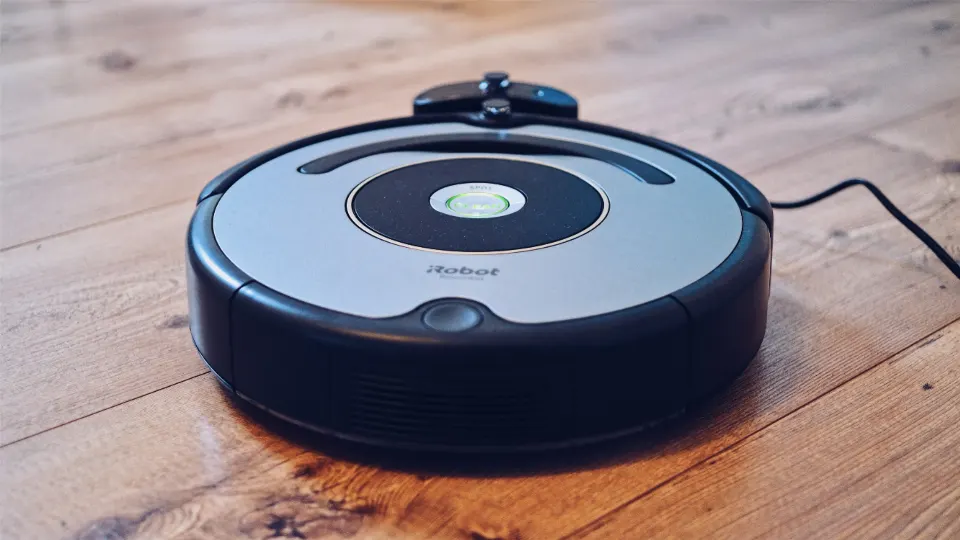
A robot vacuum is a small, low disc that drives itself around the floor on a schedule or at the press of a button. It has much less suction and a small bin, but it works while you're doing something else, every day if you want, and slides under beds and sofas where regular vacuums rarely go.
In short: a regular vacuum is about power; a robot is about frequency. Keep that in mind and the rest of the comparison falls into place, because the best choice depends on whether your home needs more power, more frequency or, most often, a bit of both.
How do robot and regular vacuums compare?
| Robot vacuum | Regular vacuum | |
|---|---|---|
| Suction | Lower | Much higher |
| Deep carpet cleaning | Limited | Strong |
| Effort | None: press a button | You do the work |
| Cleaning frequency | Easy to run daily | Usually weekly |
| Under furniture | Fits under most beds and sofas | Often can't reach |
| Stairs and upholstery | No | Yes (with attachments) |
| Dust bin | Small, empty after each run | Large |
| Noise | Usually quieter | Louder |
| Preparation | Pick up cords, socks, toys | None |
| Price range | About $50 to over $1,000 | About $50 to over $700 |
What are robot vacuums good at?
- Daily dust, crumbs and pet hair on hard floors and low rugs.
- Keeping floors consistently clean, instead of clean once a week and dusty the rest.
- Cleaning under beds, sofas and dressers.
- Saving time and effort, especially for busy people, seniors and anyone with back or knee problems.
- Reducing the dust that ends up in the air and on surfaces, as part of a dust-control routine. See how to reduce dust in your house.
What are regular vacuums good at?
- Deep-cleaning carpets, especially medium and thick pile.
- Big messes: spilled cereal, dirt tracked in, potting soil.
- Stairs, upholstery, mattresses, curtains and cars (with attachments, or with a handheld vacuum).
- Edges and corners, where robots can miss a strip.
- Large homes that a single robot charge can't cover.
Can a robot vacuum replace a regular vacuum?
For most homes, not completely. Even high-end robots don't clean stairs, sofas or the inside of a car, and budget robots have limited suction on carpet. But a robot can greatly reduce how often you need the regular vacuum. Many owners find that with a daily robot pass, a quick weekly session with a regular or handheld vacuum is all they need.
In small apartments with mostly hard floors, a robot plus a handheld vacuum can cover nearly everything. See robot vacuums for small apartments.
Do you need an expensive robot vacuum?
Not necessarily. Expensive robots add mapping, app control, no-go zones, self-emptying bases and stronger suction. Those features are nice, but they also add setup, WiFi, accounts and updates, which many people don't want.
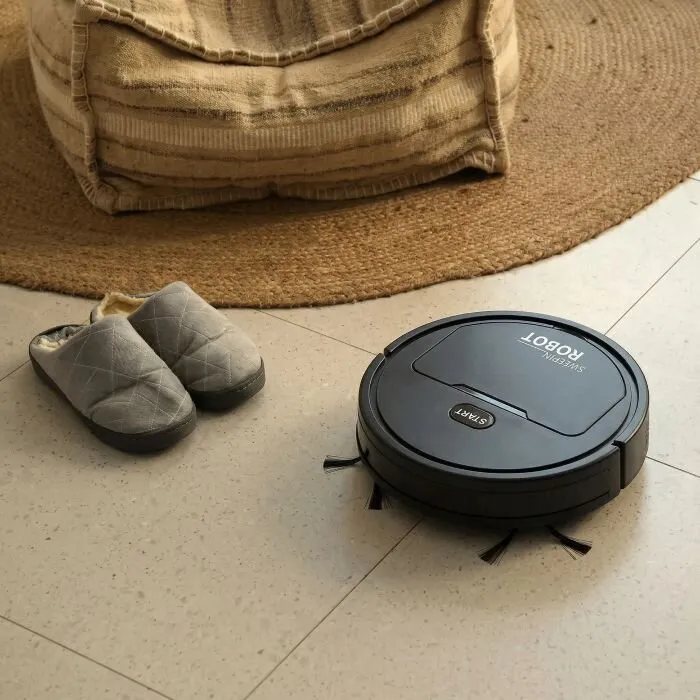
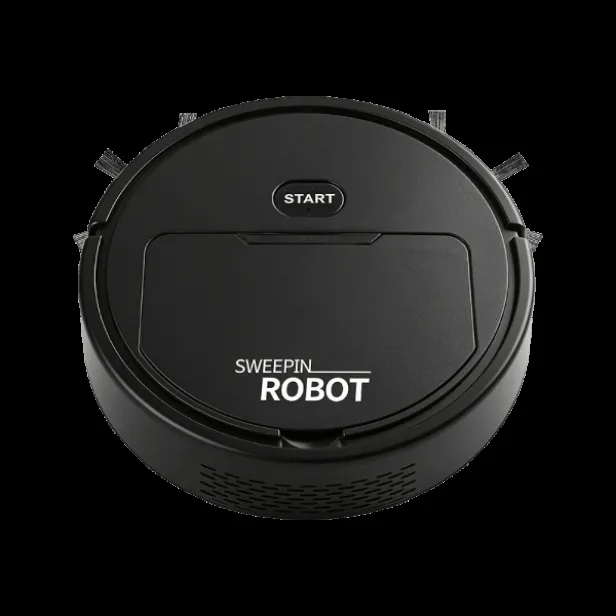
For daily maintenance of hard floors and low rugs, a simple robot can do the job. DustaPro is a good example of the simple approach. According to the brand, it's a one-button robot vacuum with no app and no WiFi: charge it by USB, place it on the floor, press start. It's just 2.8 inches tall, so it slides under most beds and sofas, runs quietly (60 dB or less) for about 25 minutes, and handles everyday dust, crumbs and pet hair. Its suction is modest, so it's designed for daily maintenance rather than deep carpet cleaning, and that's exactly the role a robot plays best. Read our DustaPro review.
The simplest way to keep floors clean every day
DustaPro one-button robot vacuum: no app, no WiFi, USB charging, 2.8 in tall, quiet. $69.99, or from $49.99 each in bundles, with a 30-day refund guarantee.
Check today's price →$69.99, or from $49.99 each in bundles
Who benefits most from a robot vacuum?
- Pet owners fighting daily shedding.
- Busy people and families with kids.
- Seniors and people with back or knee problems who find vacuuming hard.
- Apartment and small-home dwellers with mostly hard floors.
- Allergy sufferers, since frequent cleaning helps keep dust down.
- Anyone who simply hates vacuuming and would rather spend those minutes on something else.
- Renters who want a cheap, simple tool that moves easily with them.
Who still needs a strong regular vacuum?
- Homes with lots of medium or thick carpet.
- Homes with stairs.
- Households that often deal with big messes, like mud, sand or pet litter.
- People who want to deep-clean upholstery and mattresses regularly.
Even then, a robot can take over the daily part, so the big vacuum comes out less often.
What is the best combination for most homes?
For most households, the most efficient setup is:
- A robot vacuum running daily on hard floors and low rugs.
- A cordless handheld vacuum for couches, stairs, the car, spills and corners. See our DustaClean review.
- A regular vacuum once a week or every other week for carpets and deep cleaning.
This combo keeps your home consistently clean with very little effort. See our guide on how often you should vacuum.
What does a week look like with each approach?
Imagine a two-bedroom home with hardwood in the living areas, a rug in the living room, carpet in the bedrooms and a shedding dog. With only a regular vacuum, most people vacuum once a week, usually on the weekend. By Wednesday, there's a visible layer of dust and fur along the hallway, crumbs under the kitchen table and hair drifting into corners. The weekend session takes 30 to 45 minutes, plus hauling the vacuum around and up the stairs.
With a robot plus a regular vacuum, the robot runs every morning while you have breakfast or after you leave for work. It picks up the day's dust, crumbs and fresh pet hair on the hard floors and the low rug, and slides under the sofa and beds. The floors stay consistently tidy all week. The weekend session becomes a quicker job focused on the bedroom carpets, edges and the couch, and many people find they can stretch it to every other week on the hard floors.
The difference isn't that the robot is more powerful. It isn't. The difference is that it never skips a day. That's why owners often describe their homes as "cleaner" with a robot, even though the robot itself does less per run.
What are the common myths about robot vacuums?
- "They replace all vacuuming." They don't. They handle daily maintenance, which is most of the work, but not stairs, upholstery or deep carpet cleaning.
- "You need an expensive, app-controlled model." Not for basic daily maintenance in a small home. A simple one-button robot covers the essentials.
- "They'll get stuck all the time." Some prep helps: pick up cords and socks, and block off problem areas. Low-profile models handle most furniture well.
- "They're too noisy to run while you're home." Many robots are quieter than regular vacuums, and some, like DustaPro, run at 60 dB or less, according to the brand.
How much maintenance does each need?
Robot vacuums need the bin emptied after each run (unless they self-empty), brushes cleared of hair every week or two, and filters cleaned regularly. You also need to pick up cords, socks and small objects before running it. Regular vacuums need bags or bins emptied, filters cleaned or replaced, and brush rolls cleared of hair. Both last longer with regular care.
What do they cost over time?
Simple robots like DustaPro cost about $50 to $70, mid-range app-controlled robots a few hundred dollars, and premium self-emptying models can exceed $1,000. Regular vacuums range from about $50 for basic models to several hundred for high-end uprights and cordless sticks. Replacement filters, brushes and batteries add small ongoing costs to both. For many people, the time saved by a robot is the biggest "return."
How do you get the best results from a robot vacuum?
- Run it daily or every other day. Little and often is the point.
- Pick up cords, socks, toys and pet bowls first.
- Empty the bin after each run.
- Clear hair from brushes weekly.
- Do one area at a time in a larger home.
- Use a regular or handheld vacuum for edges every week or two.
Our guide on whether robot vacuums are worth it goes deeper into what to expect.
The bottom line
Regular vacuums win on power and versatility; robot vacuums win on effort and consistency. Rather than choosing one, most homes do best with a robot for daily upkeep, a handheld for quick jobs and a regular vacuum for weekly deep cleaning. If you want a robot without apps or WiFi, a one-button model is the easiest way to start.
Our pick for simple daily cleaning is DustaPro. Check today's DustaPro price.
Sources
- U.S. Environmental Protection Agency. What Is a HEPA Filter?
- American College of Allergy, Asthma and Immunology. Dust Allergies.
- Official DustaPro product page, checked October 2026.
Frequently asked questions
Is a robot vacuum better than a regular vacuum?
Not better, different. Regular vacuums are stronger for deep cleaning, carpets and stairs; robot vacuums are better for effortless daily maintenance of hard floors and low rugs.
Can a robot vacuum replace a regular vacuum?
Usually not completely, since robots don't clean stairs, upholstery or thick carpet deeply. But daily robot runs can greatly reduce how often you need a regular vacuum.
Do robot vacuums work on carpet?
They handle low-pile rugs for daily maintenance, but suction is limited on medium and thick carpet, which still needs a regular vacuum for deep cleaning.
Do I need an app for a robot vacuum?
No. Simple one-button robots like DustaPro need no app or WiFi: charge, place on the floor and press start.
How often should a robot vacuum run?
Daily or every other day works best, since the robot's job is to keep up with everyday dust, crumbs and pet hair.
What is the best vacuum setup for most homes?
A robot vacuum for daily floors, a cordless handheld for couches, stairs and the car, and a regular vacuum weekly for carpets and deep cleaning.

Michelle Hert
Michelle looks into the cleaning products that go viral in ads, from toilet foams to mini vacuums and drain cleaners. She reads the product pages, checkout and return policies, trusted safety sources and buyer feedback so you know what a product really does before you buy it. Her reviews are built on manufacturer information, official checkout and return policies, trusted safety sources and buyer feedback, and are updated when offers change. More about Michelle.