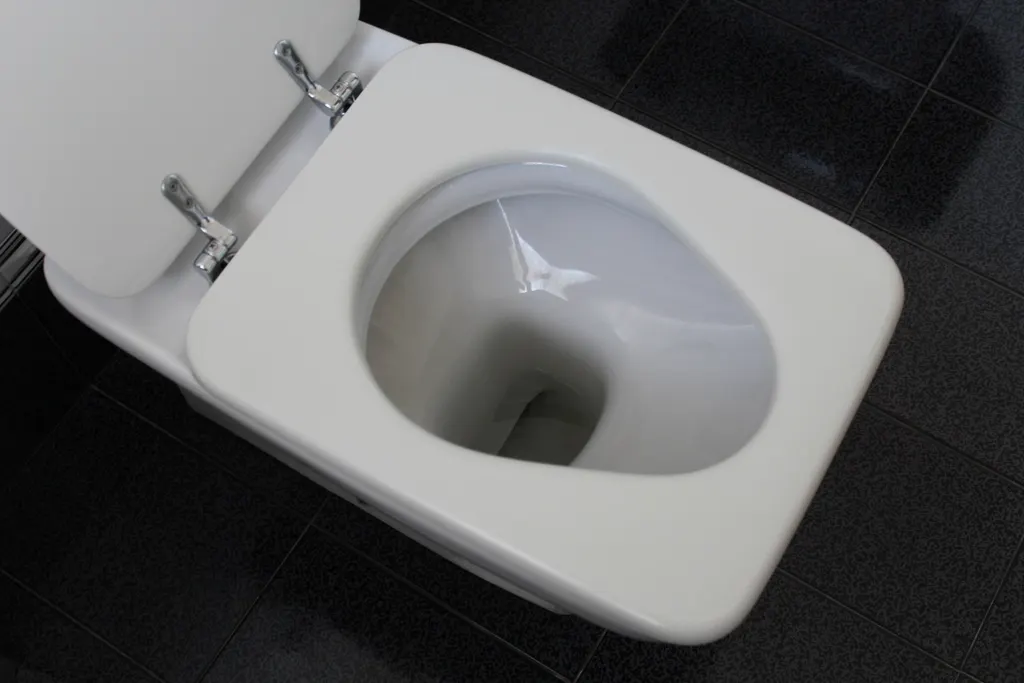
- Lower the water level so the ring is exposed.
- Apply a cleaner that dissolves mineral buildup and let it sit. Time does most of the work.
- Scrub with a toilet brush, or a wet pumice stone for stubborn rings.
- Flush.
You clean the toilet, and a week later it's back: that gray, brown or orange ring right where the water sits. It's one of the most common bathroom annoyances, and one of the most frustrating, because regular scrubbing often doesn't touch it.
The good news is that a toilet ring isn't a sign of a dirty house. It's mostly chemistry, especially if you have hard water. Once you know what causes it, removing it, and keeping it away, gets much easier. This guide covers what the ring is made of, the step-by-step method that works, what to avoid and how to stop it coming back.
What causes a ring in the toilet bowl?
A toilet ring forms at the water line because that's where water sits still and slowly evaporates, leaving behind whatever was dissolved in it. The main ingredients are:
- Hard water minerals: calcium and magnesium carbonate leave a chalky, crusty deposit (limescale) that grips the porcelain. The USGS explains that hardness comes from these dissolved minerals, and much of the US has moderately hard to very hard water.
- Iron and manganese: they cause orange, reddish or brown rings, common with well water or older pipes.
- Bacteria and mold: pink or gray-black rings often come from airborne bacteria (like Serratia marcescens) or mold growing in the damp film.
- Everyday grime that sticks to the rough surface of mineral deposits.
Minerals build the foundation; grime and bacteria settle on top. That's why the ring returns quickly if the mineral layer isn't removed. It also explains why the ring often looks worse in winter or after a trip: the less often a toilet is flushed and cleaned, the more time the water line has to dry, concentrate minerals and collect a fresh layer of grime.
What does the color of the ring tell you?
| Color | Likely cause | What works |
|---|---|---|
| White, gray or crusty | Limescale from hard water | Acid-based or descaling cleaner, long soak |
| Orange, red or brown | Iron or manganese | Rust-dissolving cleaner, soak and scrub |
| Pink | Bacteria (Serratia) | Regular cleaning, disinfecting, drying |
| Black or dark gray | Mold or mildew, sometimes mixed with minerals | Cleaner plus scrubbing; check the tank and rim |
See our guides to hard water stains in the toilet and rust stains in the toilet for those specific problems.
How do you remove a toilet bowl ring step by step?
- Put on gloves and open a window or run the fan for fresh air.
- Lower the water level. Turn off the water valve behind the toilet and flush once. The bowl will drain and stay mostly empty, exposing the ring. You can also use a plunger to push water down the drain.
- Apply your cleaner directly to the ring. A cleaner made for mineral buildup works best on white and orange rings.
- Wait. Give it at least 15 to 30 minutes. Most rings come off because the cleaner has time to soften the deposit, not because of hard scrubbing.
- Scrub with a stiff toilet brush. For a stubborn ring, gently rub with a wet pumice stone (keep both stone and porcelain wet to avoid scratching).
- Turn the water back on and flush.
- Repeat for very old rings. Thick deposits can take two or three rounds.
Is there an easier way without scrubbing?
Yes, which is why foaming toilet cleaners have become so popular. FizzClean is a foaming powder designed to do the soaking for you. You scoop 1 tablespoon into the bowl, the foam expands up the sides and under the water line, you wait about 20 minutes, then flush. According to the brand, it's formulated to dissolve stains, limescale, rust marks and grime, neutralize odors, and it's bleach-free and septic-safe.
For a light or recent ring, that may be all you need. For a thick, years-old ring, use FizzClean after lowering the water level, then give the ring a quick brush before flushing. Once the ring is gone, a weekly FizzClean treatment keeps it from building up again. We tested the claims against buyer feedback in our FizzClean review, where we rate it 4.5/5.


Get rid of the ring without the scrubbing
FizzClean foaming toilet cleaner: 1 tablespoon, wait 20 minutes, flush. Bleach-free and septic-safe according to the brand. From $15.29 per pack in bundles, with a 30-day refund guarantee.
Check today's price →From $15.29 per pack in bundles
Is a pumice stone safe for toilets?
Pumice stones are popular for stubborn rings and are generally used on vitreous china toilets, but they must be used carefully:
- Always keep both the stone and the porcelain wet.
- Use light pressure and let the stone wear down, not the bowl.
- Test a small, hidden area first.
- Don't use pumice on colored, plastic, painted or specially coated toilets, or on stainless steel.
If you're unsure, check your toilet manufacturer's care instructions.
What should you avoid when cleaning a toilet ring?
- Never mix cleaning products, especially bleach with acids (like vinegar or many descalers) or with ammonia. Health Canada warns that mixing bleach with other cleaners can release toxic gases. Use one product at a time and flush between products.
- Don't use steel wool or wire brushes: they scratch porcelain and give future stains something to grip.
- Don't use harsh abrasives on a daily basis.
- Don't put cleaners in the tank unless the manufacturer says it's safe: many can damage tank parts.
Does vinegar and baking soda remove a toilet ring?
White vinegar is mildly acidic and can soften light limescale if it has hours to work, for example poured on an exposed ring and left overnight. Baking soda adds a little gentle abrasion. For light rings, it's a reasonable household option. For thick or old buildup, vinegar is often too weak, and the fizzing mix of the two mostly neutralizes itself. A product formulated for limescale tends to work faster.
Whatever you try, use products one at a time and rinse between them. With FizzClean, we follow the simplest safe approach: use it on its own.
How do you keep the toilet ring from coming back?
- Clean weekly. Thin deposits are easy to remove; thick ones aren't. A weekly foaming treatment takes almost no effort.
- Brush the water line quickly between cleanings.
- Flush rarely-used toilets regularly, at least once or twice a week. Guest toilets get the worst rings because water sits untouched.
- Consider a water softener if your home has very hard water.
- Fix running toilets: constant water flow can leave mineral streaks.
- Ventilate the bathroom to reduce bacteria and mold.
- Keep a brush and your cleaner next to every toilet, so a quick weekly treatment is never a chore you put off.
Our pillar guide on how to clean a toilet covers a full weekly routine, and our guide on how to keep a toilet clean longer has more prevention tips.
Why does the guest toilet get the worst ring?
Because water sits still in it for days or weeks. Evaporation concentrates minerals at the water line, and nothing disturbs the bacteria growing in the film. If you have a toilet that's rarely used, flush it a couple of times a week and treat it with a foaming cleaner every week or two. That habit alone prevents most rings in guest bathrooms and vacation homes.
What about pink rings?
A pink ring is usually caused by airborne bacteria that thrive in moist places with traces of soap or minerals, rather than by your water. It's more common in humid bathrooms and homes with chlorine-free well water. Clean it off, then reduce moisture: run the fan during and after showers, wipe wet surfaces and clean more often. Pink buildup also appears in showers and on grout; the same routine helps.
Should you check the tank too?
Yes, occasionally. Mineral buildup and mold in the tank can drip into the bowl and leave streaks below the rim. Turn off the water, flush, and look inside. Cleaning the tank is a separate job: use mild cleaners and check the manufacturer's guidance, since many harsh products and drop-in tablets can damage rubber parts like the flapper.
What if you can't kneel to scrub?
For people with back or knee problems, a long-handled toilet brush and a foaming cleaner that works without scrubbing make toilet cleaning much easier. Many FizzClean buyers mention exactly this: they pour, wait and flush, standing up. Combine that with a weekly routine and the ring never builds up to the point of needing heavy scrubbing.
When should you call a plumber?
If the ring won't come off after repeated treatments and careful pumice use, the glaze may be worn or etched, which lets stains grip the porcelain. Old toilets with damaged glaze stain quickly no matter what, and a new, smooth-glazed bowl can be much easier to keep clean. Modern toilets also use less water per flush. A plumber can advise whether it's time to replace the toilet, especially if it also runs or leaks.
The bottom line
A toilet bowl ring is mostly minerals at the water line, plus grime and bacteria on top. Lower the water, give a suitable cleaner time to work, scrub gently and flush, then keep up a weekly routine so it never builds up again. For a ring you can manage without scrubbing, a foaming cleaner does most of the work.
Our pick is FizzClean: 1 tablespoon, 20 minutes, flush. Check today's FizzClean price.
Sources
- U.S. Geological Survey. Hardness of Water.
- Health Canada. Never Mix Bleach With Other Cleaning Products.
- Official FizzClean product page, checked October 2026.
Frequently asked questions
What causes a ring in the toilet bowl?
Mostly hard water minerals that build up at the water line as water evaporates, plus grime and bacteria that stick to the mineral layer. Iron causes orange or brown rings.
How do you get rid of a stubborn toilet ring?
Lower the water level, apply a cleaner made for mineral buildup, let it sit 15 to 30 minutes, then scrub with a brush or a wet pumice stone and flush. Repeat for old rings.
Will vinegar remove a toilet bowl ring?
Vinegar can soften light limescale if left for hours on an exposed ring, but it's often too weak for thick, old buildup. Never mix it with bleach.
Is a pumice stone safe on a toilet?
Generally yes on vitreous china if both the stone and porcelain stay wet and you use light pressure. Don't use it on colored, coated or plastic toilets.
How do I keep my toilet from getting a ring?
Clean weekly, flush rarely used toilets regularly, ventilate the bathroom and consider a water softener if your water is very hard.
Does FizzClean remove toilet rings?
FizzClean is a foaming powder designed to dissolve limescale, stains and grime: 1 tablespoon, wait about 20 minutes, flush. Thick old rings may need a quick brush too.

Michelle Hert
Michelle looks into the cleaning products that go viral in ads, from toilet foams to mini vacuums and drain cleaners. She reads the product pages, checkout and return policies, trusted safety sources and buyer feedback so you know what a product really does before you buy it. Her reviews are built on manufacturer information, official checkout and return policies, trusted safety sources and buyer feedback, and are updated when offers change. More about Michelle.