
- Clean the sink stopper and strainer.
- Scrub the disposal's rubber splash guard.
- Run hot water.
- Treat the drain with a foaming cleaner that breaks down grease and food buildup, like SavingStars.
- Clean the P-trap if the smell persists.
You've washed the dishes, wiped the counters and taken out the trash, and the kitchen still smells. Lean over the sink and there it is: a sour, rotten or sewer-like odor coming up from the drain. A smelly kitchen sink is one of the most common household annoyances, and it tends to get worse in warm weather.
The good news is that most kitchen sink smells come from buildup you can remove yourself in under an hour. This guide covers how to find the source, how to clean each part of the sink system, and the habits that keep the drain fresh.
What causes a kitchen sink to smell?
- Food and grease buildup: fats, oils and food particles cling to the pipe walls, the trap and the disposal, where bacteria break them down and produce odors.
- The garbage disposal: food stuck under the splash guard and around the grinding chamber is a classic source.
- A slow or partial clog: water and food sit in the pipe instead of draining away.
- Dishwasher drain line: food residue in the hose that connects the dishwasher to the sink drain.
- A dry trap: in a sink that isn't used often, the water in the trap can evaporate, letting sewer gas in.
- Venting problems: a blocked vent can siphon the trap dry.
How do you find where the smell is coming from?
| Clue | Likely source |
|---|---|
| Smell strongest right at the disposal opening | Food under the splash guard or in the disposal |
| Sour smell plus slow draining | Grease and food buildup or a partial clog |
| Smell after running the dishwasher | Dishwasher filter or drain line |
| Rotten-egg or sewer smell in a little-used sink | Dry trap |
| Sewer smell plus gurgling in several drains | Vent or main line problem |
Step 1: How do you clean the stopper and strainer?
Basket strainers and stoppers trap food and develop a slimy film. Remove them, scrub with hot soapy water and an old toothbrush, and rinse. Also wipe around the drain opening and the sink flange where gunk collects.
Step 2: How do you clean a garbage disposal?
- Turn off the power at the switch, and ideally at the breaker, before reaching near the disposal. Never put your hand inside.
- Lift the rubber splash guard and scrub its underside with a brush and soapy water; this is often the main source of odor.
- Grind ice cubes with a little coarse salt (power back on, water running) to knock buildup off the grinding chamber.
- Grind citrus peels in small pieces for a fresh scent.
- Run cold water for 30 seconds after grinding.
Step 3: How do you clear grease and food buildup in the pipe?
Even with a clean disposal, a film of grease and food can line the drain pipe and trap. Hot water alone won't remove it once it has built up. A foaming drain cleaner reaches the whole pipe wall.
SavingStars is a foaming drain cleaner powder made for grease, food buildup, hair and soap scum. According to the brand, you pour the powder into the drain, add about 1 liter (roughly 4 cups) of hot water, wait 20 minutes, then flush with more hot water. The foam expands through the pipe to break down buildup and the odors that come with it. The brand says it's non-corrosive and safe for PVC, metal pipes and septic systems. Using it monthly keeps a kitchen drain fresh and flowing. Read our SavingStars review.
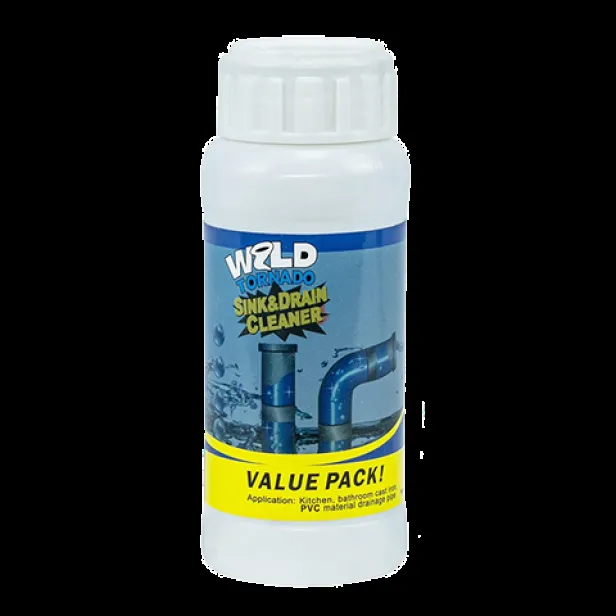
Freshen a smelly kitchen drain in 20 minutes
SavingStars foaming drain cleaner breaks down grease and food buildup: pour, add hot water, wait 20 minutes, flush. $12.99, or from $6.99 each in bundles.
Check today's price →$12.99, or from $6.99 each in bundles
Step 4: When should you clean the P-trap?
If the smell persists, the U-shaped trap under the sink may hold a lump of food and grease. Put a bucket underneath, loosen the slip nuts, remove and empty the trap, scrub it, and reassemble hand-tight. Check for leaks afterward. With a double sink, there may be two traps or a shared one.
Step 5: Could the dishwasher be the source?
Many dishwashers drain through the kitchen sink plumbing, and food residue in the dishwasher filter or drain hose can cause sink odors. Clean the dishwasher filter according to the manual (many need it monthly), wipe the door gasket, and run an empty hot cycle with a dishwasher cleaner. Make sure the drain hose has a high loop or air gap, as the manufacturer specifies, so dirty water doesn't flow back.
What if the sink is rarely used?
A sink in a vacation home, a basement bar or a guest area can develop a sewer smell simply because the water in the trap has evaporated. Run water for a minute to refill it. If you're leaving for a while, run water before you go and when you return.
What should you avoid when fixing a smelly sink?
- Pouring grease, oil or fat down the drain, even with hot water; it solidifies further down.
- Harsh caustic drain cleaners: Poison Control warns that many contain corrosive chemicals that can cause serious burns.
- Mixing products: Health Canada warns that mixing bleach with other cleaners can release toxic gases.
- Putting hard or fibrous food in the disposal: bones, celery strings, onion skins, coffee grounds, pasta and rice can cause clogs.
- Masking the smell with sprays instead of removing the buildup.
What should you do with cooking grease instead?
Let grease cool and solidify in the pan, scrape it into the trash or a lidded container, and wipe greasy pans with a paper towel before washing. For large amounts, such as from frying, check whether your city has a cooking oil recycling drop-off. Keeping grease out of the drain is the single best way to prevent both smells and clogs.
Do baking soda and vinegar fix a smelly drain?
Baking soda can absorb some odors, and a vinegar rinse can freshen a drain slightly. But together they mostly neutralize each other, and they don't remove a real grease film. They're fine as an occasional freshener; for buildup, a product designed to break down grease works better. See does baking soda and vinegar really unclog drains? and our guide to a natural drain cleaner.
What routine keeps a kitchen sink smelling fresh?
- Daily: scrape plates into the trash, empty the strainer, run hot water after washing up, and wring out the sponge.
- Weekly: scrub the strainer and the disposal splash guard; grind ice and citrus.
- Monthly: foaming drain treatment; clean the dishwasher filter.
- Yearly or as needed: clean the P-trap.
Our guide on how to prevent clogged drains covers all the drains in the house, and if the bathroom drains are slow too, see how to unclog a shower drain.
Why is the smell worse in summer?
Heat speeds up the bacteria that break down food and grease, so odors that were barely noticeable in winter become obvious in July. Kitchens also tend to be warmer and more humid in summer, and trash cans fill with fruit peels and food scraps that ripen quickly. If your sink smells more in hot weather, treat the drain more often during those months, empty the kitchen trash daily, and run the disposal with cold water after every use. Keeping the area under the sink dry and ventilated also helps, since moisture there can add a musty smell of its own.
In homes that are empty for summer vacations, run water in every sink before leaving and pour a little water into floor drains so traps don't dry out while you're away.
Could the cabinet under the sink be part of the problem?
Open the cabinet under the sink and take a sniff. A musty smell there often means a slow leak from the trap, the faucet supply lines or the dishwasher connection, which keeps the cabinet floor damp and invites mildew. Look for water stains, swollen particleboard or a damp sponge-like feel. Tighten slip nuts by hand, replace worn washers and dry the cabinet completely. Leaving a small tray or a waterproof liner under the trap makes future leaks easy to spot. Old sponges, wet rags and forgotten cleaning bottles stored under the sink can smell too, so clear them out while you're there.
A clean, dry cabinet also makes your monthly drain treatment easier, since you can see right away if anything drips after flushing the drain with hot water. If you're not sure where a leak is coming from, put a dry paper towel under each connection and run water: the wet one shows you the culprit.
When should you call a plumber?
Call a professional if the smell persists after cleaning the disposal, drain and trap; several drains gurgle or drain slowly; you smell sewage in multiple rooms; water backs up into the sink when the dishwasher runs; or you see leaks under the sink. These can point to a vent, main line or plumbing connection problem.
The bottom line
Most kitchen sink smells come from grease and food buildup in the disposal, drain pipe and trap. Clean the strainer and the disposal splash guard, break down the grease film with a foaming drain treatment, clean the trap if needed and check the dishwasher. Keep grease out of the drain and treat it monthly, and the smell won't come back.
Our pick for the monthly treatment is SavingStars. Check today's SavingStars price.
Sources
- Poison Control. What's in Drain Cleaner?
- Health Canada. Never Mix Bleach With Other Cleaning Products.
- Official SavingStars product page, checked October 2026.
Frequently asked questions
Why does my kitchen sink smell like rotten eggs?
Usually rotting food and grease in the disposal, drain or trap. In a rarely used sink, a dry trap can let sewer gas in; run water to refill it.
How do I get rid of a smell in my kitchen sink drain?
Clean the strainer and disposal splash guard, treat the drain with a foaming cleaner that breaks down grease, and clean the P-trap if the smell persists.
Can a dishwasher make the kitchen sink smell?
Yes. Food in the dishwasher filter or drain hose can cause odors. Clean the filter and run an empty hot cycle with a dishwasher cleaner.
How do I clean a smelly garbage disposal?
Turn off the power, scrub the underside of the rubber splash guard, then grind ice with coarse salt and citrus peels with water running.
Does baking soda and vinegar fix a smelly drain?
It can freshen a drain slightly, but it doesn't remove a real grease film. A cleaner designed to break down grease works better.
How do I prevent my kitchen sink from smelling?
Keep grease out of the drain, scrape plates into the trash, run hot water after washing up, clean the disposal weekly and treat the drain monthly.

Michelle Hert
Michelle looks into the cleaning products that go viral in ads, from toilet foams to mini vacuums and drain cleaners. She reads the product pages, checkout and return policies, trusted safety sources and buyer feedback so you know what a product really does before you buy it. Her reviews are built on manufacturer information, official checkout and return policies, trusted safety sources and buyer feedback, and are updated when offers change. More about Michelle.