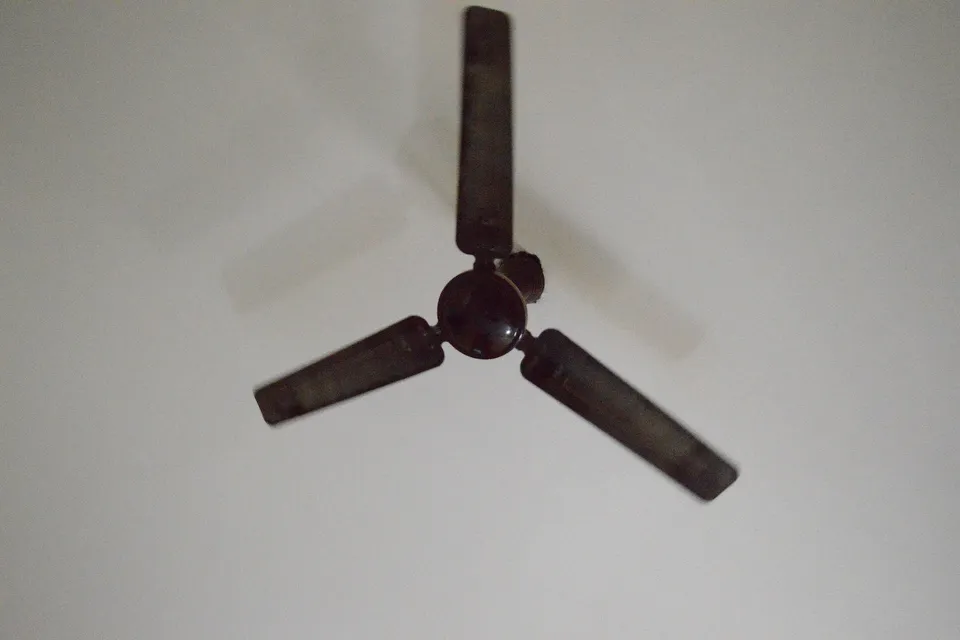
- Turn the fan off and let it stop completely.
- Use a pillowcase: slide it over each blade and pull back, so the dust stays inside.
- Vacuum the motor housing and blade tops with a handheld vacuum and brush nozzle, like DustaClean.
- Wipe blades with a damp microfiber cloth (mild soap for kitchen grease).
- Clean the light fixture and pull chains.
- Vacuum the floor and furniture below when you're done.
Ceiling fans collect a surprising amount of dust. The leading edges of the blades catch dust from the air as they spin, and the tops of the blades build a thick, gray layer you only notice when you look up from the right angle. When the fan turns on, some of that dust gets thrown back into the room, which is bad news for allergies and for the furniture below. Cleaning a fan is quick once you know the trick to keep dust from raining down. This guide explains how to clean ceiling fans safely, which tools work best, how to handle greasy kitchen fans and how often to clean.
Why do ceiling fans get so dusty?
- Blades slice through the air and catch airborne dust on their leading edges.
- Static helps dust cling to the blades.
- The tops of blades are out of sight, so dust builds up for months.
- In kitchens, grease in the air makes dust sticky.
How do you clean a ceiling fan safely?
- Turn off the fan and the light and let the blades stop completely.
- Use a sturdy step ladder, not a chair. Keep three points of contact.
- Don't lean too far; move the ladder.
- Don't push hard on the blades; they can bend and make the fan wobble.
- For high ceilings, use an extendable fan duster instead of climbing high.
What is the pillowcase method?
Slide an old pillowcase over one blade, all the way to the motor. Press lightly on the top and bottom of the blade through the pillowcase and pull it back slowly. The dust collects inside the pillowcase instead of falling on you or the furniture. Repeat for each blade, then shake the pillowcase outside and wash it.
Why use a handheld vacuum?
A handheld vacuum picks up what the pillowcase misses: dust on the motor housing, the blade brackets, the light fixture and the downrod. It also cleans up the little bit that falls. DustaClean is a cordless handheld vacuum under 1 lb, with HEPA filtration, two nozzles, about 3,500 Pa of suction and up to 30 minutes per charge. Being light matters when you're on a ladder holding it overhead, and HEPA filtration helps keep fine dust from blowing back into the room. The EPA explains how HEPA filters capture fine particles. Read our DustaClean review.
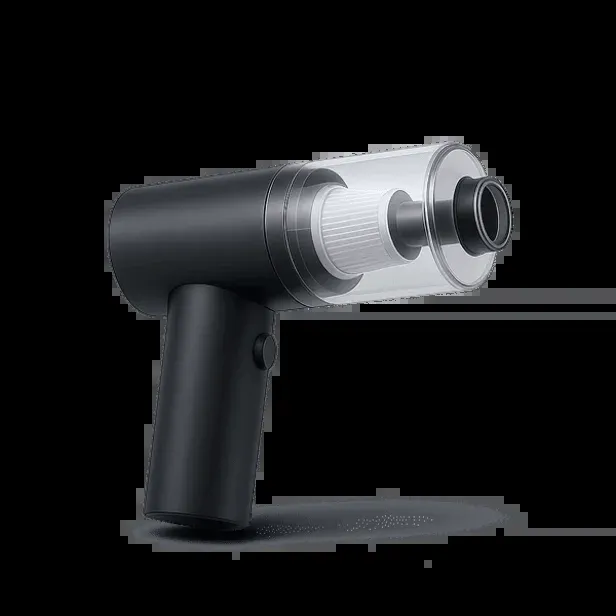
Light enough to hold overhead on a ladder
DustaClean handheld vacuum: cordless, USB-rechargeable, under 1 lb, with HEPA filtration, 2 nozzles and up to 30 minutes per charge. $69.99, or from $49.99 each in bundles.
Check today's price →$69.99, or from $49.99 each in bundles
What's the step-by-step method?
- Turn off the fan and light. Lay an old sheet or towel on furniture and the floor below.
- Set up the ladder so you can reach the center of the fan.
- Use the pillowcase on each blade.
- Vacuum the motor housing, brackets and downrod with a brush nozzle.
- Wipe each blade, top and bottom, with a damp microfiber cloth. Support the blade with your other hand.
- Dry the blades with a clean cloth.
- Remove and wash glass light shades in warm soapy water. Dry them before reinstalling.
- Wipe the pull chains.
- Fold up the sheet carefully and shake it outside.
- Vacuum the floor and furniture below.
How do you clean a greasy kitchen fan?
Kitchen fans collect sticky grease and dust. Mix warm water with a few drops of dish soap, dampen a cloth (not dripping) and wipe the blades. For stubborn grease, a degreaser made for kitchens can help; test on a small area first, since some blades have finishes that can be damaged. Wipe with a clean, damp cloth and dry. Clean kitchen fans more often, about monthly.
Can you use water on wooden blades?
Many fan blades are made of MDF or wood veneer, which can swell or warp if they get wet. Use a cloth that's barely damp and dry immediately. Avoid soaking or spraying directly on the blades. Check the manufacturer's care instructions.
How do you clean a high ceiling fan?
For vaulted ceilings, use an extendable fan duster with a curved head that fits over the blade. Some extension poles accept a microfiber sleeve. If you need a tall ladder, have someone hold it. For very high fans, consider hiring a professional once or twice a year.
Does a dirty fan spread dust?
Yes. A fan with dusty blades throws some of that dust back into the room when it spins. For people with dust allergies, cleaning fans regularly is part of reducing dust in the home. The ACAAI recommends reducing dust for people with dust allergies. See how to reduce dust in the house and dust allergy cleaning tips.
In what order should you dust a room?
Always clean from top to bottom: ceiling fans and light fixtures first, then shelves and furniture, then baseboards and floors. Dust that falls gets picked up in the last step. See how to clean baseboards and how to clean blinds.
What if the fan wobbles after cleaning?
Pushing on the blades can loosen screws or bend brackets. Turn off the fan, tighten the blade screws and the mounting screws, and check that each blade is the same distance from the ceiling. A balancing kit can fix a fan that keeps wobbling.
Should you change the fan direction?
Many ceiling fans have a switch on the motor housing that reverses direction. In summer, run the blades counterclockwise (looking up) to push air down for a cooling breeze. In winter, run them clockwise at low speed to gently push warm air down from the ceiling. Clean the fan when you switch directions; it's an easy reminder.
How often should you clean a ceiling fan?
| Fan location | How often |
|---|---|
| Bedroom and living room | Every 1 to 2 months |
| Kitchen | Monthly |
| Outdoor porch | Monthly in season |
| Homes with allergies or pets | Every 2 to 4 weeks |
How do you clean outdoor porch fans?
Porch fans collect pollen, cobwebs and insects. Turn off the fan, vacuum or brush off cobwebs, wipe blades with a damp cloth and dry. Check for wasp nests before cleaning in summer.
What about air vents and other high spots?
While the ladder is out, vacuum air vents, the tops of cabinets and door frames, curtain rods and light fixtures. See how to clean air vents.
How much does DustaClean cost?
DustaClean is $69.99 for one, $59.99 each for two, $54.99 each for three and $49.99 each for four. Returns are accepted within 30 days for unused products in original packaging.
What mistakes should you avoid?
- Dusting with the fan on: it flings dust everywhere and can hurt your hand.
- Using a feather duster: it moves dust around rather than capturing it.
- Spraying cleaner on the motor: liquid can damage electrical parts.
- Soaking wood or MDF blades: they can warp.
- Standing on a chair: use a proper step ladder.
- Cleaning the floor first: always clean the fan before vacuuming.
How do you keep fans clean longer?
After cleaning, a very light wipe with a cloth sprayed with a small amount of anti-static furniture polish or a dryer sheet can help dust slide off rather than cling. Test on one blade first, and don't use anything that makes the blades slippery to handle. Running the fan regularly also helps, since dust settles thickest on fans that sit still for long periods.
How do you clean the light kit?
Turn off the power and let the bulbs cool. Remove glass shades and wash them in warm soapy water; dead insects often collect inside. Dry completely. Wipe the bulbs with a dry cloth. Vacuum the light housing with a brush nozzle. Reinstall the shades carefully and tighten screws evenly so the glass doesn't crack.
Do pets make fans dustier?
Yes. Pet hair and dander float in the air and stick to fan blades. In homes with pets, clean fans every few weeks and vacuum floors and furniture often. See how to get rid of pet hair.
What else can a handheld vacuum clean while you're up there?
Crown molding, the tops of door frames, window valances, smoke detector covers and the tops of tall bookcases. A light vacuum makes these high spots part of a quick routine instead of a rare chore. See best handheld vacuum.
How long does it take?
A standard five-blade fan takes about 10 minutes with the pillowcase method and a quick vacuum. A greasy kitchen fan takes closer to 20 minutes, since each blade needs a soapy wipe and a dry. Doing all the fans in the house on the same day, ladder already out, is the fastest approach.
The bottom line
Turn off the fan, use a pillowcase to trap dust, vacuum the housing, wipe blades with a barely damp cloth and clean from top to bottom. Every 1 to 2 months is enough for most rooms.
For a light vacuum you can hold overhead, our pick is DustaClean. Check today's DustaClean price.
Sources
- American College of Allergy, Asthma and Immunology. Dust Allergies.
- U.S. Environmental Protection Agency. What is a HEPA filter?
- Official DustaClean product page, checked October 2026.
Frequently asked questions
How do I clean a ceiling fan without dust falling?
Slide a pillowcase over each blade and pull it back so the dust stays inside.
How often should I clean a ceiling fan?
Every 1 to 2 months; monthly in kitchens.
How do I clean a greasy kitchen fan?
Wipe with warm water and a little dish soap on a damp cloth, then dry.
Can I use water on wooden fan blades?
Use a barely damp cloth and dry right away; wood and MDF can warp.
How do I clean a high ceiling fan?
Use an extendable fan duster with a curved head.
Should I clean the fan before or after vacuuming?
Before; always clean from top to bottom.

Michelle Hert
Michelle looks into the cleaning products that go viral in ads, from toilet foams to mini vacuums and drain cleaners. She reads the product pages, checkout and return policies, trusted safety sources and buyer feedback so you know what a product really does before you buy it. Her reviews are built on manufacturer information, official checkout and return policies, trusted safety sources and buyer feedback, and are updated when offers change. More about Michelle.