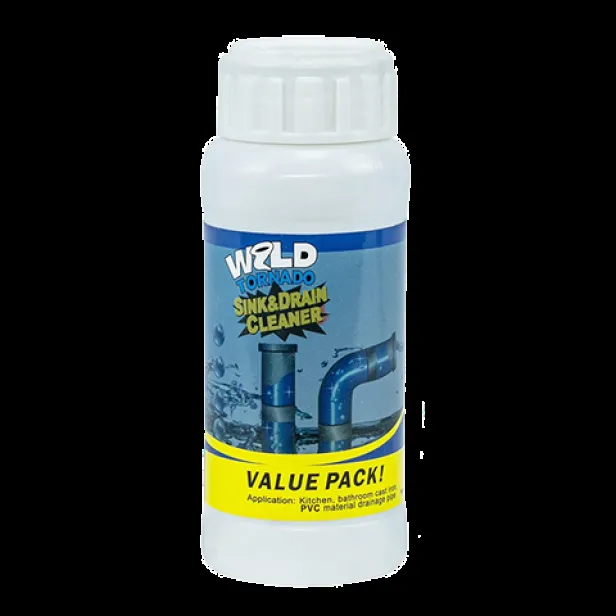
- Both best-known gels are caustic chemical drain cleaners that rely on lye (sodium hydroxide) and bleach, according to their labels.
- Both work in about the same way and the same time, roughly 15 minutes, or longer for tough clogs, per the label.
- Both come with the same warnings: they can burn skin and eyes, they're risky in standing water and they should never be mixed with other cleaners.
- The choice usually comes down to price and which bottle is on the shelf.
When a sink or shower starts draining slowly, most people grab whichever drain cleaner they recognize. In the US, that usually means Drano or Liquid-Plumr. They sit side by side on every store shelf, with similar promises and similar prices. So which one is better, and is a harsh chemical cleaner the right choice at all?
This guide compares:
- how they work
- when each one makes sense
- the safety warnings on both
- what they can do to pipes and septic systems
- when a non-corrosive cleaner, a drain snake or a plumber is the smarter move
Our pick: the SavingStars Drain Cleaner
Foaming drain cleaner powder for hair, grease and soap scum. Pour, add hot water, wait 20 minutes, flush.
Check today's price →$12.99, or from $6.99 each in bundles
How do Drano and Liquid-Plumr work?
The best-known gels from both brands are caustic cleaners. According to their labels, they rely mainly on:
- Sodium hydroxide (lye): a strong alkali that breaks down hair, grease and soap scum, and creates heat as it reacts.
- Sodium hypochlorite (bleach): it helps break down organic material.
The gel is heavier than water, so it sinks through standing water to reach the clog. You wait the time on the label, then flush with hot water. Both brands also sell other formulas, such as foams, products for kitchen sinks and "max" versions for tough clogs. Always read the label of the exact product you're using.
How do Drano and Liquid-Plumr compare side by side?
| Drano (gel) | Liquid-Plumr (gel) | SavingStars (foaming powder) | |
|---|---|---|---|
| Type | Caustic gel | Caustic gel | Non-corrosive foaming powder (per the brand) |
| Main action | Lye and bleach | Lye and bleach | Foam that expands into the pipe |
| Wait time | About 15 min, longer for tough clogs (per label) | About 15 min, longer for tough clogs (per label) | 20 min |
| Skin and eye hazard | Corrosive | Corrosive | Follow label; much gentler |
| Old metal pipes | Use with caution | Use with caution | Safe for PVC and metal (per the brand) |
| Septic systems | Check the label | Check the label | Septic-safe (per the brand) |
| Good for monthly maintenance | Not ideal | Not ideal | Yes |
| Price | A few dollars per bottle | A few dollars per bottle | $12.99, or from $6.99 each in bundles |
In practice, Drano and Liquid-Plumr are close equivalents. Neither is clearly "stronger" for every clog, and results depend more on the clog than on the brand.
Which is better, Drano or Liquid-Plumr?
For most household clogs, there isn't a meaningful winner. Both gels work well on partial clogs made of hair, soap scum and grease near the drain. Both struggle with clogs caused by solid objects, tree roots or problems far down the main line. Pick the one you can find at the best price, follow the label exactly, and never use both in the same drain. If one product didn't work, adding a second chemical on top is dangerous, not more effective.
What are the safety risks of caustic drain cleaners?
This is where the real decision lies. Poison Control warns that many drain cleaners contain corrosive chemicals that can cause serious burns to skin and eyes, and severe injuries if swallowed. Key risks:
- Splashing when poured into standing water or a partially full sink.
- Toxic gases if mixed with other cleaners, especially acids or ammonia.
- A sink full of corrosive water if the clog doesn't clear, which you then can't plunge safely.
- Danger to children and pets if bottles are stored within reach.
Never mix drain cleaners with each other or with other products. Health Canada warns that mixing bleach with other cleaning products can release toxic gases.
Can Drano or Liquid-Plumr damage pipes?
Used occasionally on modern PVC pipes, as directed, they're generally considered acceptable by their makers. The concern is with:
- old, corroded metal pipes
- repeated use in the same drain
- clogs that don't clear, leaving the chemical sitting in the pipe
The heat from the reaction and long contact time can stress weak joints. If your home has older plumbing, a mechanical method or a non-corrosive cleaner is a safer first step. See is drain cleaner safe for pipes?
What about septic systems?
Septic tanks depend on bacteria to break down waste, and harsh chemicals can disrupt them. Check each product's label for septic guidance and use chemical cleaners sparingly. The EPA advises keeping harsh chemicals out of septic systems. For septic homes, mechanical removal and septic-safe products are the better routine choice. See drain cleaner for septic systems.
What's a gentler alternative for everyday clogs?
Most slow drains in bathrooms and kitchens are caused by a build-up of hair, soap scum, grease and food. These respond well to a non-corrosive approach:
- Pull out visible hair or debris with gloves or a plastic drain snake.
- Treat the rest with a foaming cleaner.
SavingStars is a foaming drain cleaner powder for hair, grease, soap scum and food buildup. Pour the powder into the drain, add about a liter (roughly 4 cups) of hot water, wait 20 minutes and flush. The foam expands into the pipe to reach buildup on the walls. According to the brand, it's non-corrosive and safe for PVC, metal pipes and septic systems, so it can also be used as monthly maintenance. It costs $12.99, or as little as $6.99 each in bundles. Read our SavingStars review.
A non-corrosive alternative for routine clogs
SavingStars foaming powder: pour, add hot water, wait 20 minutes, flush. $12.99, or from $6.99 each in bundles.
Check today's price →$12.99, or from $6.99 each in bundles
When should you use each option?
| Situation | Best first step |
|---|---|
| Slow shower or sink with hair | Drain snake, then a foaming non-corrosive cleaner |
| Kitchen sink slowing down from grease | Hot water and a foaming cleaner; avoid pouring grease down the drain |
| Monthly maintenance | A non-corrosive foaming cleaner |
| Standing water that won't move | Plunger or hand auger; avoid caustic chemicals in standing water |
| Several drains slow at once | Call a plumber; likely a main-line issue |
| Toilet clog | Plunger or toilet auger; see Drano alternatives for toilets |
If you do use Drano or Liquid-Plumr, how do you use it safely?
- Read the whole label first.
- Wear rubber gloves and eye protection.
- Make sure no other cleaner is in the drain.
- Ventilate the room.
- Pour slowly, without splashing, and keep your face away from the drain.
- Wait only as long as the label says, then flush with hot water.
- Don't plunge afterward. If the clog didn't clear, call a plumber and tell them what you used.
- Store the bottle locked away from children and pets.
What should you never do?
- Never mix Drano and Liquid-Plumr, or either one with vinegar, ammonia or other cleaners.
- Never use a plunger right after pouring a caustic cleaner.
- Never pour a caustic cleaner into a drain full of standing water if the label advises against it.
- Never use caustic cleaners in a toilet unless the label says it's suitable.
- Never store drain cleaner in an unlabeled container.
How do you prevent clogs so you need cleaners less?
- Use hair catchers in showers and tubs.
- Wipe grease from pans before washing them.
- Run hot water for a minute after showers and dishwashing.
- Clean sink stoppers weekly.
- Treat drains monthly with a non-corrosive foaming cleaner.
More habits in how to prevent clogged drains and the best drain cleaner for hair.
How do the costs compare over a year?
A bottle of Drano or Liquid-Plumr costs a few dollars and may treat a couple of clogs. A SavingStars treatment costs $6.99 to $12.99. Used monthly as maintenance, it helps prevent the bad clogs that send people reaching for harsh chemicals in the first place. Both are far cheaper than a plumber's visit. Preventing clogs is the cheapest option of all.
Do baking soda and vinegar work as well?
Not on real clogs. The fizz can loosen a little soap scum, but it doesn't break down hair and can't clear a solid blockage. It's fine as a gentle rinse, but never pour vinegar into a drain that has had bleach-based cleaners in it. See natural drain cleaners.
Which works better on kitchen sinks?
Kitchen clogs are mostly grease, food scraps and soap. Caustic gels can cut through grease, but if the clog is food packed in the trap, chemicals often just sit on top. Start by running very hot water, then use a foaming cleaner and, if needed, clean the P-trap under the sink by hand with a bucket underneath. Never pour caustic cleaner into a sink connected to a garbage disposal unless the label says it's suitable. And scrape grease into the trash, not the drain, to stop the clog from coming back.
Which works better on shower drains?
Shower clogs are almost always hair bound together with soap scum and conditioner. A chemical gel can dissolve some of it, but the fastest fix is mechanical: remove the strainer, pull out the hair with a plastic drain snake, then treat what's left in the pipe with a foaming cleaner. Add a hair catcher, and the same clog won't be back next month. See how to unclog a shower drain.
The bottom line
Drano and Liquid-Plumr are close equivalents: caustic gels based on lye and bleach, with similar wait times and the same serious safety warnings. Neither is clearly better, and they should never be mixed. For the everyday hair, soap-scum and grease clogs most homes deal with, a drain snake plus a non-corrosive foaming cleaner like SavingStars is a gentler, easier first choice that's also safe for monthly maintenance. Save harsh chemicals for occasional use, follow the label exactly, and call a plumber for clogs that won't budge.
Our pick: the SavingStars Drain Cleaner
Foaming drain cleaner powder for hair, grease and soap scum. Pour, add hot water, wait 20 minutes, flush.
Check today's price →$12.99, or from $6.99 each in bundles
Frequently asked questions
Is Drano or Liquid-Plumr better?
They're close equivalents: both best-known gels are caustic cleaners based on lye and bleach, with similar wait times.
Can you mix Drano and Liquid-Plumr?
No. Never mix drain cleaners with each other or with other products; it can cause dangerous reactions.
Are Drano and Liquid-Plumr safe for pipes?
Used occasionally as directed on modern PVC they're generally acceptable, but repeated use and old metal pipes call for caution.
Are they safe for septic systems?
Check each label and use them sparingly; mechanical methods and septic-safe products are better for routine use.
What is a gentler alternative to Drano?
A drain snake plus a non-corrosive foaming cleaner like SavingStars for hair, soap scum and grease.
Should you plunge after using Drano?
No. Plunging after a caustic cleaner can splash chemicals; call a plumber if it didn't clear.

Michelle Hert
Michelle looks into the cleaning products that go viral in ads, from toilet foams to mini vacuums and drain cleaners. She reads the product pages, checkout and return policies, trusted safety sources and buyer feedback so you know what a product really does before you buy it. Her reviews are built on manufacturer information, official checkout and return policies, trusted safety sources and buyer feedback, and are updated when offers change. More about Michelle.