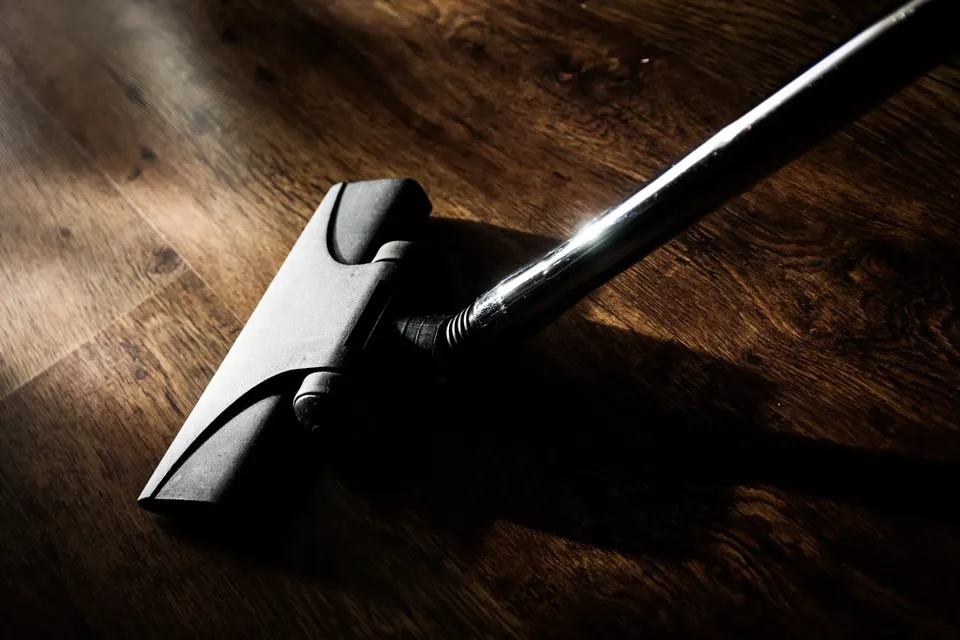
- Choose corded if you have a lot of wall-to-wall carpet and like one long weekly clean.
- Choose cordless if you have mostly hard floors, a smaller home or want quick daily pickups.
- Many people do best with both: a main vacuum plus a small cordless handheld for daily messes.
Choosing a vacuum used to be simple: you bought an upright or a canister with a cord. Today, cordless stick and handheld vacuums are everywhere, and the question most people ask is whether they're good enough to replace a corded vacuum, or whether you still need the cord.
The honest answer is that they're good at different things. This guide compares cordless and corded vacuums on power, runtime, weight, convenience, maintenance and cost, explains which homes suit each, and shows why many households end up using a combination.
How do cordless and corded vacuums compare?
| Factor | Corded | Cordless |
|---|---|---|
| Runtime | Unlimited | Limited by battery (often 15 to 60 minutes) |
| Deep carpet cleaning | Usually stronger and more consistent | Varies; full power drains the battery fast |
| Convenience | Unwind cord, find outlets, move plug | Grab and go |
| Weight | Often heavier | Lighter, easier on stairs |
| Stairs and car | Awkward | Easy |
| Dust capacity | Larger bins or bags | Smaller bins, emptied more often |
| Lifespan | Long; no battery to wear out | Battery capacity declines over the years |
| Storage | Needs closet space | Compact; handhelds fit in a drawer |
What are the advantages of a corded vacuum?
- Unlimited runtime: clean a whole house without stopping to recharge.
- Consistent power from start to finish.
- Deep carpet cleaning, especially uprights with motorized brush rolls.
- Bigger bins or bags, so less emptying.
- No battery to replace after a few years.
The downsides: they're heavier, the cord limits where you can go, you switch outlets in big rooms, and pulling one out for a small mess often feels like too much effort, so small messes wait.
What are the advantages of a cordless vacuum?
- Grab-and-go cleaning: crumbs under the table get vacuumed now, not on Saturday.
- No outlets or cords to trip over or wrap around furniture.
- Lighter weight, easier for stairs, high spots and anyone with back or shoulder issues.
- Goes anywhere: the car, the patio, the garage, the RV.
- Easy storage.
The trade-offs: limited runtime, smaller bins, and on thick carpet, a cordless may need more passes or a high-power mode that shortens the battery.
Which is better for your floors?
Mostly hard floors (wood, tile, vinyl, laminate): cordless is usually all you need. Dirt sits on top of the surface and comes up easily. Add a robot vacuum for daily maintenance and you may never need a corded vacuum.
Lots of wall-to-wall carpet, especially thick or high-pile: a corded upright or canister is still the strongest choice for weekly deep cleaning. A cordless handles quick pickups between those cleans.
Mixed floors: a combination works well, which is why many homes have both.
The EPA notes that reducing dust and allergens indoors supports better indoor air quality. Whatever you choose, how often you vacuum matters as much as the type. See how often you should vacuum.
Where does a cordless handheld fit in?
A cordless handheld isn't meant to replace your main vacuum for whole-house cleaning. It's the tool that handles everything in between: crumbs, pet hair on the couch, spilled cereal, the car, the stairs, the window tracks. Because it's always ready and weighs so little, it gets used, and that keeps the house cleaner day to day.

DustaClean is a cordless, USB-rechargeable handheld vacuum that weighs under 1 pound. It comes with a slim nozzle for seams and tight gaps and a brush nozzle for upholstery and carpet, uses a HEPA filter, and runs up to about 30 minutes per charge. The brand lists suction of about 3,500 Pa, plenty for crumbs, dust, sand and pet hair. It costs $69.99, or as little as $49.99 each in bundles. Read our DustaClean review (4.4/5) and our comparison of the best handheld vacuums.
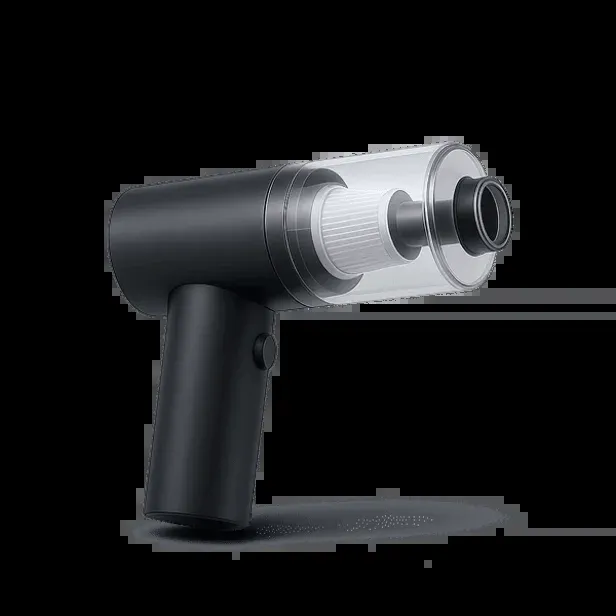
The cordless vacuum for everyday messes
DustaClean handheld vacuum: under 1 lb, USB rechargeable, HEPA filter, slim and brush nozzles, up to 30 minutes per charge. $69.99, or from $49.99 each in bundles, with a 30-day refund guarantee.
Check today's price →$69.99, or from $49.99 each in bundles
How long do cordless vacuum batteries last?
Runtime per charge depends on the model and the power setting, typically 15 to 60 minutes for stick vacuums and up to about 30 minutes for small handhelds. Over the years, lithium-ion batteries gradually hold less charge. To get the most from yours:
- Use the normal power mode for most jobs and save max mode for tough spots.
- Store and charge it at room temperature, not in a hot car or freezing garage.
- Keep filters clean, since a clogged filter makes the motor work harder.
- Recharge after use rather than leaving it fully drained for weeks.
Which is better for allergies?
Filtration matters more than the cord. Look for a sealed system with a HEPA filter, which the EPA explains is designed to capture very fine particles. Empty bins outdoors or into a bag to avoid a dust cloud, and clean or replace filters as the manufacturer recommends. A cordless with HEPA filtration also makes it easier to vacuum more often, which helps people with dust allergies. See how to reduce dust in the house.
How do the costs compare?
Basic corded vacuums are inexpensive and last for years. Premium cordless stick vacuums can cost several hundred dollars, plus a replacement battery after a few years. Small cordless handhelds are the most affordable cordless option and are often bought as a second vacuum. Think about the cost per use: a vacuum that's easy to grab daily may give you more value than an expensive machine that stays in the closet.
Who should choose which?
| Your situation | Best fit |
|---|---|
| Large home, lots of carpet | Corded upright or canister + cordless handheld |
| Apartment or small home, mostly hard floors | Cordless stick or handheld, maybe a robot |
| Pets | Main vacuum + handheld for furniture and stairs |
| Allergies | Any type with sealed HEPA filtration, used often |
| Back or mobility issues | Lightweight cordless |
| Multi-story home | A cordless handheld on each floor, or for the stairs |
Why do so many homes use both?
Because each type covers the other's weak spot. The corded vacuum handles the weekly deep clean of carpets and big rooms. The cordless handles the daily small stuff that otherwise piles up: the crumbs, the hair, the dirt by the door. Add a simple robot for hard floors and the house stays clean with very little effort. Our guide to robot vacuum vs regular vacuum explains how robots fit into the mix.
What about cordless stick vacuums?
Cordless stick vacuums sit between handhelds and full-size corded machines. They're tall enough to clean floors standing up, light enough to carry upstairs, and many convert into a handheld for furniture. For apartments and homes with mostly hard floors, a good stick vacuum can be the main vacuum. Their limits are battery life on large homes and power on thick carpet, especially if you rely on the max mode, which drains the battery much faster. If you're considering one, check the runtime in normal mode, not just max mode, the bin size and how easy the filter is to clean. Many people who own a stick vacuum still keep a small handheld in the kitchen or car, because even a stick vacuum takes a moment to set up for a quick spill.
How does maintenance differ?
Corded vacuums need bags or bin emptying, filter changes, belt replacement on many uprights and the occasional brush roll cleaning. Cordless vacuums need the bin emptied more often because it's smaller, the filter rinsed or tapped out regularly, hair cut off the brush, and good battery care. Neither is difficult. The most common mistake with both is letting the filter clog, which reduces suction and makes the motor work harder. Clean the filter on the schedule in the manual, let washable filters dry completely, and your vacuum will clean better and last longer.
Which is quieter?
Cordless vacuums are often quieter than full-size corded uprights, simply because their motors are smaller, though max modes can be loud. That matters if you have a baby napping, work from home, live in an apartment with thin walls or simply want to clean in the evening. A small handheld is usually the quietest option for quick pickups. If noise is a priority, look for a listed decibel rating and avoid running anything on max mode longer than you need.
What's best for older adults?
Weight and ease of use matter most. Heavy upright vacuums are hard to push, lift and carry, and cords are a trip hazard. A lightweight cordless stick or handheld is much easier to manage, especially on stairs. For floors, a simple robot vacuum can do most of the daily work without any effort at all. If you're helping an older parent set up their home, a handheld that weighs under a pound and charges by USB is one of the most practical gifts you can give.
The bottom line
Corded vacuums give unlimited runtime and the strongest deep carpet cleaning; cordless vacuums give convenience, light weight and the freedom to clean anywhere. Homes with mostly hard floors can go fully cordless, while carpet-heavy homes benefit from a corded main vacuum. For almost everyone, a small cordless handheld for daily messes is the upgrade that makes the biggest difference.
Our pick for everyday cordless cleaning is DustaClean. Check today's DustaClean price.
Sources
- U.S. Environmental Protection Agency. Introduction to Indoor Air Quality.
- U.S. Environmental Protection Agency. What Is a HEPA Filter?
- Official DustaClean product page, checked October 2026.
Frequently asked questions
Is a cordless vacuum as good as a corded one?
For hard floors and quick daily cleaning, often yes. For deep cleaning thick wall-to-wall carpet, corded vacuums usually have more consistent power and unlimited runtime.
What are the disadvantages of cordless vacuums?
Limited runtime per charge, smaller dust bins, batteries that lose capacity over the years and less power on thick carpet in normal mode.
Should I get a cordless or corded vacuum for carpet?
For lots of thick carpet, a corded upright or canister for weekly deep cleaning, plus a cordless handheld for quick pickups.
How long do cordless vacuum batteries last?
Runtime is typically 15 to 60 minutes per charge depending on model and power mode, and lithium-ion batteries slowly hold less charge over the years.
Do I need both a corded and cordless vacuum?
Many homes do best with both: a main vacuum for weekly deep cleaning and a light cordless handheld for daily messes, stairs and the car.
What is a good cordless handheld vacuum?
DustaClean is under 1 lb, USB rechargeable, has a HEPA filter and two nozzles and runs up to 30 minutes, from $49.99 each in bundles.

Michelle Hert
Michelle looks into the cleaning products that go viral in ads, from toilet foams to mini vacuums and drain cleaners. She reads the product pages, checkout and return policies, trusted safety sources and buyer feedback so you know what a product really does before you buy it. Her reviews are built on manufacturer information, official checkout and return policies, trusted safety sources and buyer feedback, and are updated when offers change. More about Michelle.