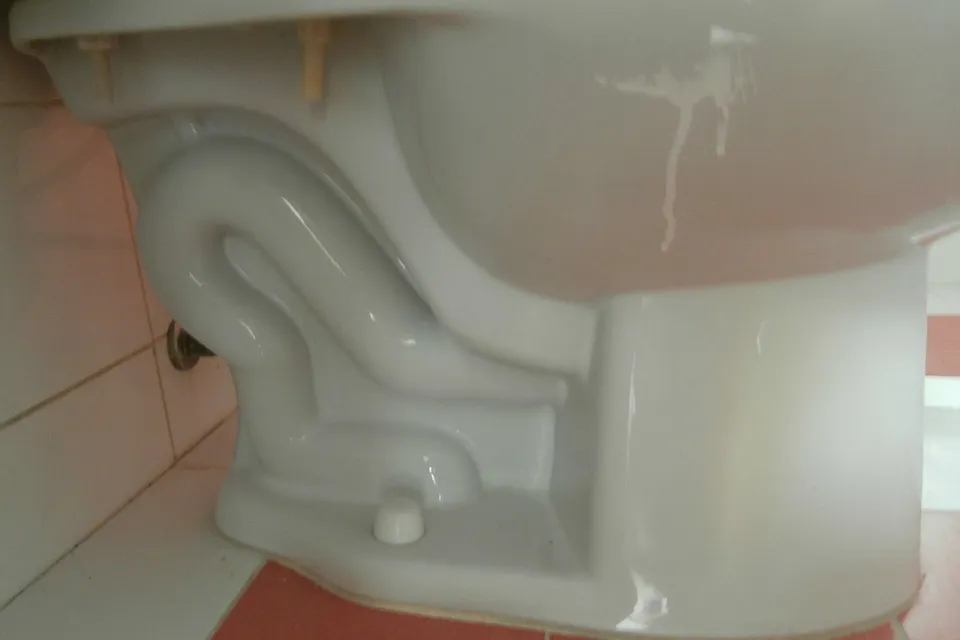
- Hard water minerals (calcium, magnesium) that build up at the waterline and under the rim.
- Iron or manganese in the water, common with well water, leaving orange-brown or rust stains.
- Waste residue that sits too long between cleanings.
Brown stains in the toilet bowl are embarrassing and stubborn, and they usually come back if you only scrub them off. The key is knowing what's causing them. Most brown stains are mineral deposits from hard water or iron in the water, and some are simply residue from too much time between cleanings. Each type needs a slightly different approach. This guide explains how to identify the cause, how to remove each kind of brown stain safely and how to keep them from coming back.
What causes brown stains in a toilet?
| Look | Likely cause | Best approach |
|---|---|---|
| Brown or gray ring at the waterline | Hard water minerals | Lower the water, soak, light brushing |
| Orange-brown streaks from the rim | Iron in the water | Iron or rust remover; clean rim jets |
| Dark brown or black spots | Manganese, mold or mildew | Regular cleaning; check water |
| Brown smears in the bowl | Waste residue | Weekly cleaning, brush after use |
| Brown at the bottom of the bowl | Mineral buildup at the trap | Lower the water and soak |
How do hard water stains turn brown?
Hard water carries dissolved calcium and magnesium. As water evaporates at the waterline, minerals stay behind and form a crust. Over time, the crust traps dirt and waste, turning gray, brown or even dark. The USGS explains what makes water hard and where it's common. See hard water stains in the toilet.
What about iron and well water?
Iron in water leaves orange or reddish-brown stains, often streaking down from the rim jets. It's common with private wells. If you see the same stains in sinks and tubs, your water likely has iron. A water test can confirm it, and a filter or softener can reduce stains throughout the house. See rust stains in the toilet.
How do you remove brown stains from a toilet?
- Lower the water level. Turn off the supply valve behind the toilet and flush. The bowl empties most of the way, so the cleaner sits directly on the stain.
- Apply one cleaner. Use a toilet cleaner suited to the stain. For mineral rings, white vinegar works on its own.
- Let it sit. Give it time, 20 minutes to a few hours for mineral rings.
- Brush lightly. Use a toilet brush; for hardened rings, a wet pumice stone on porcelain only.
- Turn the water back on and flush.
Does vinegar work on brown stains?
Vinegar is a mild acid that softens mineral deposits. Pour enough to cover the ring (after lowering the water), let it soak for several hours or overnight, then brush. It works best on hard water rings. Never combine vinegar with bleach; it can release toxic chlorine gas. Health Canada warns never to mix bleach with other cleaning products.
Is a pumice stone safe?
A wet pumice stone can remove hardened mineral rings from vitreous china (porcelain) toilets without scratching, if you keep both the stone and the surface wet and use light pressure. Don't use pumice on colored, plastic or coated surfaces. Test in a small spot first. It's an occasional deep-clean tool, not a weekly one.
How do you prevent brown stains?
Prevention is far easier than removal. Brown stains build slowly, so a weekly clean stops them before they harden. FizzClean is a foaming toilet powder: add 1 tablespoon, wait about 20 minutes and flush. The foam spreads around the bowl and under the rim where streaks start, with no scrubbing for routine cleans. It's bleach-free and septic-safe, per FizzClean. Use it on its own. Read our FizzClean review.

Stop brown rings before they set
FizzClean toilet cleaning foam: 1 tablespoon, wait 20 minutes, flush. Bleach-free and septic-safe, per FizzClean. From $15.29 per pack in bundles.
Check today's price →From $15.29 per pack in bundles
Why do brown streaks come from under the rim?
Water flows into the bowl through small rim jets. Minerals and iron build up in and around the jets, and every flush leaves a streak below them. Clean under the rim with a foaming cleaner or an angled brush, and clear clogged jets with a small wire or by soaking with vinegar. See how to clean under the toilet rim.
How do you clean brown stains at the bottom of the bowl?
Stains at the very bottom, near the drain hole, are hidden underwater. Lower the water as much as possible (you can sponge out the rest with gloves), apply cleaner, wait and brush. A long toilet brush with stiff bristles helps reach into the trap opening.
Could the tank be causing it?
Yes. Minerals, rust and sediment build up inside the tank and wash into the bowl with every flush. If stains return quickly, check the tank. See how to clean a toilet tank.
Why does a guest toilet stain more?
Toilets that aren't used often have standing water that evaporates and leaves mineral rings. Flush guest and basement toilets at least weekly, and clean them on your regular schedule.
What should you avoid?
- Mixing cleaners, especially bleach with acids or ammonia.
- Steel wool or metal brushes, which scratch porcelain and make stains worse.
- In-tank bleach tablets, which can wear rubber parts.
- Leaving harsh products in the bowl longer than the label says.
What about other stain colors?
Pink rings are usually bacteria, black spots can be mold or manganese and yellow stains may be urine. See pink ring in the toilet, black stains in the toilet bowl and toilet bowl ring.
What's a stain-prevention routine?
| When | Task |
|---|---|
| After use | Quick brush if needed |
| Weekly | Foaming clean, wipe outside |
| Monthly | Clean under the rim; check the tank |
| Every few months | Vinegar soak for hard water rings |
See toilet cleaning schedule and how to keep the toilet clean longer.
How much does FizzClean cost?
FizzClean is $25.59 each for two packs, $21.95 each for three, $18.95 each for four and $15.29 each for five, plus $8.50 shipping. Returns are accepted within 30 days for unused products in original packaging.
Should you test your water?
If brown or orange stains keep returning in the toilet, sinks and tub no matter how often you clean, test your water. Home test kits and local labs can check hardness, iron and manganese. If you're on a private well, testing is also a good idea for safety reasons beyond stains. Once you know what's in the water, you can choose the right fix: a water softener for hardness, an iron filter for iron, or simply a more frequent cleaning routine if levels are moderate.
Does a water softener stop brown stains?
A softener removes much of the calcium and magnesium that build into hard water rings, and many models also handle low levels of iron. Homes with softened water usually see fewer and lighter toilet rings. A softener isn't necessary for everyone, but in very hard water areas it reduces buildup on fixtures, shower glass and appliances too. Even with a softener, keep up the weekly clean, since waste residue and bacteria still leave marks.
Why do old toilets stain more?
Over years of cleaning, the glaze on older toilets can get worn and microscopically rough, especially if someone used abrasive powders or metal brushes. Rough surfaces give minerals and bacteria more places to grip, so stains form faster and come back sooner. Gentle methods help: foaming cleaners, soaking and soft brushes instead of abrasives. If an old toilet stains within days of cleaning and the glaze looks dull, replacing it may be the long-term answer.
How do you keep kids' and shared toilets stain-free?
Toilets used by many people need cleaning more often. Keep a toilet brush in every bathroom, teach kids to flush and close the lid, and do a quick foaming clean twice a week in the busiest bathroom. A simple routine that takes two minutes is easy to keep up with, and it stops brown rings before they start. See how to clean a toilet.
How long does it take to remove brown stains?
Light, recent stains often come off with one foaming clean or a short soak. Thick, months-old mineral rings may need an overnight vinegar soak followed by careful pumice work, and sometimes two rounds. After that first deep clean, a weekly routine takes only a couple of minutes of hands-on time and keeps the bowl looking new.
Which cleaner should you choose for brown stains?
Match the product to the cause. For routine prevention and light residue, a foaming toilet cleaner used weekly is the easiest choice. For hard water rings, white vinegar on its own softens minerals. For orange iron stains, a cleaner labeled for rust or iron removal works best. Whatever you choose, use one at a time, follow the label and flush well before switching products.
The bottom line
Brown toilet stains are usually hard water minerals, iron or residue left too long. Lower the water, apply one cleaner, let it sit and brush lightly; use vinegar on its own for mineral rings. A weekly clean keeps them from coming back.
For weekly stain prevention, our pick is FizzClean. Check today's FizzClean price.
Sources
- U.S. Geological Survey. Hardness of Water.
- Health Canada. Never mix bleach with other cleaning products.
- Official FizzClean product page, checked October 2026.
Frequently asked questions
What causes brown stains in a toilet?
Usually hard water minerals, iron in the water or residue left too long.
How do I remove brown stains from a toilet bowl?
Lower the water level, apply one cleaner, let it sit and brush lightly.
Does vinegar remove brown toilet stains?
It softens hard water rings; use it on its own, never with bleach.
Is a pumice stone safe on a toilet?
On wet porcelain with light pressure, yes; test a small spot first.
Why do brown streaks come from under the rim?
Minerals and iron build up in the rim jets and streak with every flush.
How do I prevent brown stains?
Clean weekly so minerals and residue never harden.

Michelle Hert
Michelle looks into the cleaning products that go viral in ads, from toilet foams to mini vacuums and drain cleaners. She reads the product pages, checkout and return policies, trusted safety sources and buyer feedback so you know what a product really does before you buy it. Her reviews are built on manufacturer information, official checkout and return policies, trusted safety sources and buyer feedback, and are updated when offers change. More about Michelle.